Art for Your Walls
Wall Art
Prints, canvases and framed art to transform any wall.
About Wall Art
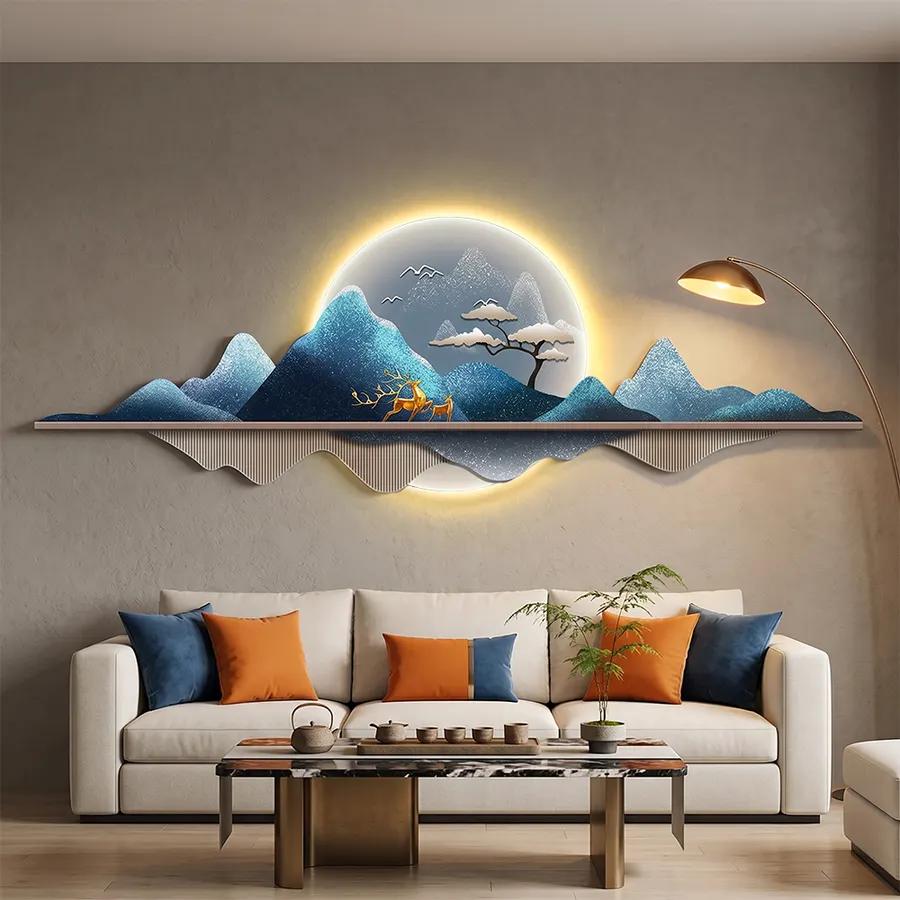
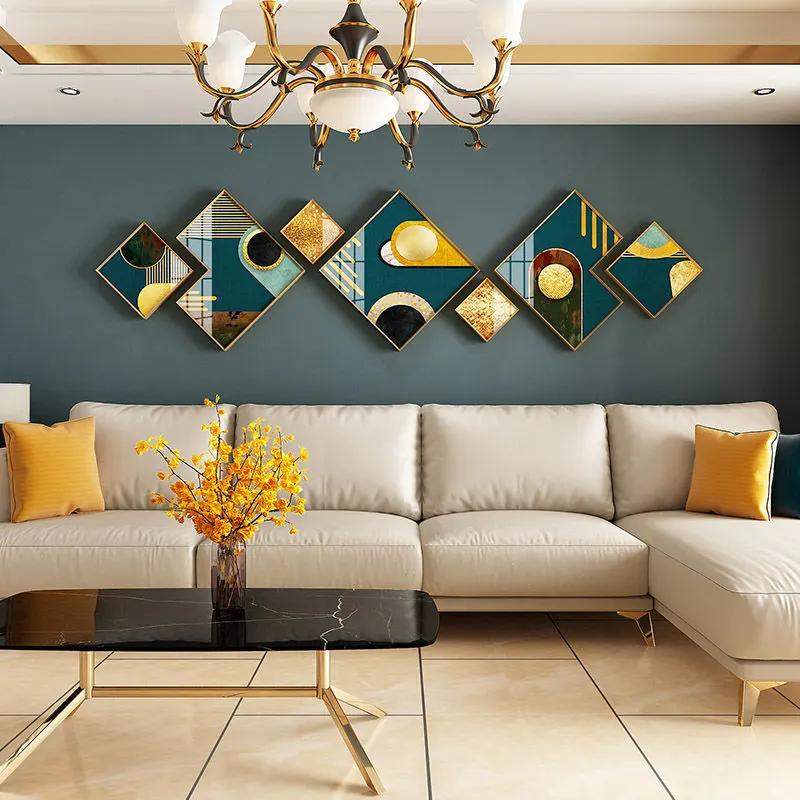
"Wall art" covers everything a wall can carry, and the useful distinction inside it is not subject or style — it is whether the thing is a print or a piece.
A print is an image. It is flat, it is light, it is cheap to post and cheap to change your mind about, and what it gives a room is colour and subject. A piece has physical presence: it is layered, moulded or relieved, it catches light from the side, and it throws a shadow that moves through the day. It costs more, it weighs more, and it commits the wall to it. Most rooms want one piece and several prints, not five of either.
Choosing between them for a particular wall
Look at the light first. A wall that gets raking light from a window in the afternoon does something remarkable to anything with relief in it and almost nothing for a flat print — the shadow is the artwork. A wall lit flat and evenly, or one in a corridor with no natural light, is the opposite: depth reads as clutter there, and a print with strong colour or contrast does far more work.
Then look at distance. Anything you pass within a metre of gets read as texture and detail, which rewards a piece. Anything seen from across a room gets read as shape and colour, which rewards a print at a decent size. The commonest mistake in a living room is a piece too small and too detailed for the distance it is actually viewed from.
Building a wall rather than filling it
One large work beats three small ones on almost any wall under three metres. If you do want a group, decide the outer rectangle first — the shape the whole arrangement makes — and hang to that, because the eye reads the group's silhouette long before it reads any single frame.
Hang the centre of the work at about 145 cm from the floor, not centred on the wall. That is roughly standing eye level, and it is why so much art in so many houses sits visibly too high: it was centred between the skirting and the ceiling instead of hung to a person.
Above furniture the rule changes. Leave 15–25 cm between the top of a sofa or console and the bottom of the work; more than that and the two stop reading as one composition.
Finishes, weight and getting it home
Framed and dimensional work is bulky rather than heavy, and a carrier charges on the size of the carton rather than what it weighs — so a large framed piece costs more to send than its weight suggests, and the figure is shown in your bag before you pay rather than settled afterwards. Unframed prints go in the flat national band, the same postage anywhere in Australia. Anything over a metre on its longest side cannot go through Australia Post at all: those are free pickup from us in North Kellyville, or we hand-deliver them across Greater Sydney ourselves.