Collection
Still Life Wall Art
Vases, goblets and blossoms — objects arranged and held
7 pieces in this collection
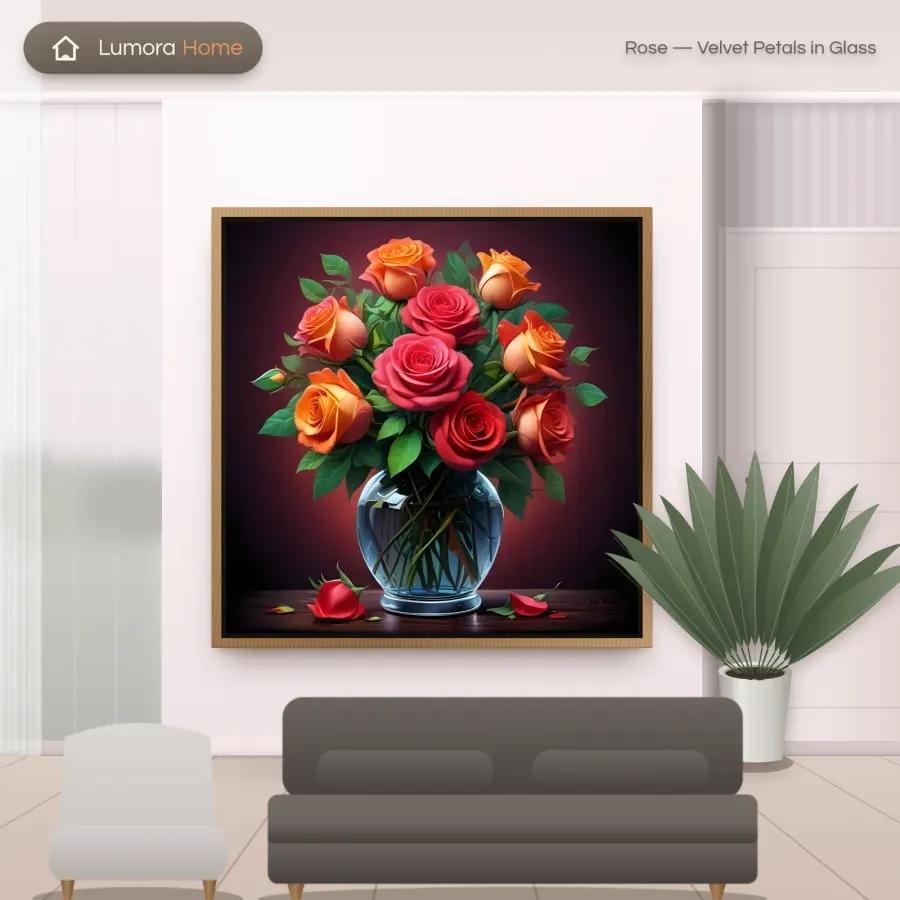

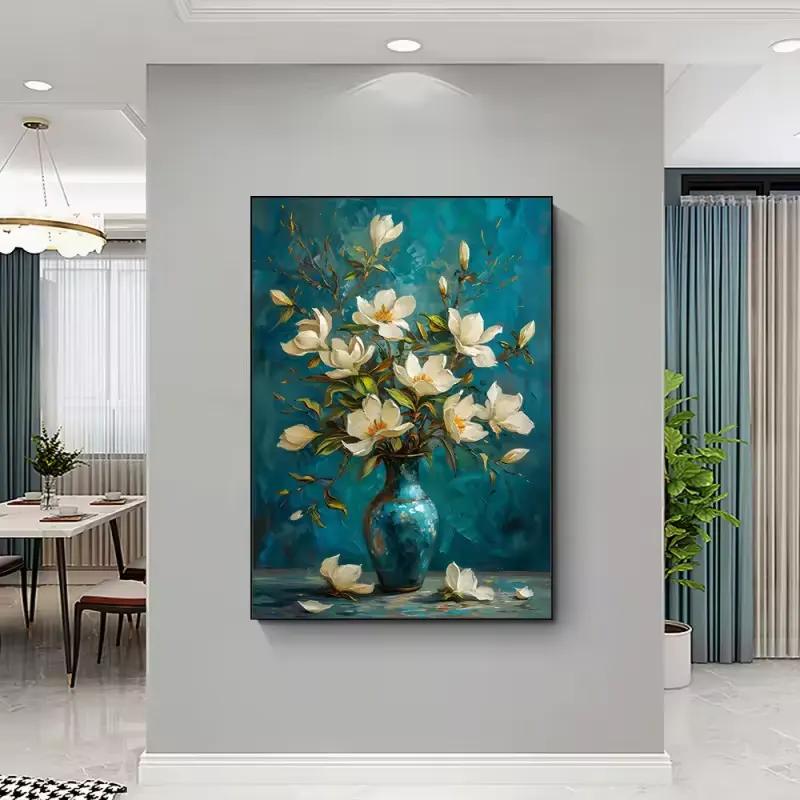
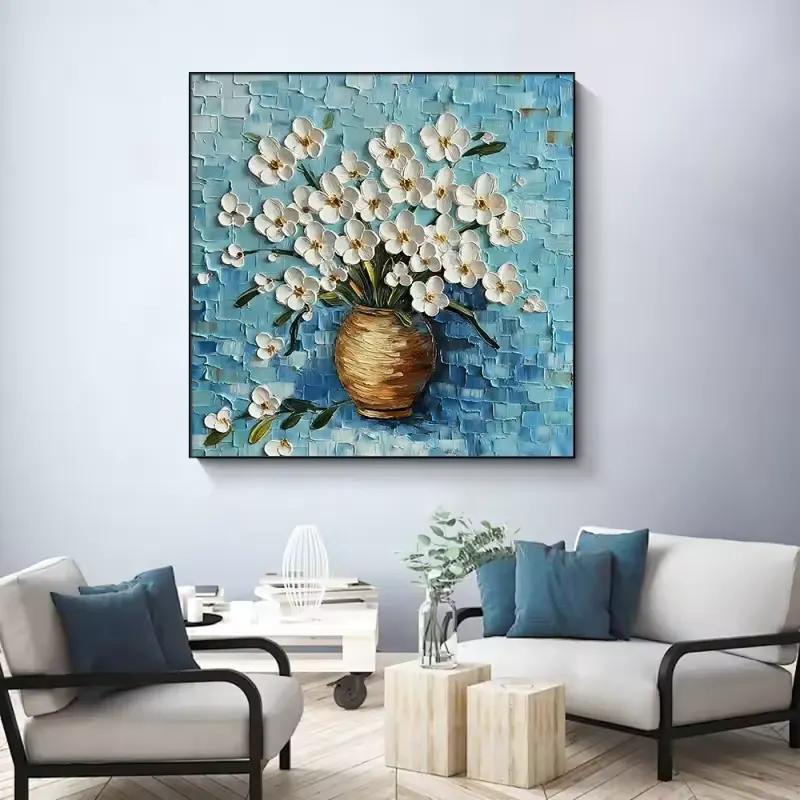


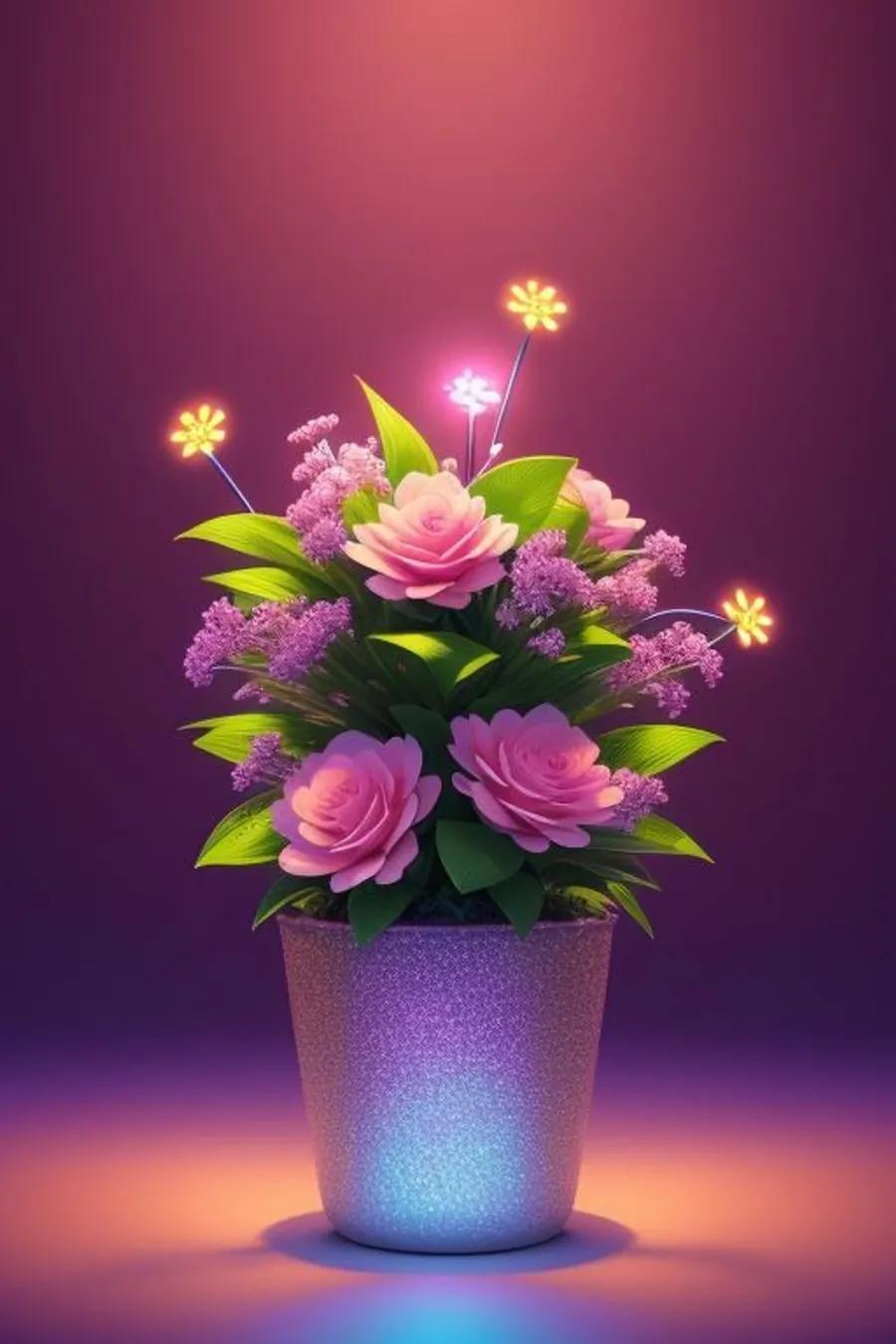
About Still Life Wall Art
Still life is the most domestic genre in art history and it has never really needed defending. The subject is a few objects on a surface — a vase, a glass, some cut flowers — and the interest is entirely in how they are arranged and how the light falls. Nothing is happening, which is precisely why it hangs so well in a room where you eat or sit.
Why it suits close viewing
A still life is composed for a viewer standing near it. The detail is in surface and edge — the translucency of glass, the matte of unglazed terracotta, the exact grey where a white petal turns away from the light — and none of that survives being seen from across a room.
That makes it the natural choice for a dining room, a kitchen, a hallway you pass slowly, or the wall beside a reading chair. It is a poor choice for a large feature wall, where a bolder subject would do more.
What is in this collection
Terracotta and ceramic vessels with white blossoms — the most classical arrangement here, warm and matte, and the one that pairs with natural materials in the room.
Lit glass: a goblet with something luminous in it, where the whole piece is about how light behaves inside a transparent object. These are more theatrical and read well in a dining room or a bar.
Arranged blooms in the still-life register rather than the botanical one — meaning the vessel is part of the subject, not just a stand for the flowers.
Placing them
Small to medium is correct here, and unusually so — this is one of the few subjects that does not benefit from going large. A set of two or three modest pieces along a wall does more than one big one.
Hang them at seated eye level if the room is one people sit in. A still life above a dining table should be readable while you are at the table, not while you are standing up to leave.
They sit naturally near the objects they depict: a ceramic vase piece above a shelf with actual ceramics on it is a very old trick and it still works.