Collection
Sculptural Wall Art
Lattices, medallions and bas-relief — pieces with real depth
8 pieces in this collection
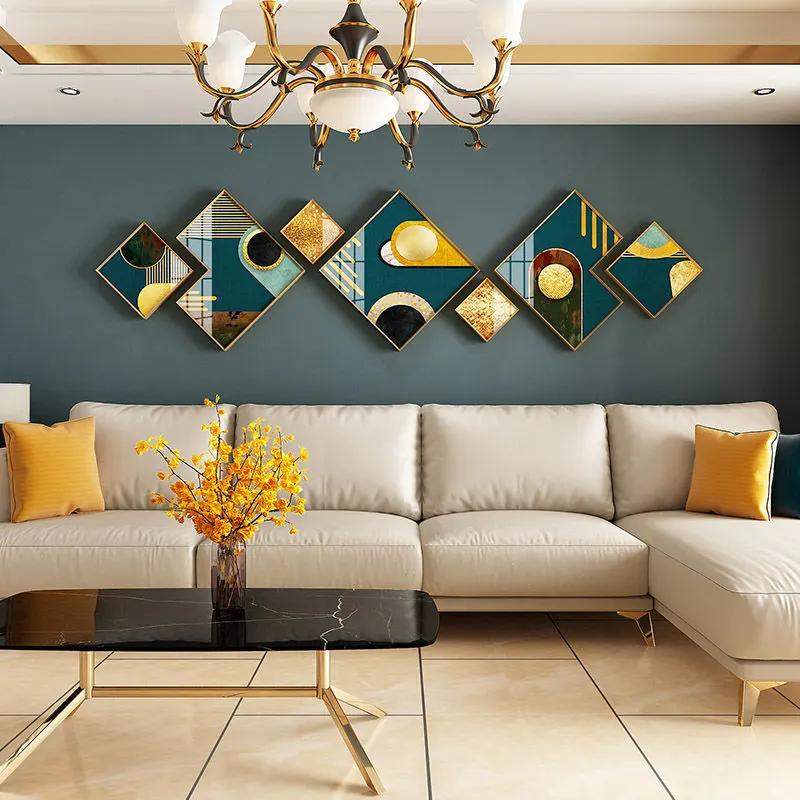
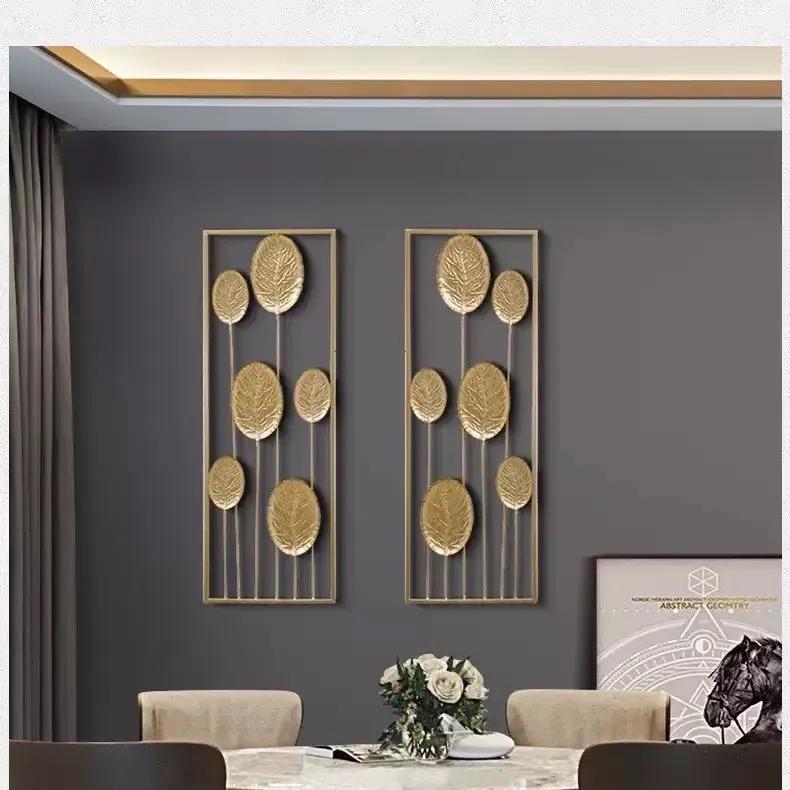
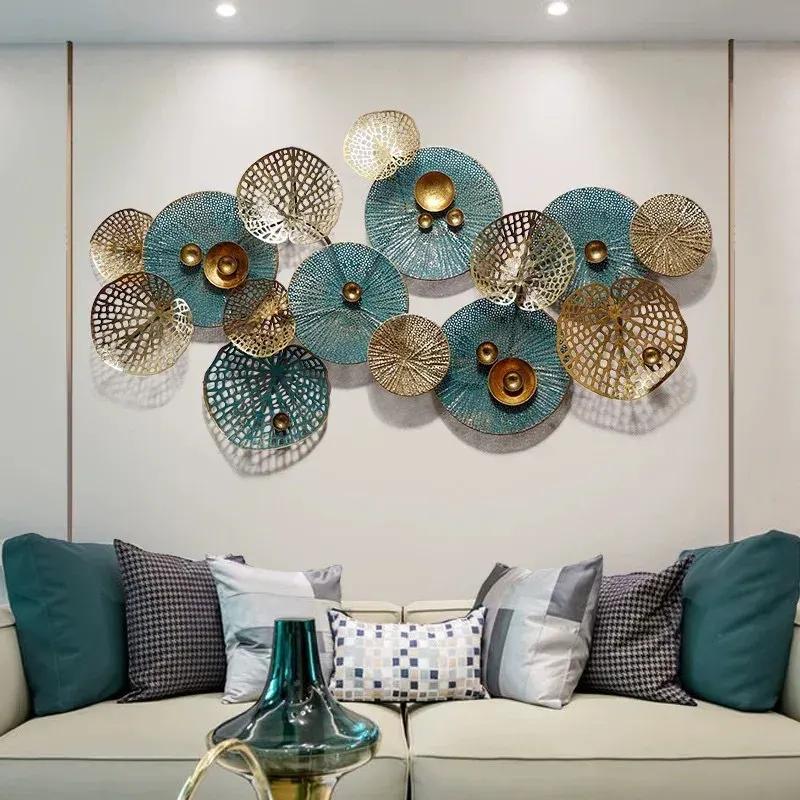
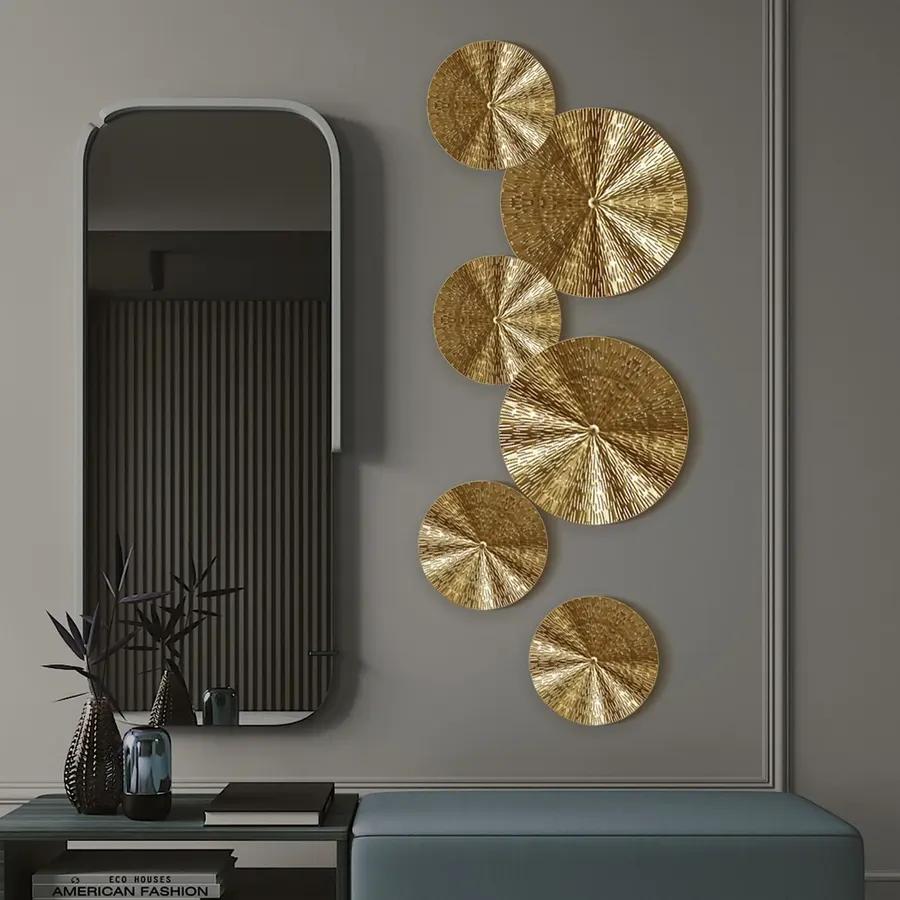
About Sculptural Wall Art
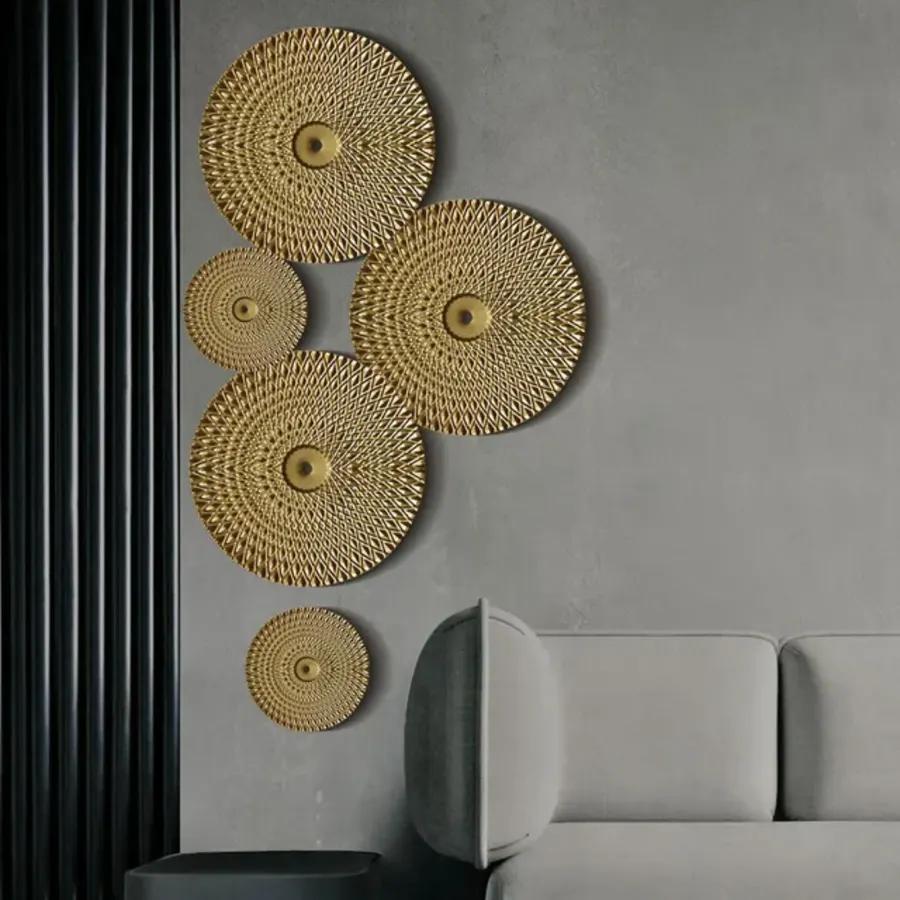
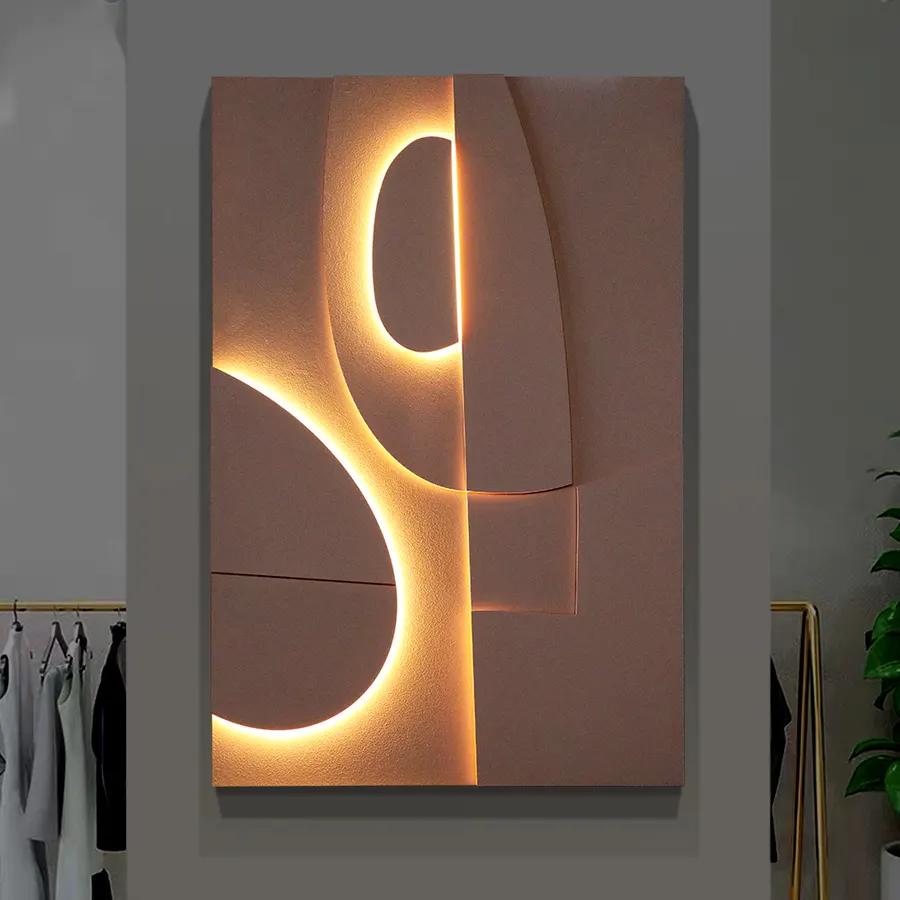
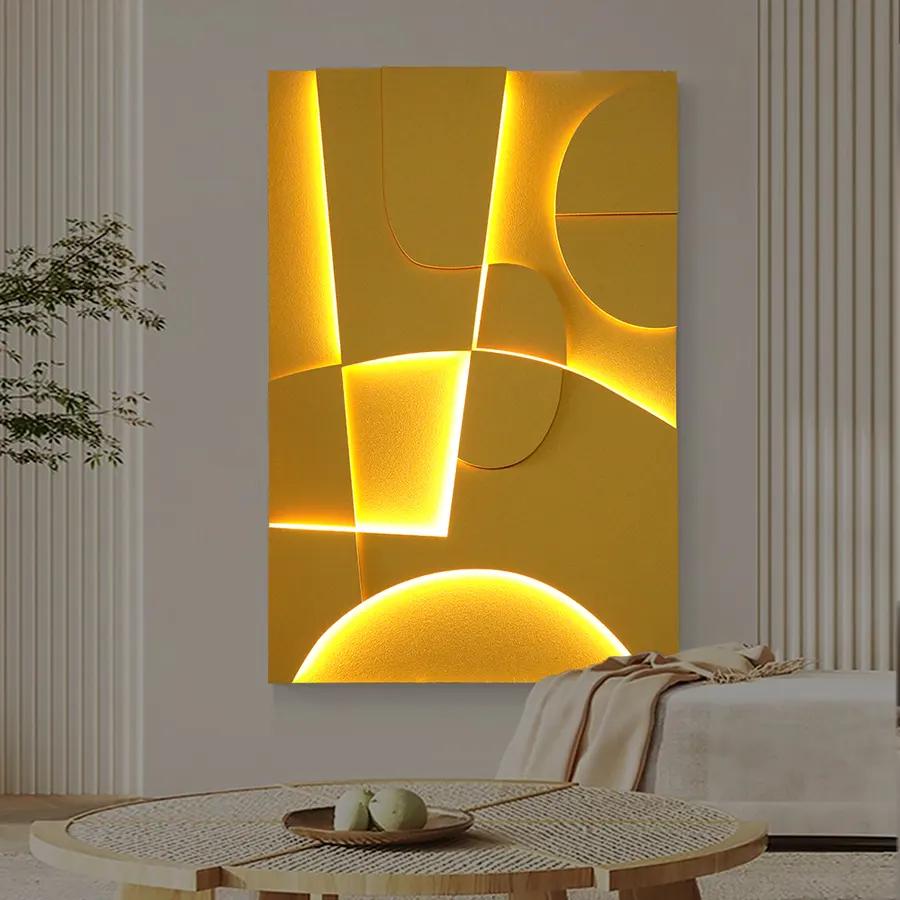
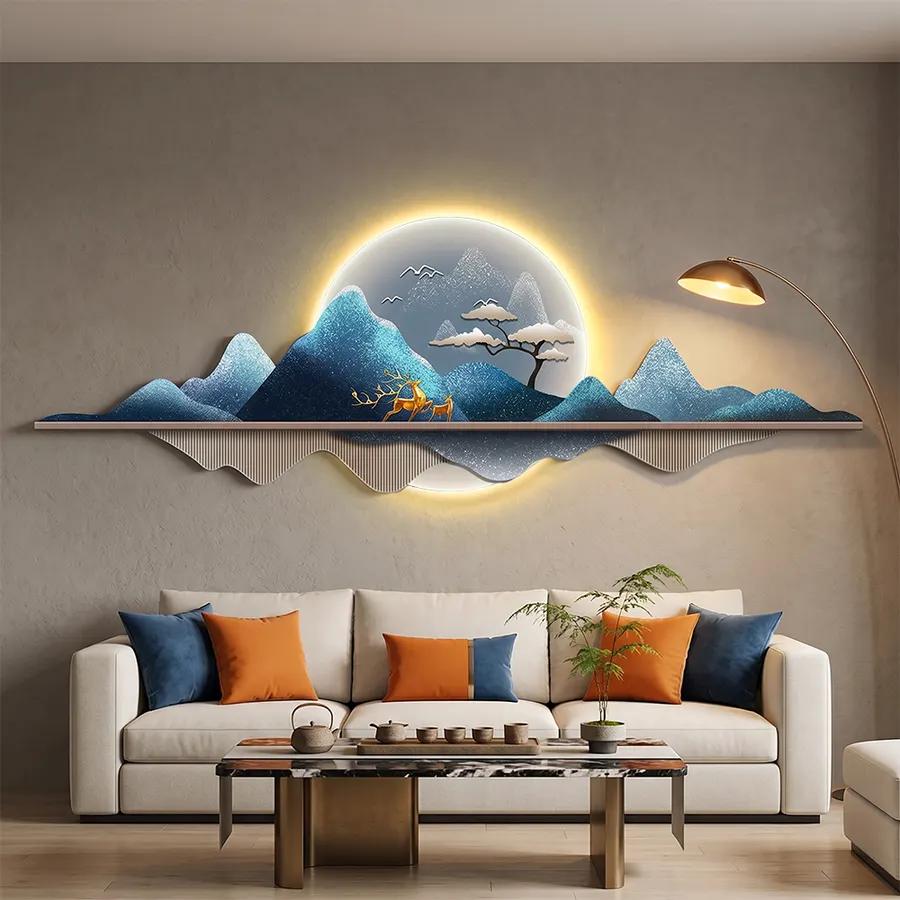
These are the pieces that do not sit flat. Layered lattice canopies, gilded medallions, terracotta bas-relief, ochre arcs cut in relief — work that reads differently at ten in the morning than it does under a lamp, because what you are actually looking at is shadow.
Why depth changes the room and a print cannot
A print is a fixed image: it looks the same at every hour and from every angle. A relief piece is a surface, and surfaces respond. Move past one and the shadows travel; turn on a side lamp and the whole thing gains a second outline. That is why a single sculptural piece often settles a wall that two or three prints could not — it is doing something the paint behind it cannot do.
It also means the lighting matters more than the artwork does. A relief lit flat-on, from directly in front, loses almost everything that makes it worth having. Light it from one side — a wall lamp, a window to the left or right, a picture light angled across rather than straight at it — and the depth arrives.
What these are made of, and what that does
The lattice and medallion pieces are open work: metal and composite forms with gaps you can see the wall through, which is why they suit a coloured or textured wall far better than a print does. The paint becomes part of the piece. The terracotta and bas-relief work is the opposite — solid, matte, and warm — and wants a plain pale wall to read against.
Placing them
Above a console, a sideboard or a bedhead is the natural home: somewhere the eye already stops, and somewhere nobody will brush past the raised edges. A pair of medallions flanking a mirror is a common and forgiving arrangement, since open work does not demand the precise alignment that framed prints do.
The one place to think twice about is a narrow hallway. Depth is the whole point of these pieces, and depth is exactly what a corridor makes you walk into.