Collection
Scenery Wall Art
Places to look into — bridges, cliffs, alpine lakes and dusk
21 pieces in this collection


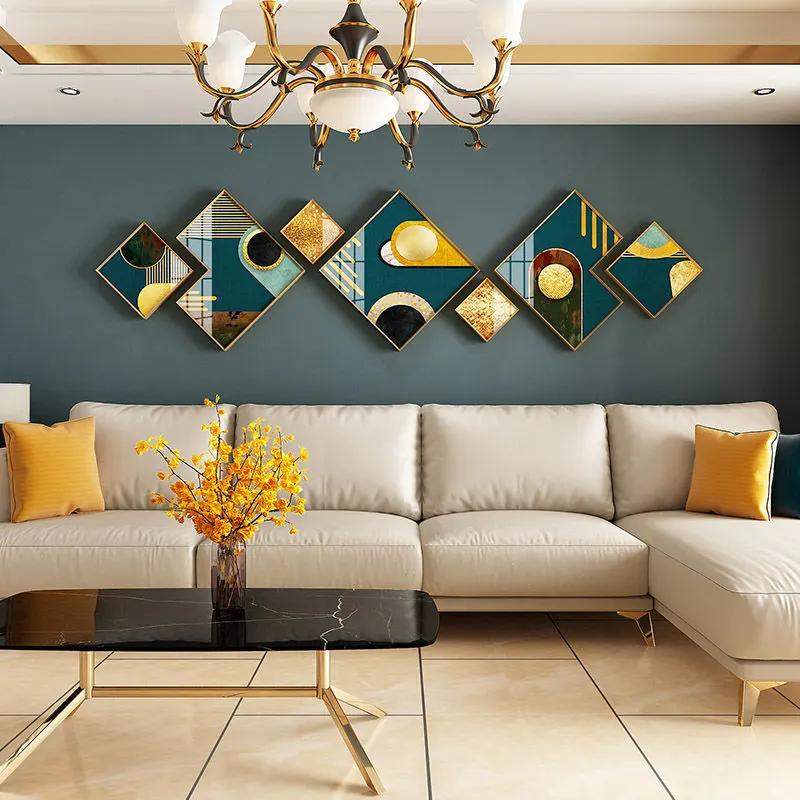

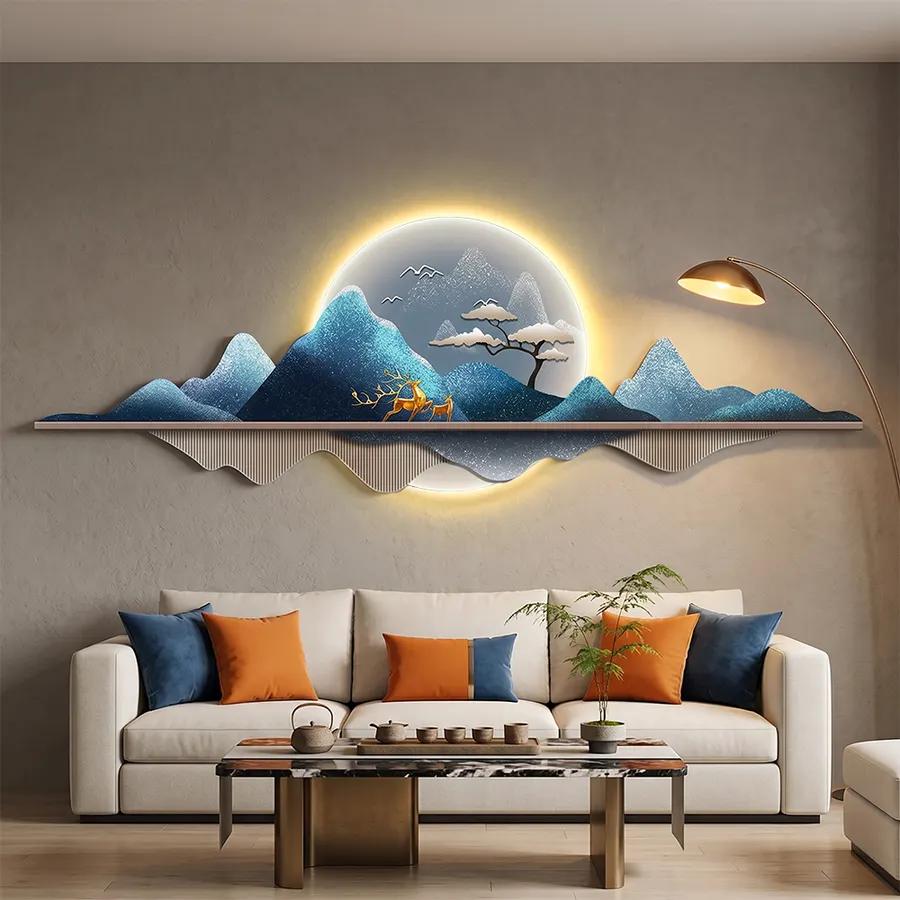
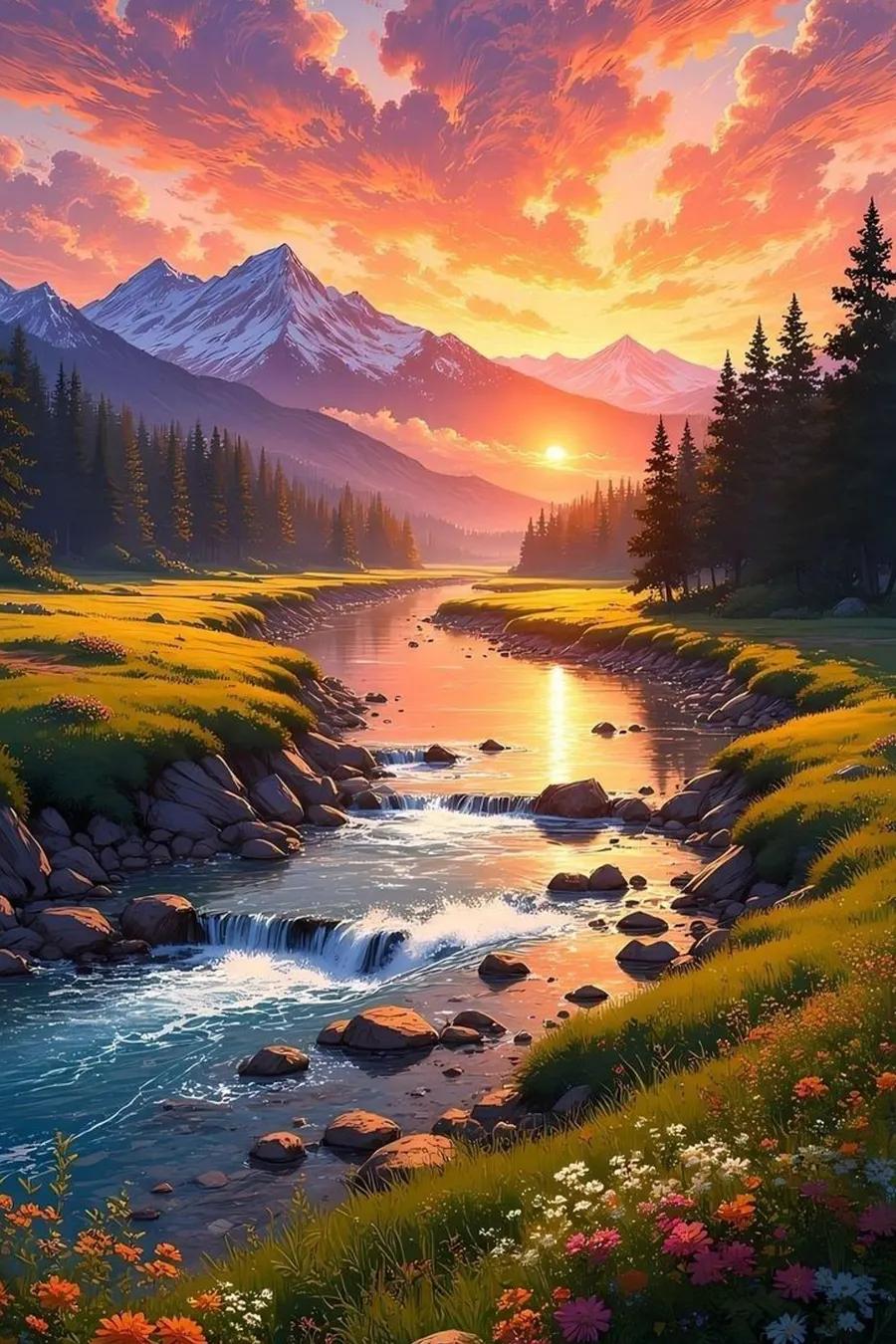
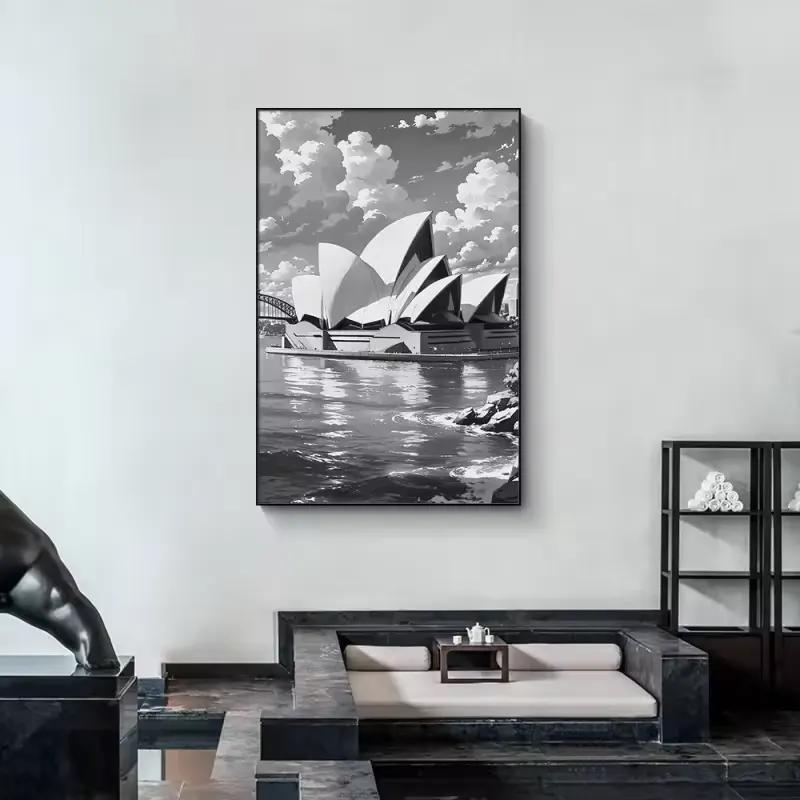
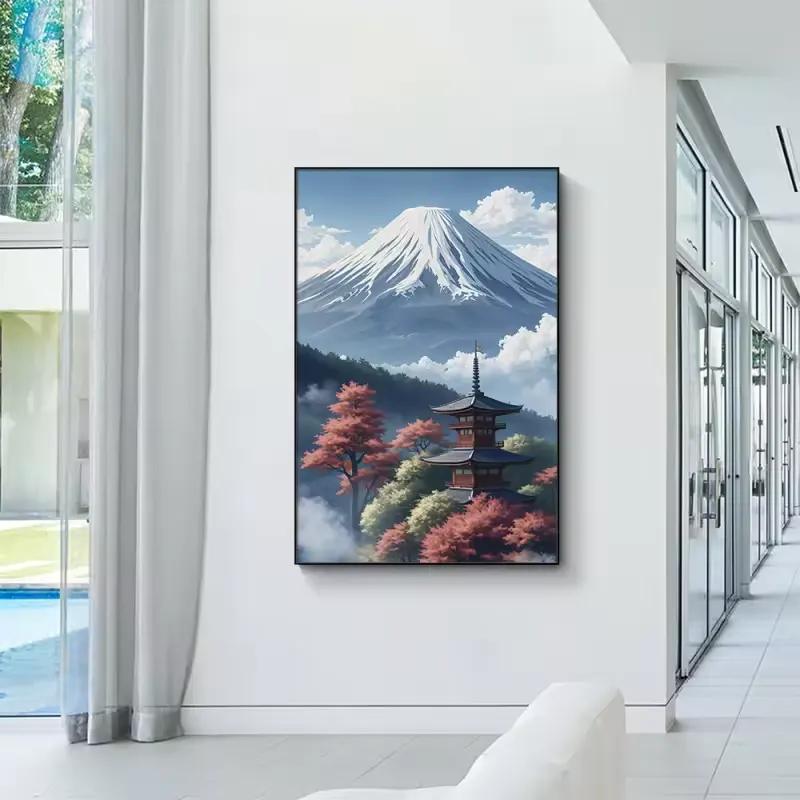
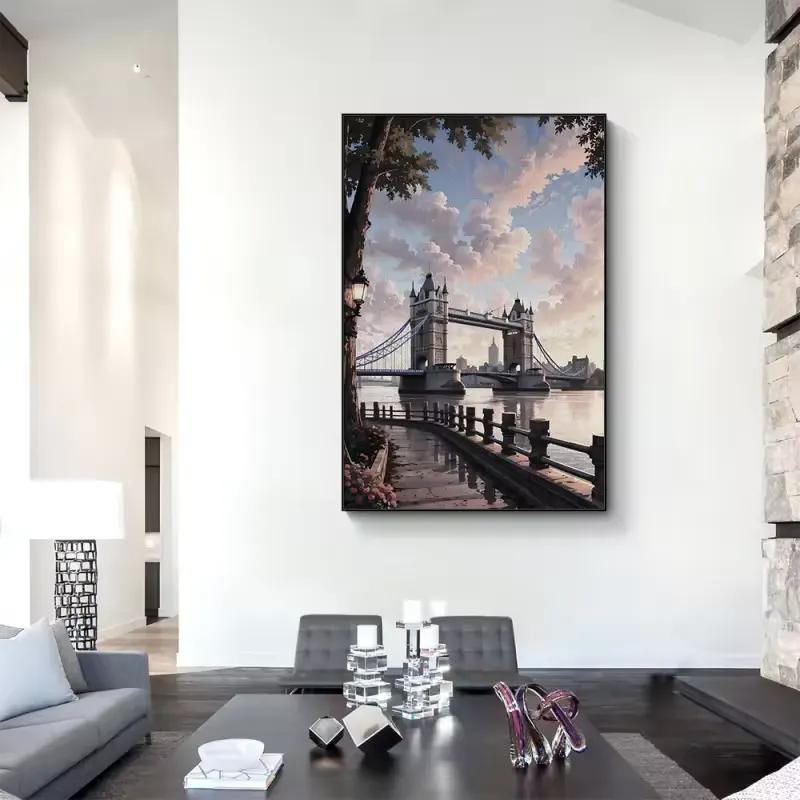
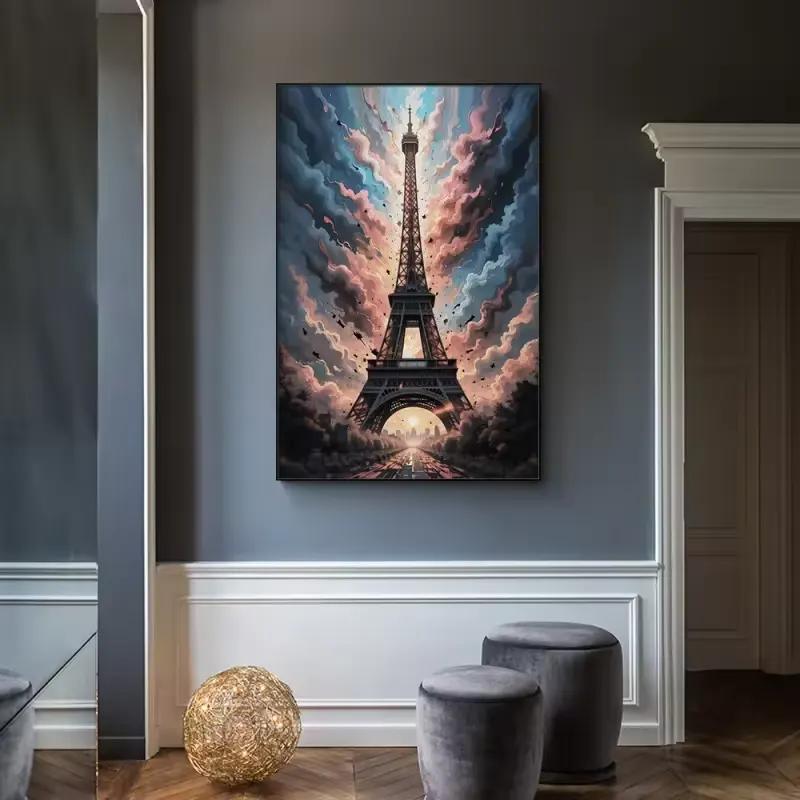
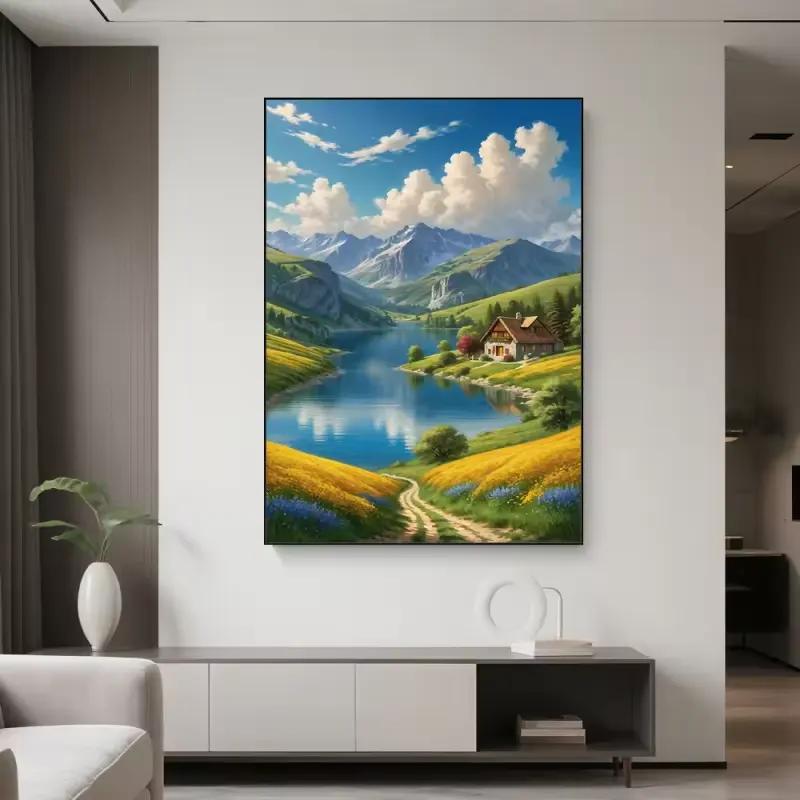
About Scenery Wall Art
A landscape works like a window, and that is not a metaphor about mood — it is a practical fact that determines where one should hang. A window gives a room somewhere to look past itself, which is why scenery does its best work in spaces that have no view of their own: internal hallways, basements, small bedrooms, any wall that faces a fence.
What a landscape needs from the wall
Width, mostly. Almost every landscape is composed horizontally, because the horizon is horizontal, and a wide piece on a wide wall looks like a view while a small one looks like a postcard of a view. If the only available wall is narrow, choose a different subject rather than a cropped landscape.
It also needs a viewing distance. Landscapes are built to be read from across a room — the detail is in the middle distance, not at the surface — so they suit the wall you see when you come in rather than the wall you sit beside.
The kinds here
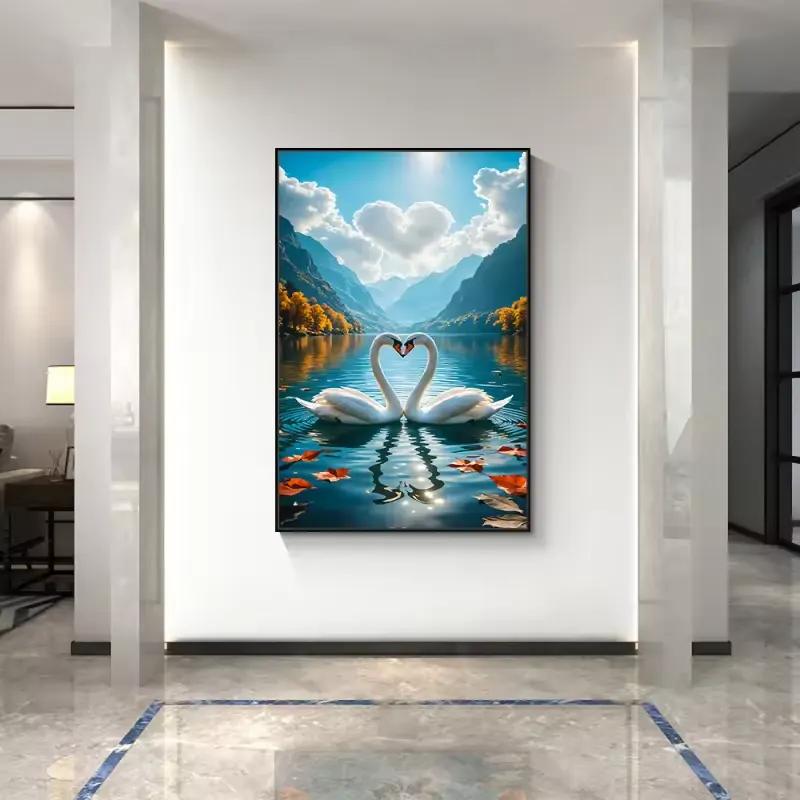
Alpine and mountain scenes with a building in them — a cottage on a lake — are the most domestic and the warmest. Somebody lives there, and that changes how the picture feels.
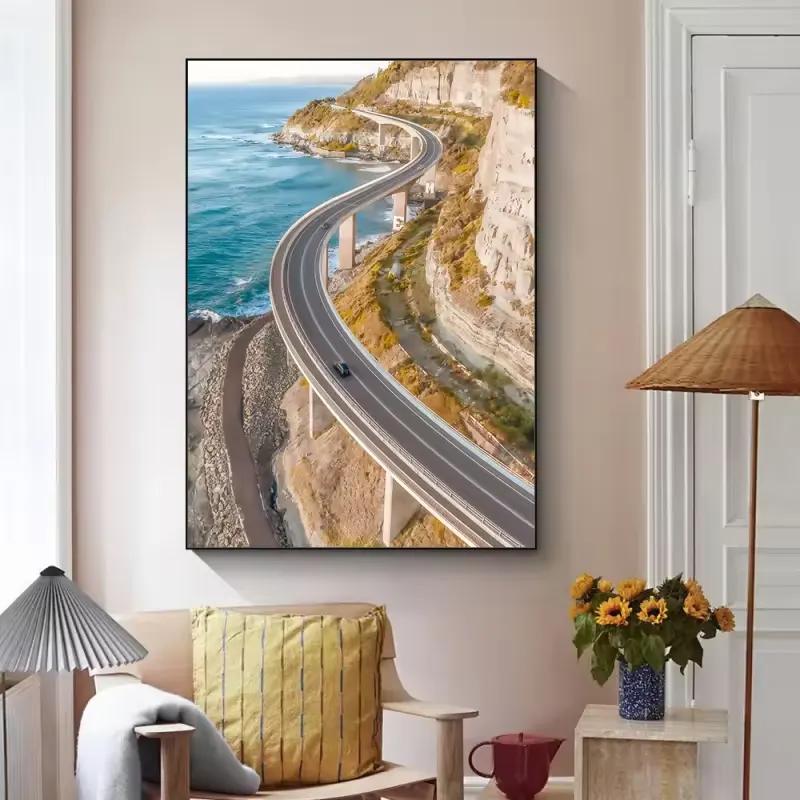
Coastal drives and clifftop bridges are the widest compositions in the collection and the most suitable for above a sofa. The Sea Cliff Bridge is an Australian subject that people recognise, which gives it a second life as a place-memory piece rather than only a landscape.
City and landmark scenes behave differently again: a bridge at dawn or a tower at sunset is a landscape organised around one built object, so it can be hung narrower than a pure vista.
Light and palette
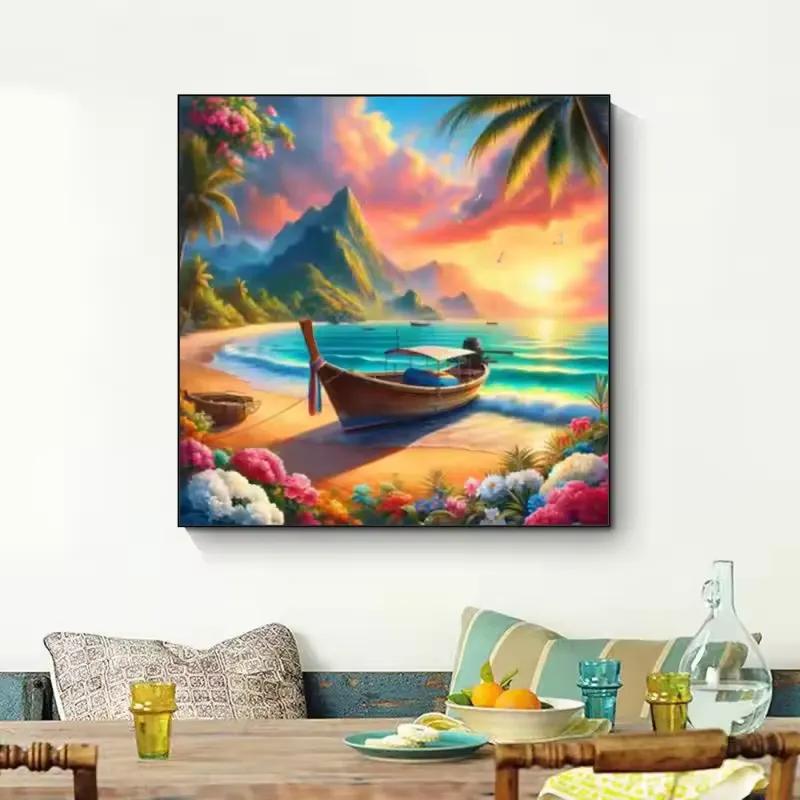
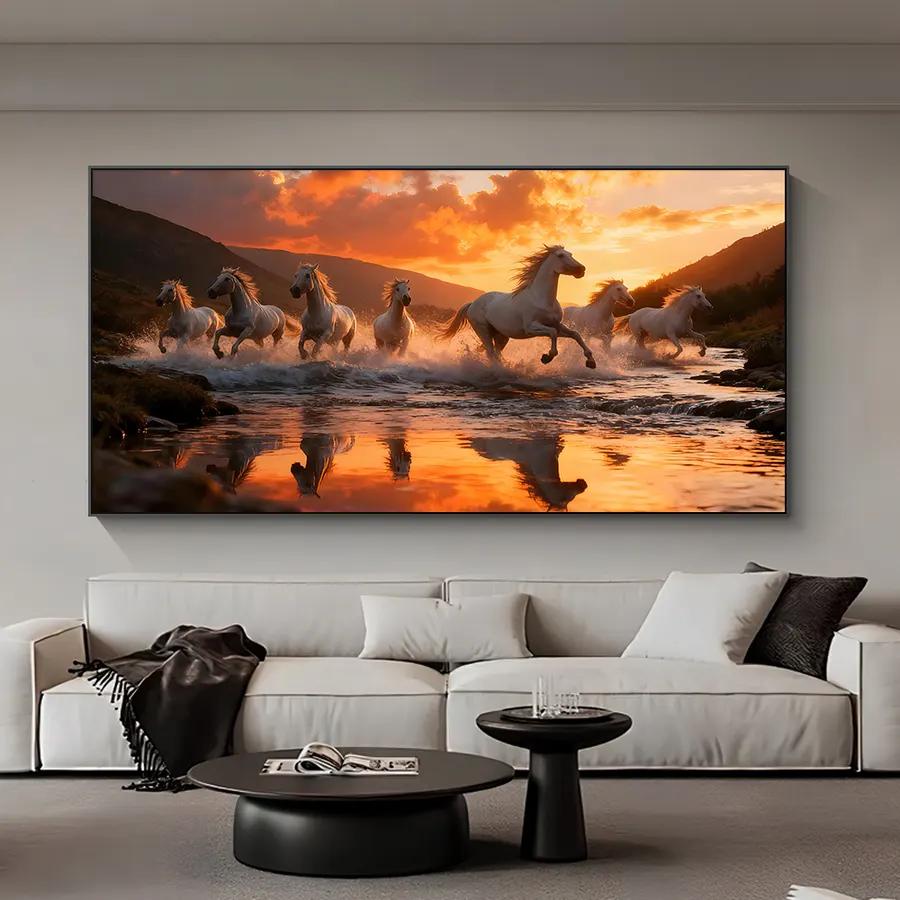
Most of these are dusk or dawn pieces — long light, warm sky, cool shadow — which means they look best on a wall that does not get harsh direct sun. Strong daylight flattens exactly the tonal range they depend on.
They pair well with each other and badly with figurative work: two landscapes side by side read as two windows, which is fine, but a landscape beside a portrait reads as two unrelated ideas.