Collection
Religious Wall Art
Devotional art across traditions — Hindu, Buddhist, Christian and Islamic
82 pieces in this collection





About Religious Wall Art
Devotional art is the oldest reason people put anything on a wall, and it is still the category where the picture is expected to do something rather than merely look like something. That expectation shapes every practical decision about it — where it hangs, what height, what light, and whether the room around it has to change to accommodate it.
Four traditions, four different demands
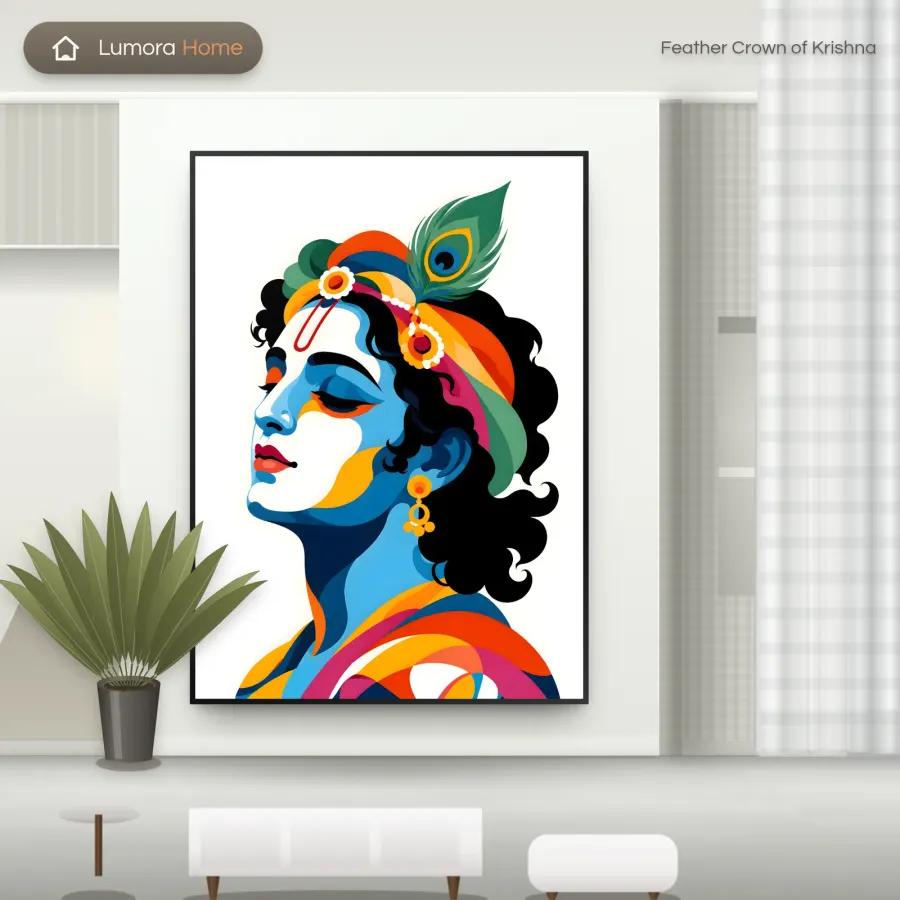
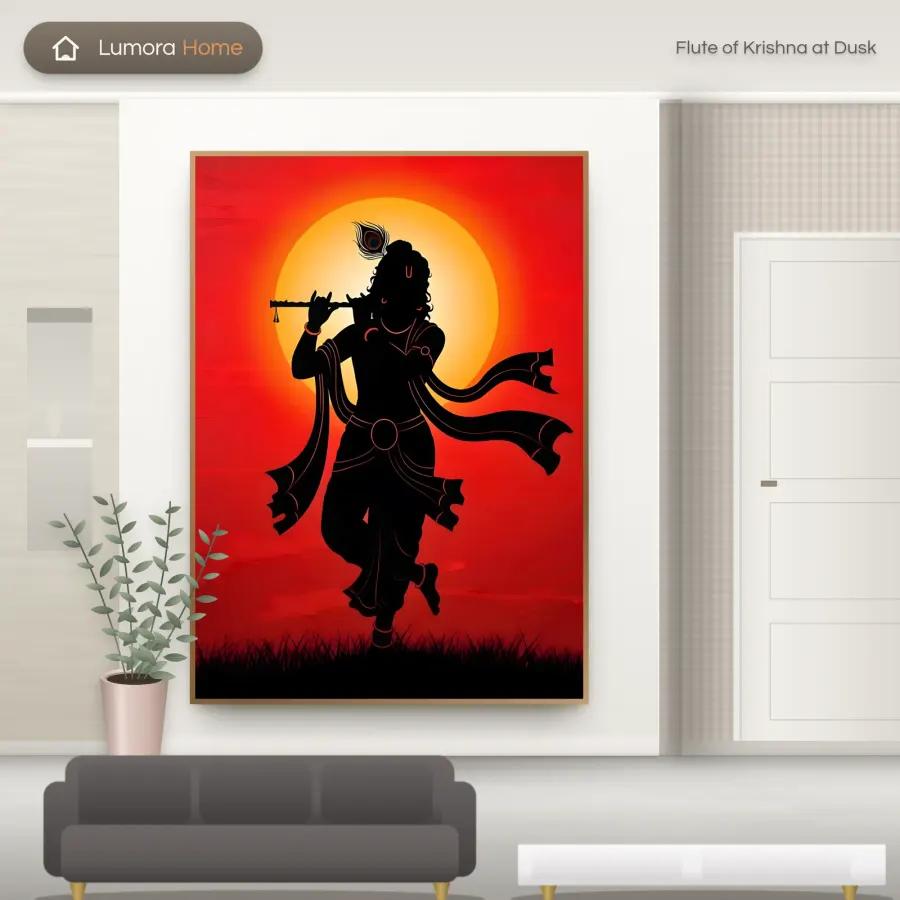
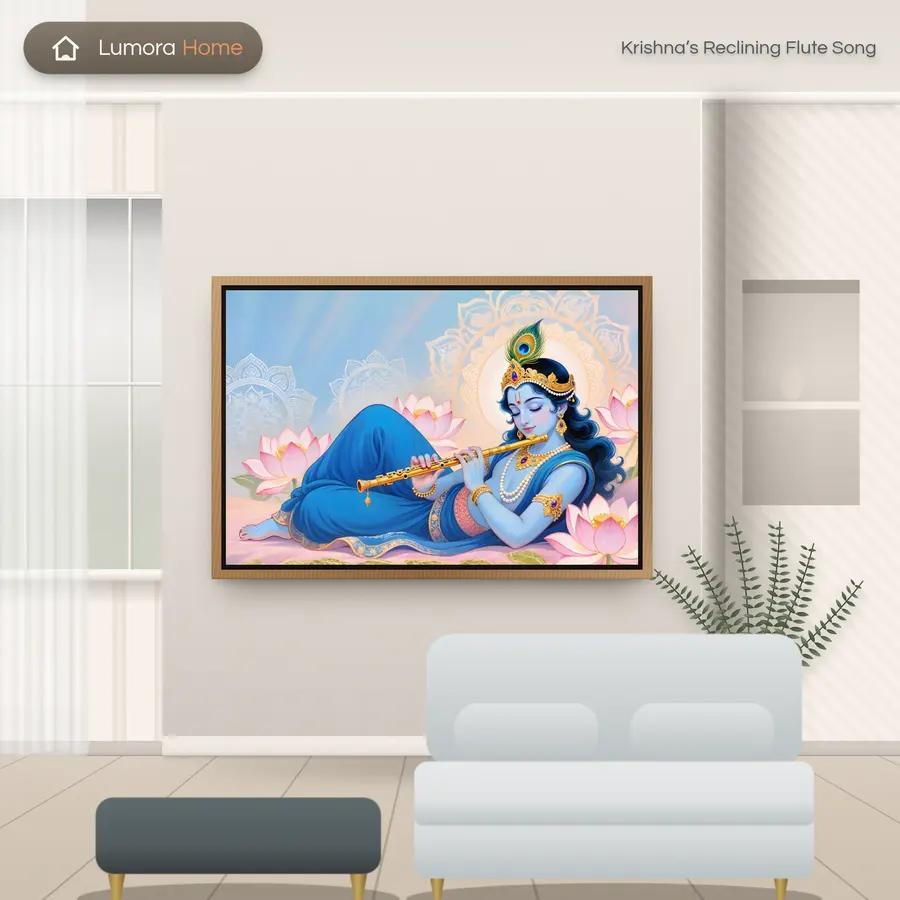
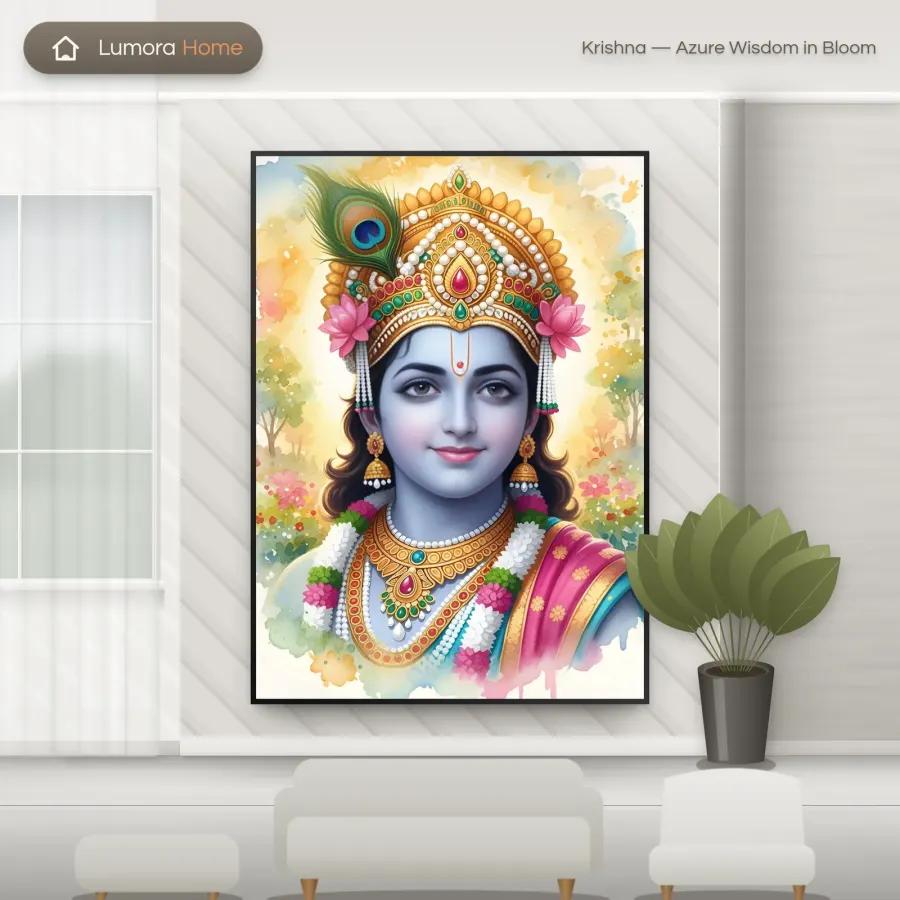
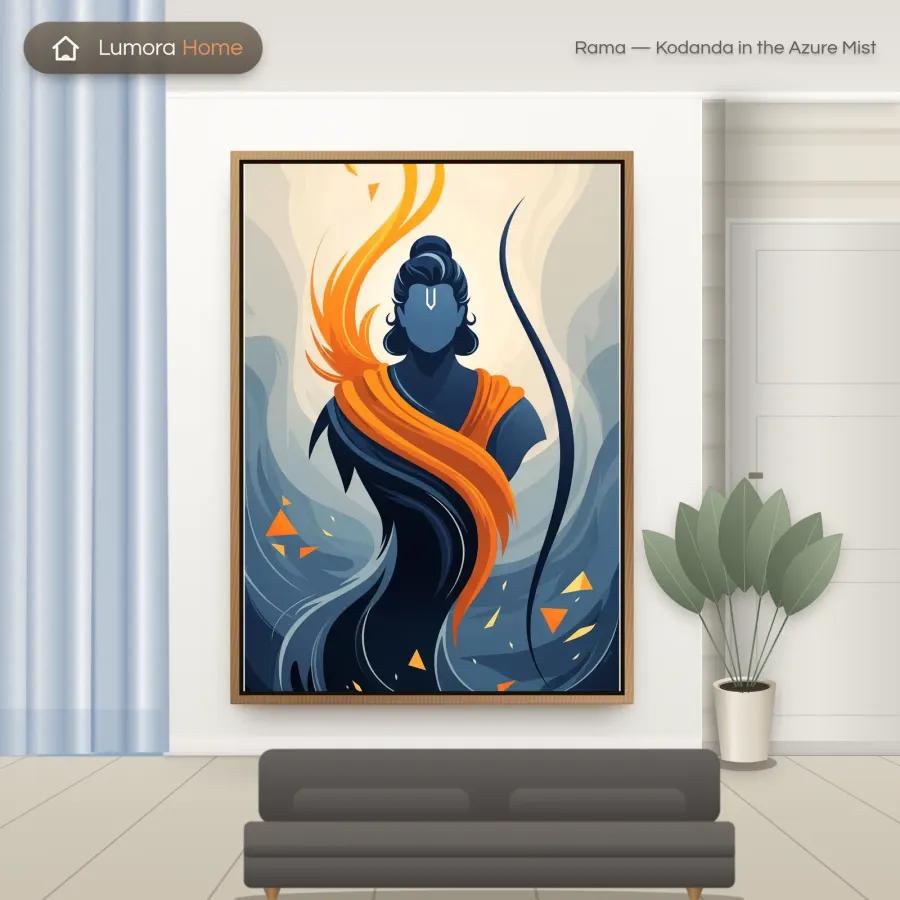
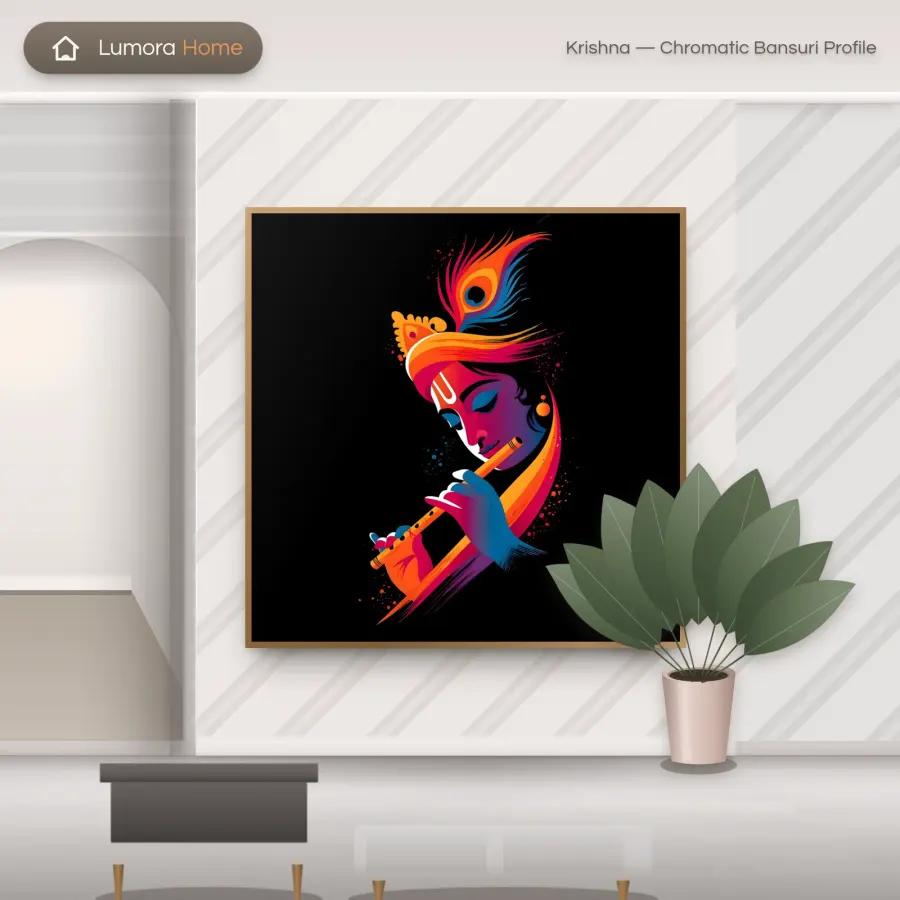
Hindu art is figurative and generous: deities identified by what they hold, surrounded by attendants and animals, usually in saturated warm colour. It wants light and it can carry a wall on its own.
Buddhist art is the opposite instinct. A Buddha image is composed to be calm — closed eyes, a level brow, a lot of empty space — and it works against a plain wall in a room with little else competing. Crowd it and you lose exactly the quality you bought it for.
Christian iconography in a home is usually a single focused image: a Sacred Heart, an Immaculate Heart, a cross. These are traditionally kept in a bedroom or an entrance hall rather than a living room, and they are hung high.
Arabic calligraphy is the outlier, because the text is the image. Nothing figurative appears, which means it reads as pattern to anyone who cannot read it and as meaning to anyone who can — and it sits in a modern interior more easily than any of the above.
The one rule they share
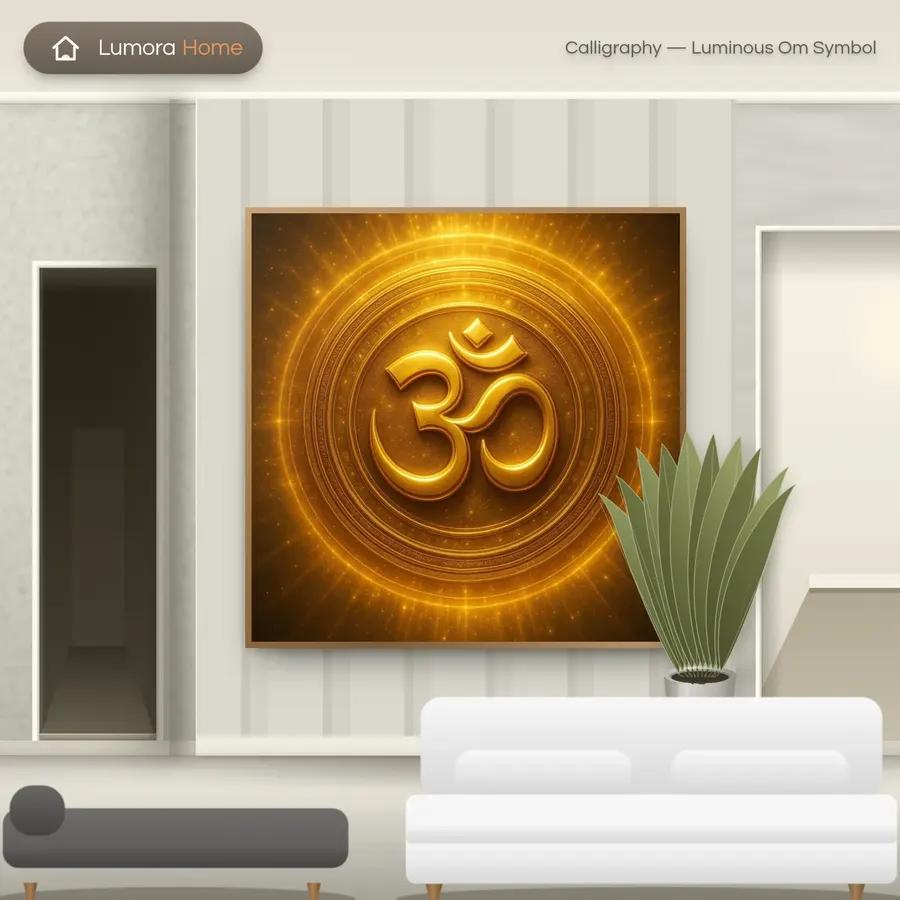
Height. A devotional image is hung at or above eye level in every one of these traditions, and a piece placed low reads as decoration rather than as what it is. If a wall only allows a low hang, choose a symbol rather than a figure — an Om, a lotus, a calligraphic panel — where the convention is less pointed.
Mixing traditions
People do, and it works when the treatment is consistent rather than the subject. Three pieces in similar palettes and similar framing read as a considered wall even across traditions; three pieces in wildly different styles read as a collection of unrelated objects, however carefully each was chosen.
Read About Religious
- SubjectHow to Identify Hindu Deities in Art: A Short Visual GuideHindu art identifies a deity by what they hold and what stands beside them, not by their face. Learn six or seven attributes and almost any devotional painting becomes readable — including the very abstract modern ones.6 min read
- SubjectBuddha Imagery at Home: Why the Composition Is Doing the WorkA Buddha image is engineered to be calm — closed eyes, a level brow, a great deal of empty space. Knowing why explains the one mistake people make with it, and where it genuinely belongs.5 min read