Collection
Pop Art Prints
Marilyn, Chaplin, Barbie and Bruce Lee in flat colour and halftone
16 pieces in this collection
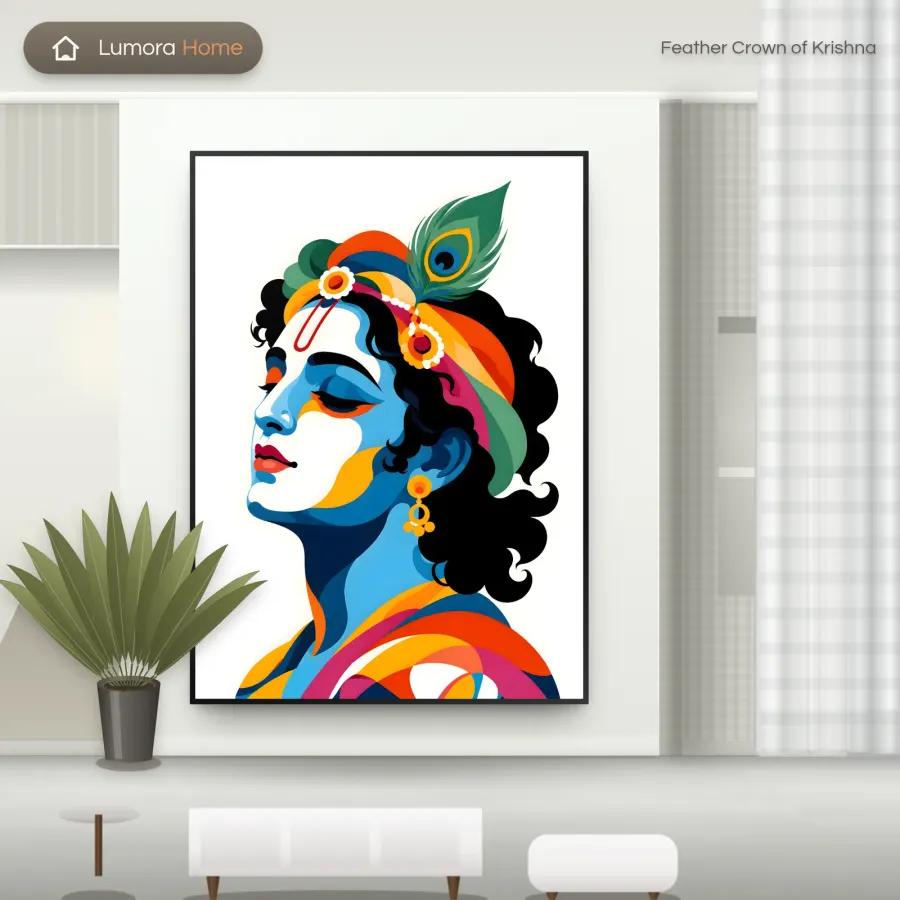



About Pop Art Prints
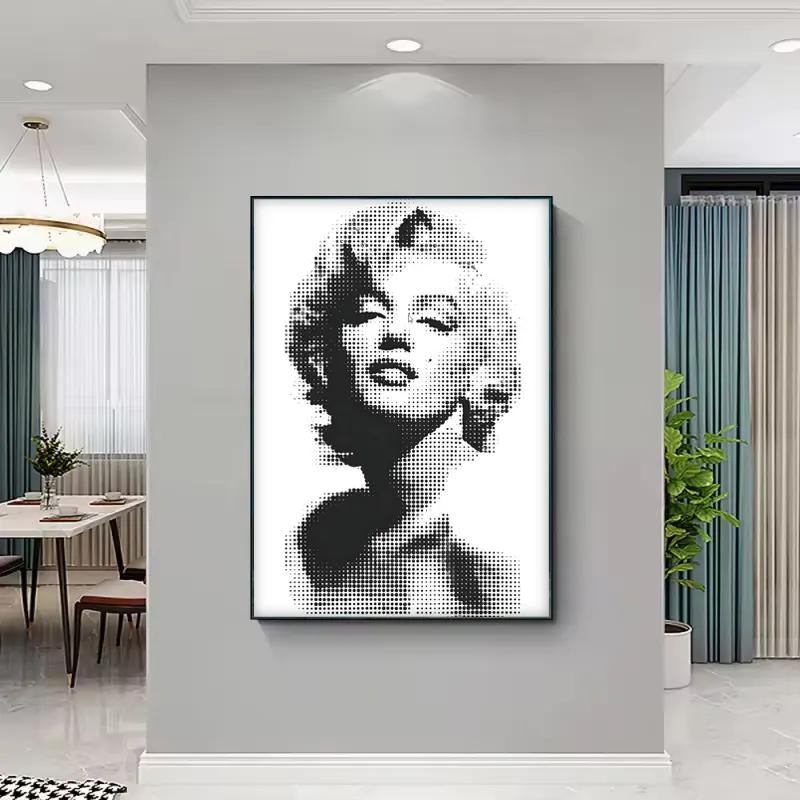
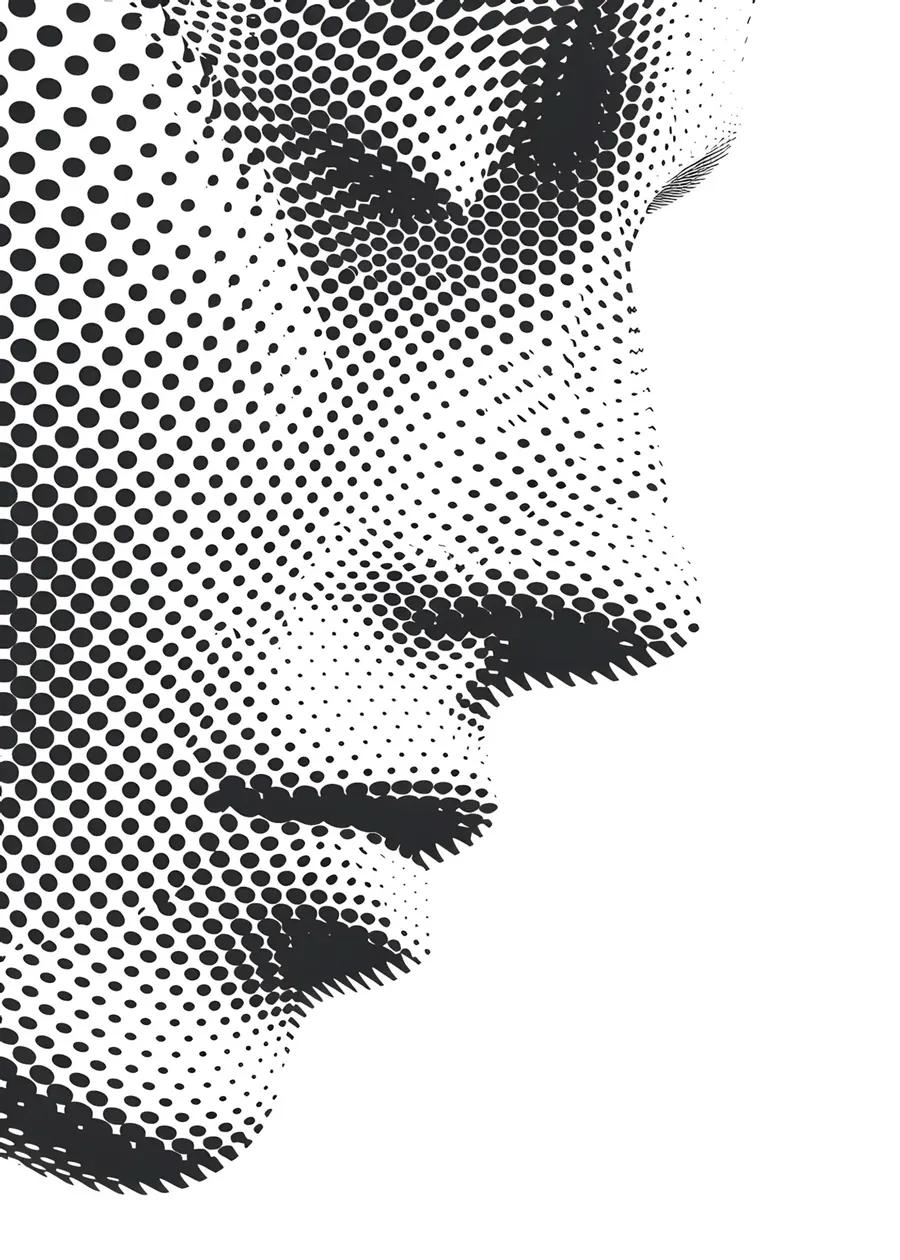
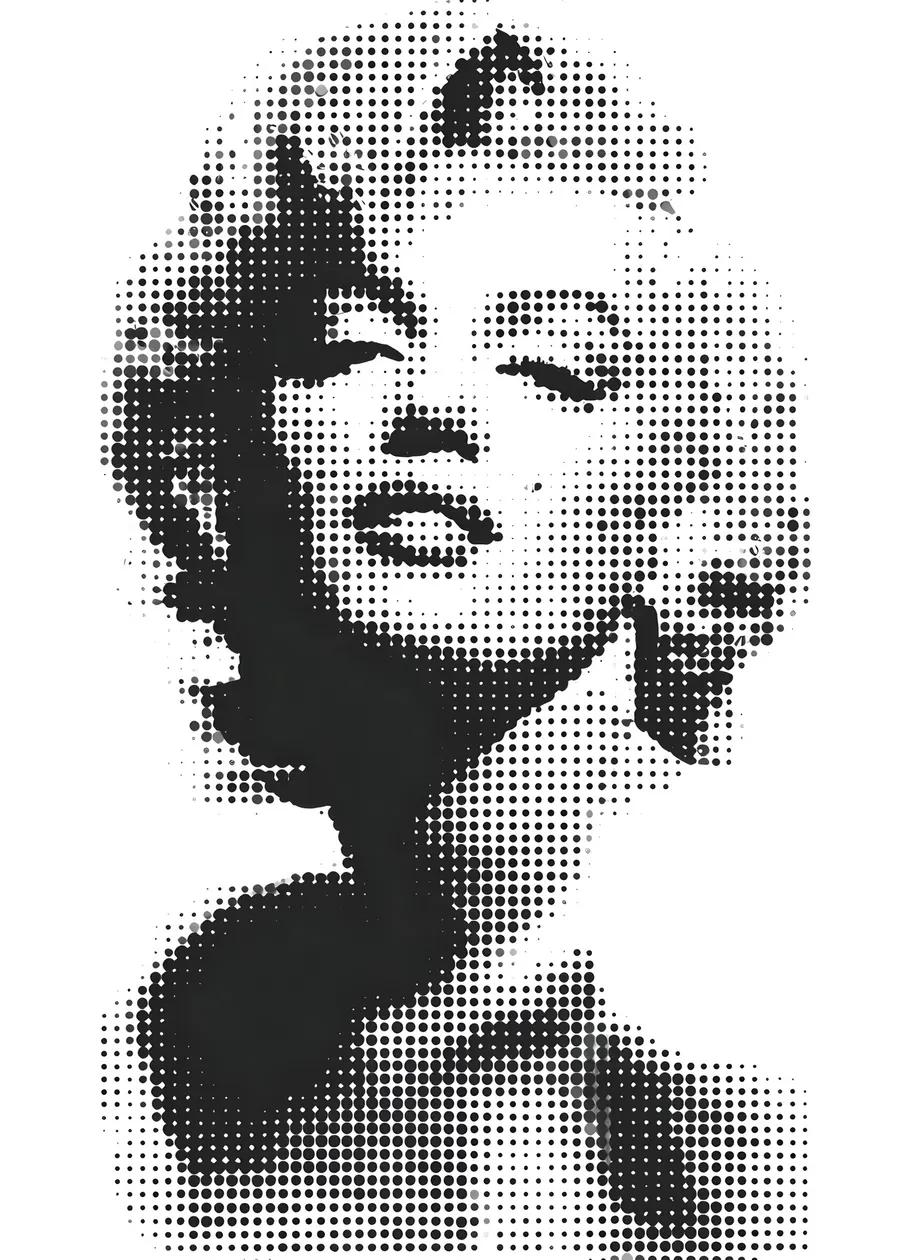
Pop art took the printing press as its subject as much as the celebrity. The halftone dot, the misregistered colour, the flat block where shading should be — all of it is the look of cheap mass reproduction, deliberately kept, and that is why a pop art print feels at home on a wall in a way a photograph of the same person does not.
Why the faces repeat
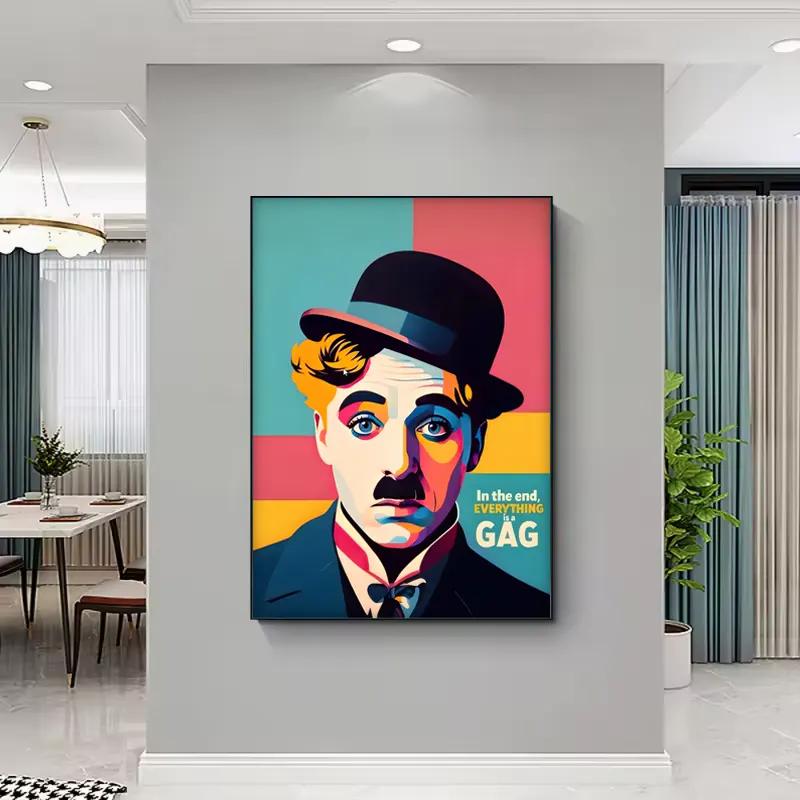
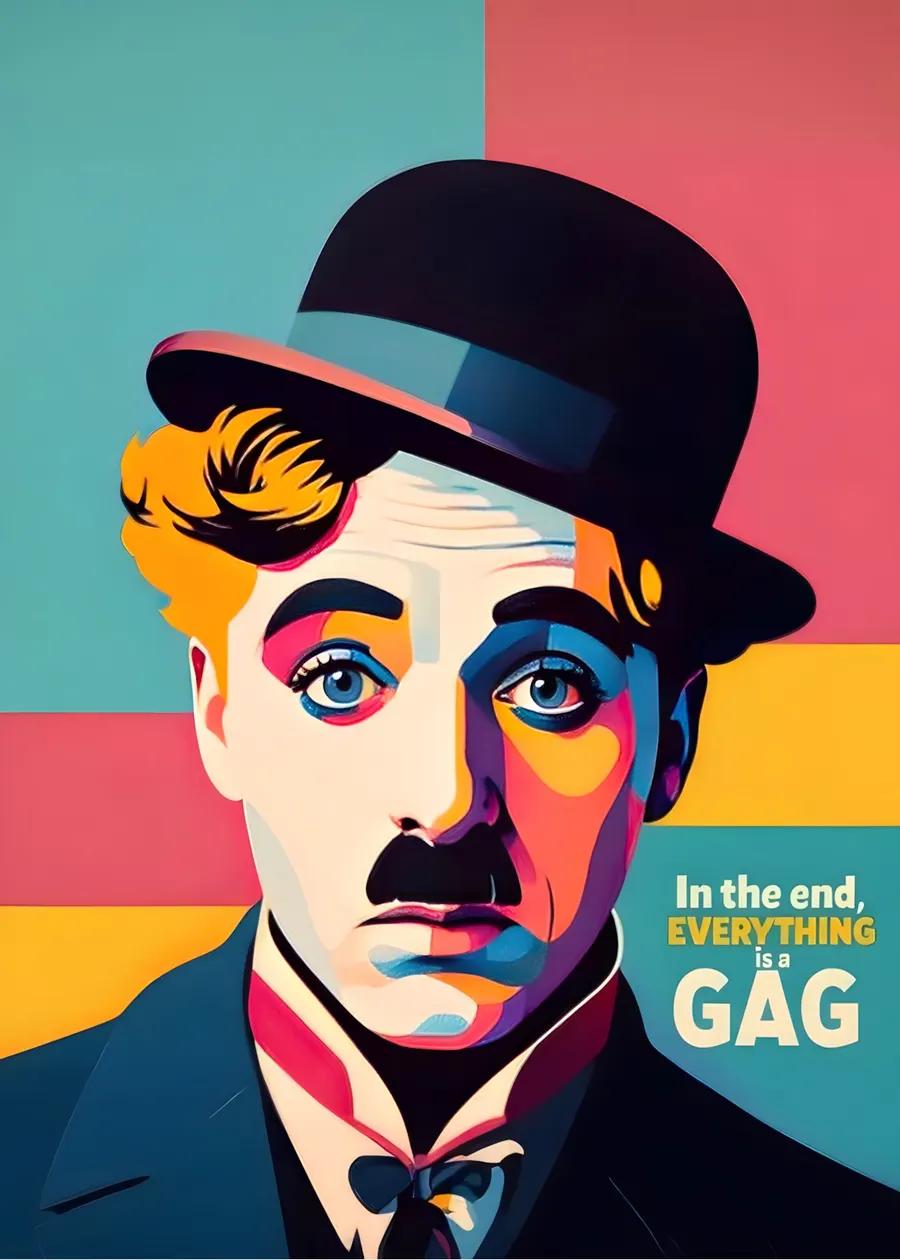
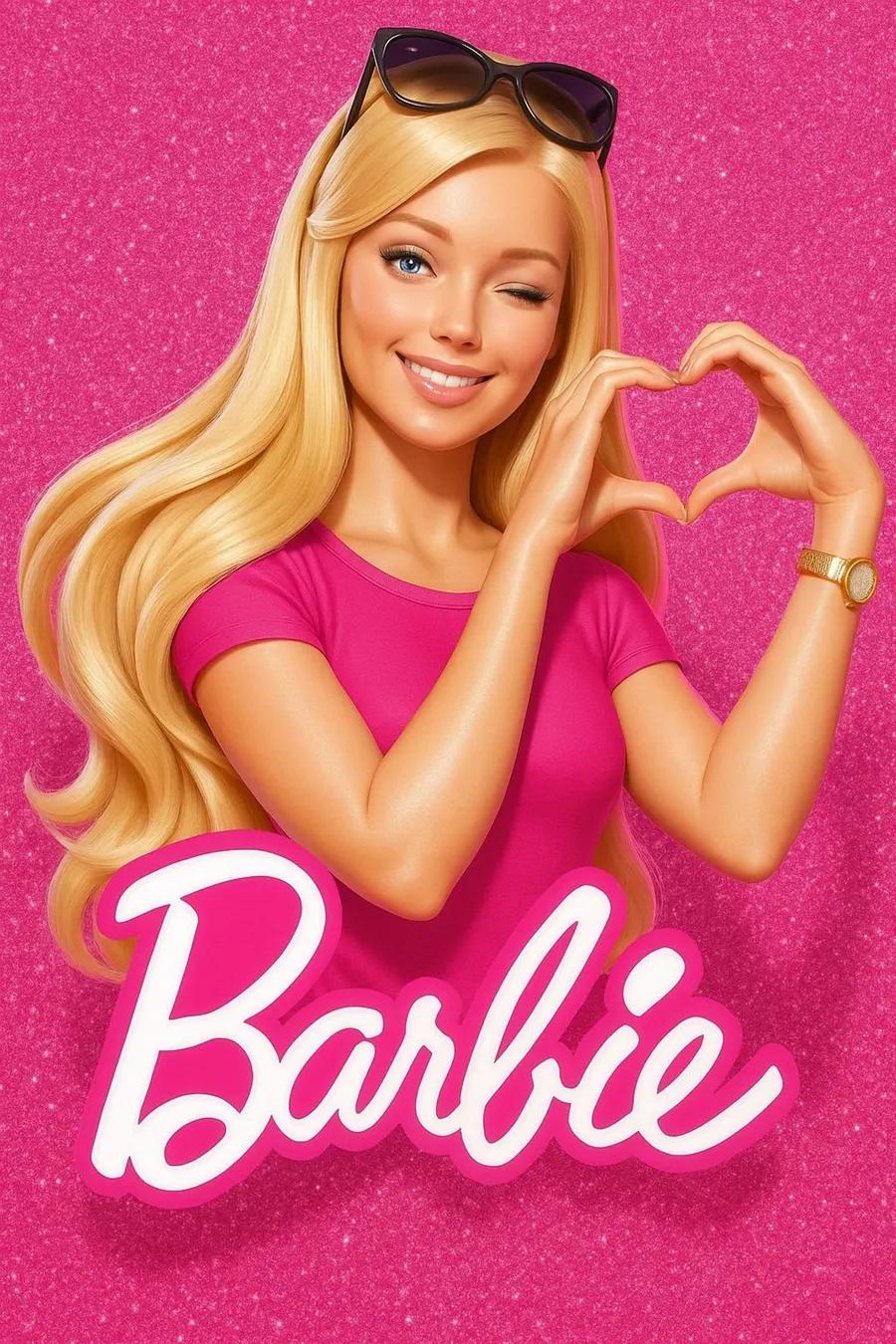
The canon here is small on purpose. Marilyn Monroe, Charlie Chaplin, Bruce Lee, Barbie — figures already so reproduced that the image had stopped being a likeness and become a logo. That is the whole point of the genre: the subject is not the person but the fame, and a face you have seen ten thousand times is the only kind that works.
Chaplin brings something the others do not, which is comedy. A pop art Chaplin is one of very few pieces of wall art that is genuinely funny, and it changes the temperature of a room accordingly.
Where it belongs
Pop art is social. It suits rooms where people gather and talk — kitchens, dining rooms, bars, games rooms, home cinemas — and it is one of the few genres that can survive a busy space, because it was built to shout.
It is a poor choice for a bedroom, and a difficult one for a room with a lot of natural timber or antique furniture. Flat saturated colour needs a hard, modern surround; against warm traditional materials it tends to look like it is visiting.
Scale and grouping
These pieces work at almost any size, which is unusual. A small pop art portrait reads as a knowing detail; a large one reads as a statement. What does not work is the middle — a single medium print on a large wall looks undersized in a way an abstract of the same dimensions would not.
Grouping is where pop art really earns its keep. Three or four faces in a row, same size, even gaps, is one of the most reliable gallery walls there is — the genre was designed for repetition.