Collection
Hinduism Wall Art
Krishna, Radha, Shiva, Rama, Ganesha and the symbols that surround them
49 pieces in this collection



About Hinduism Wall Art
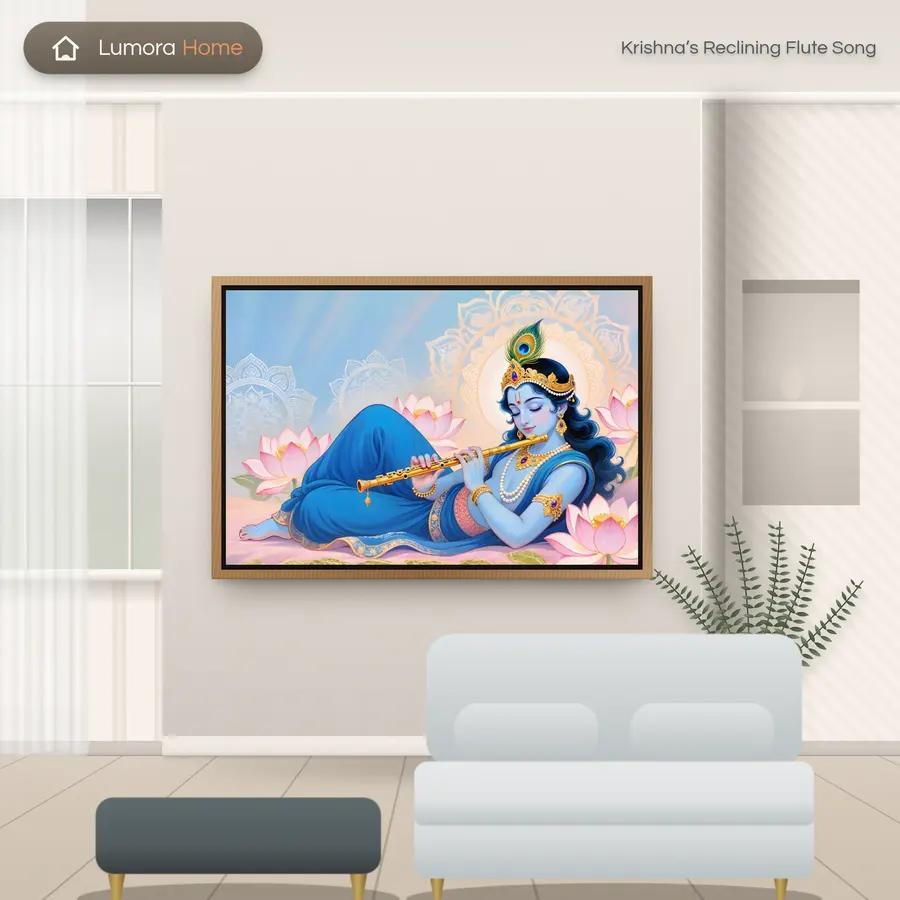
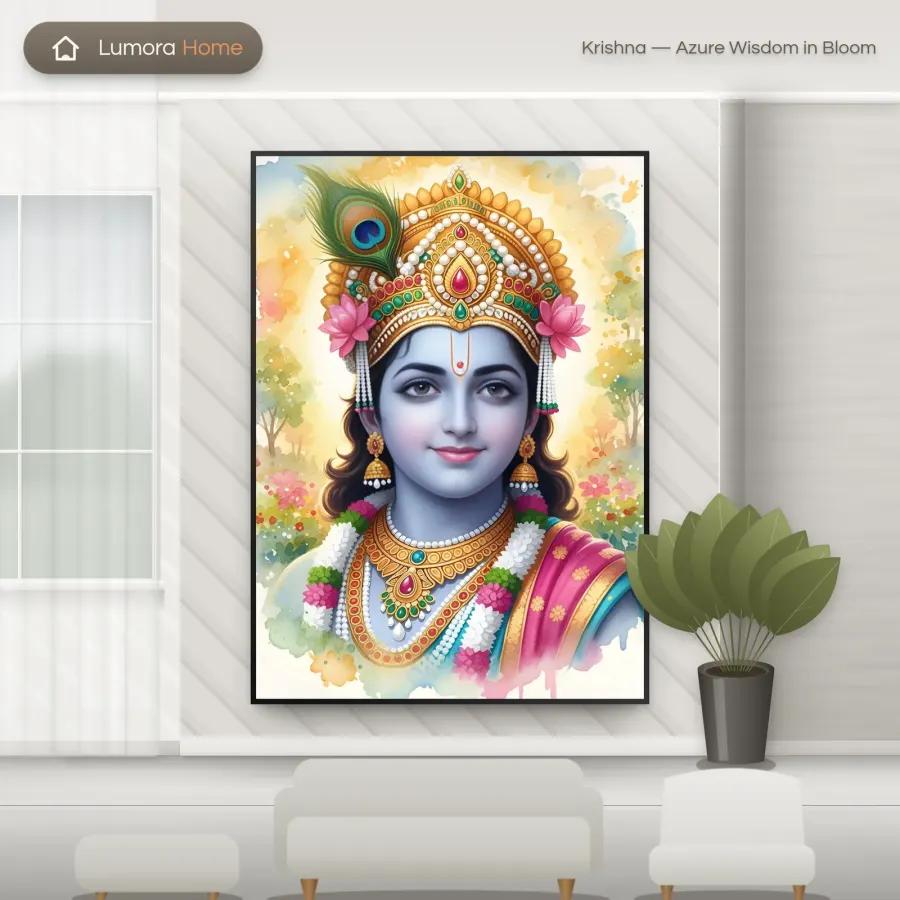
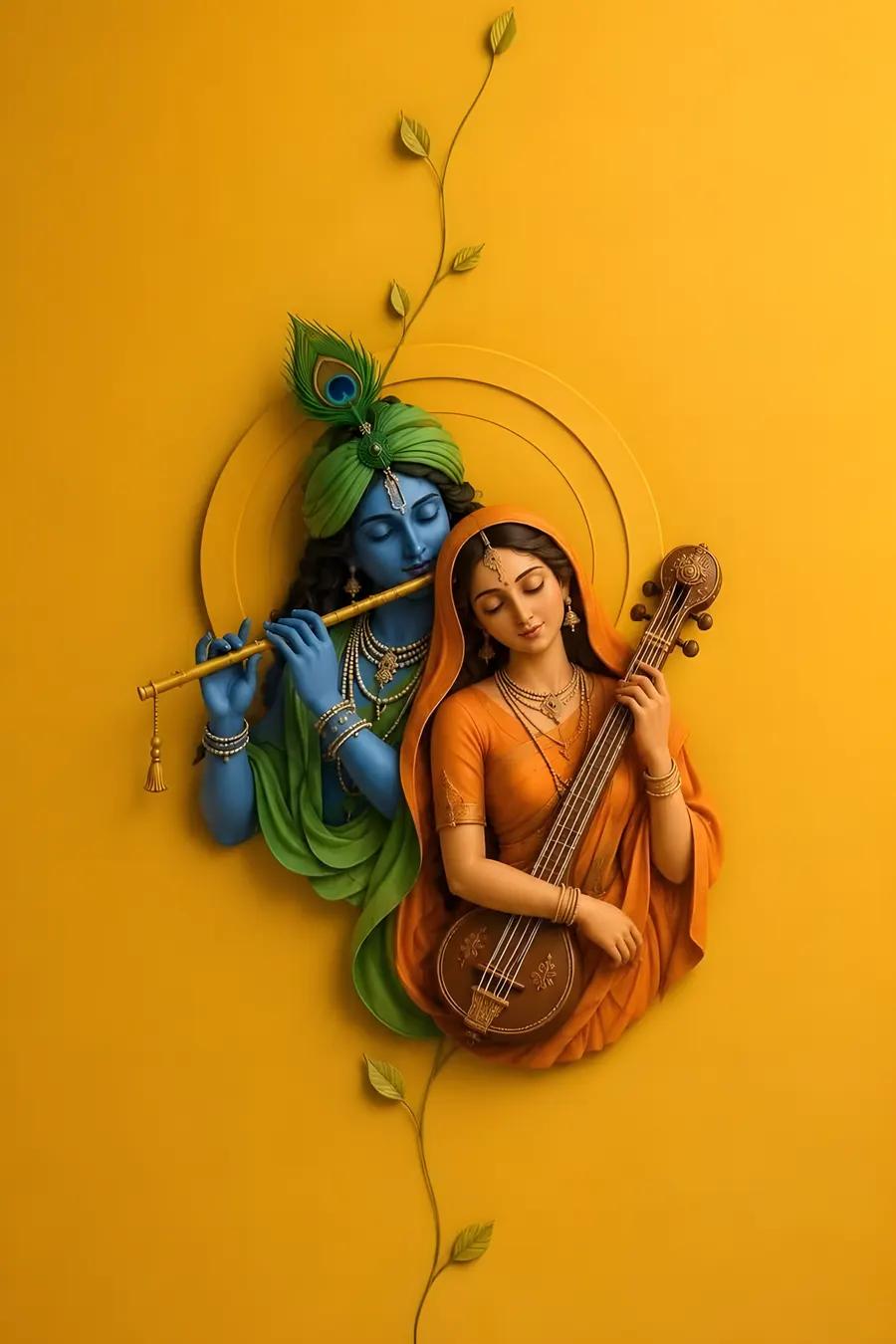
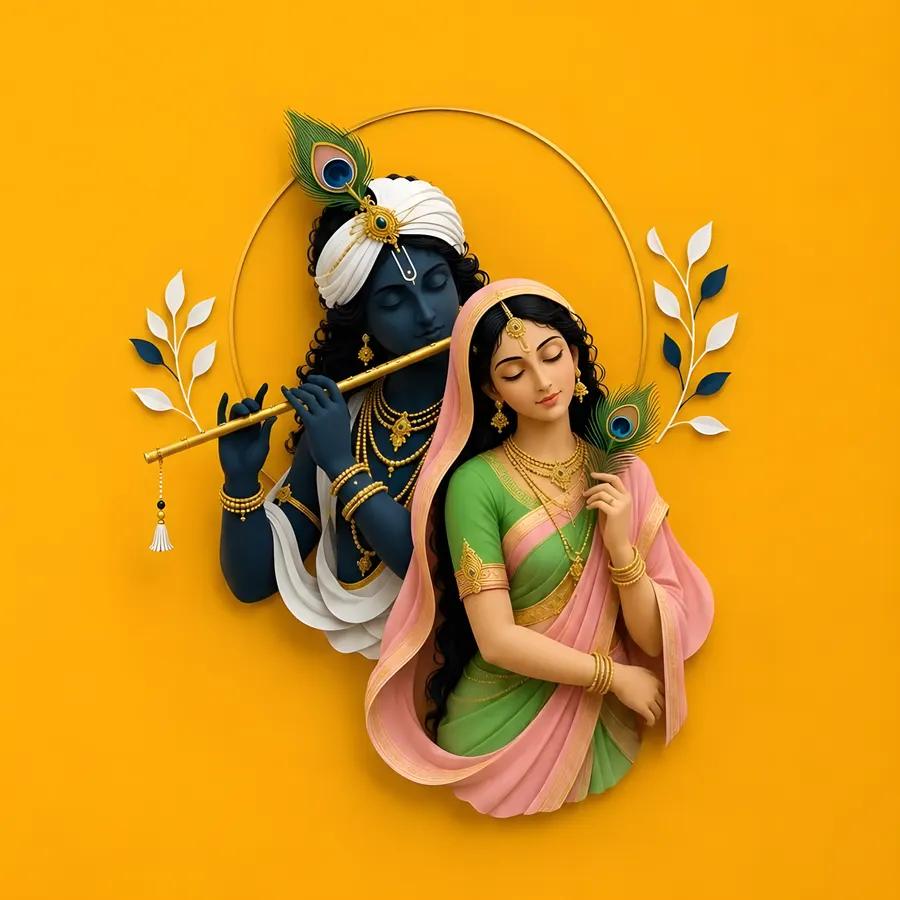
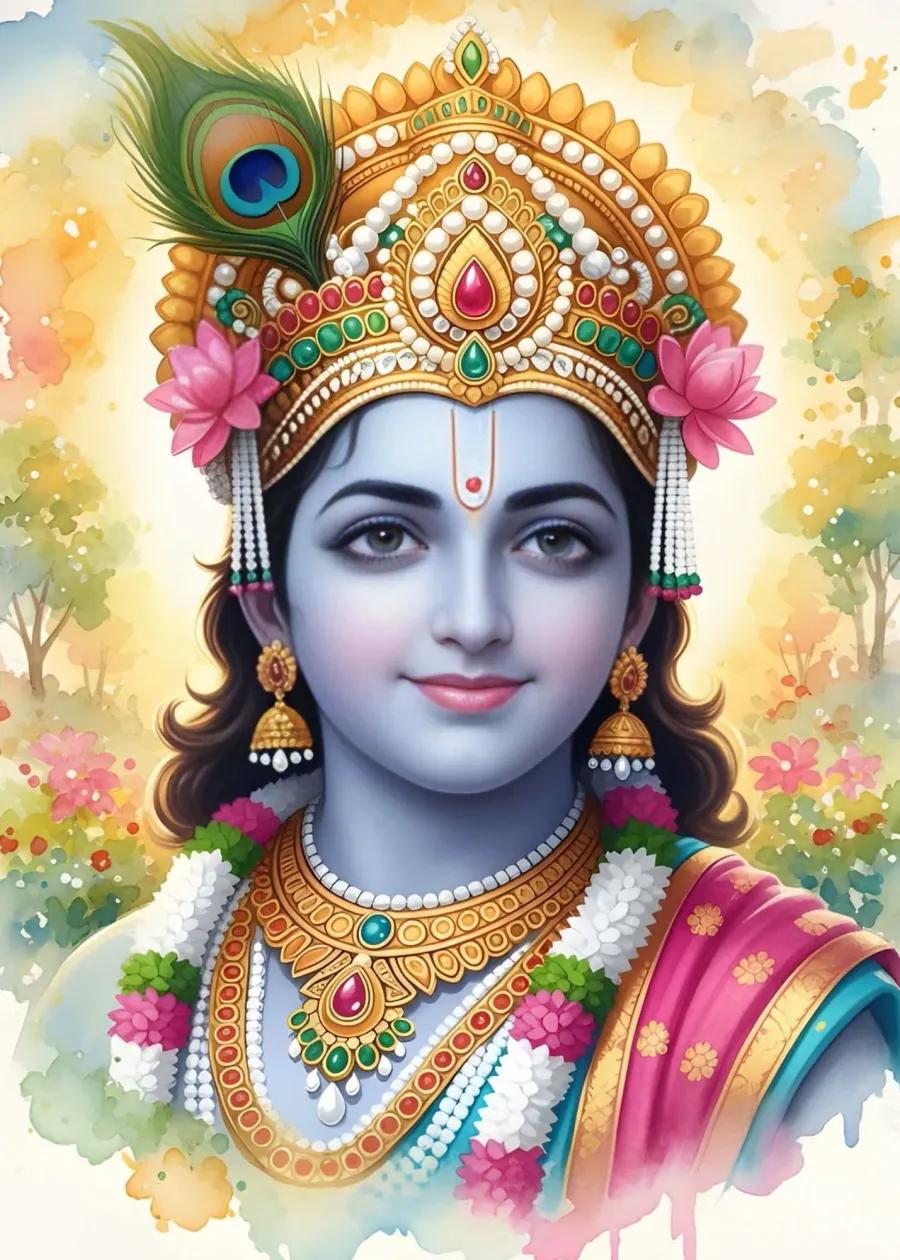
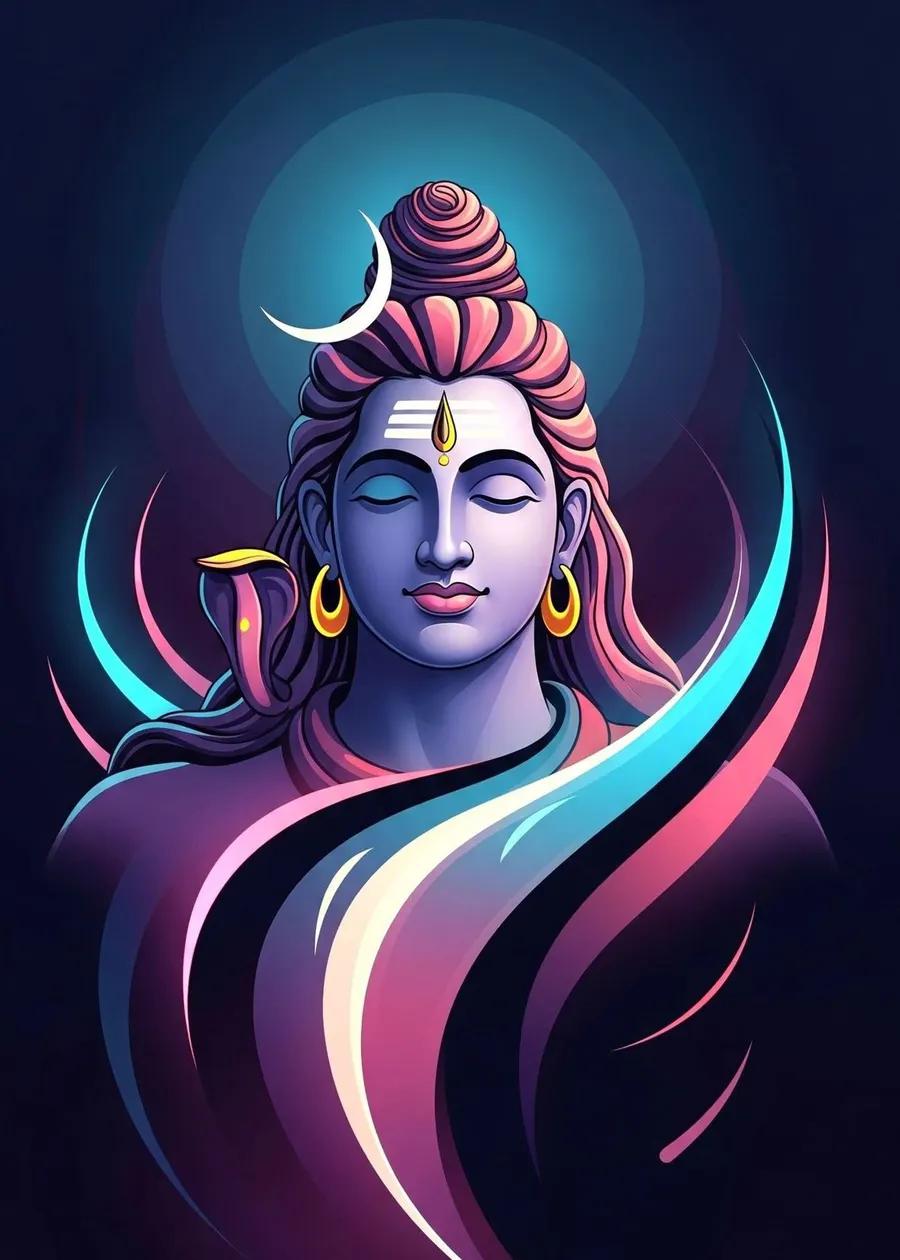
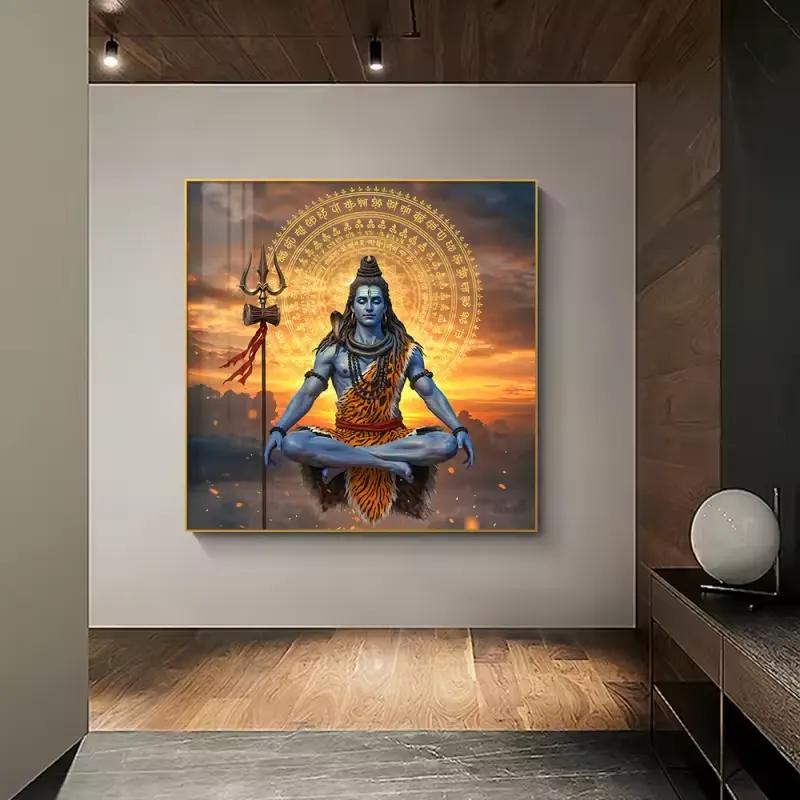
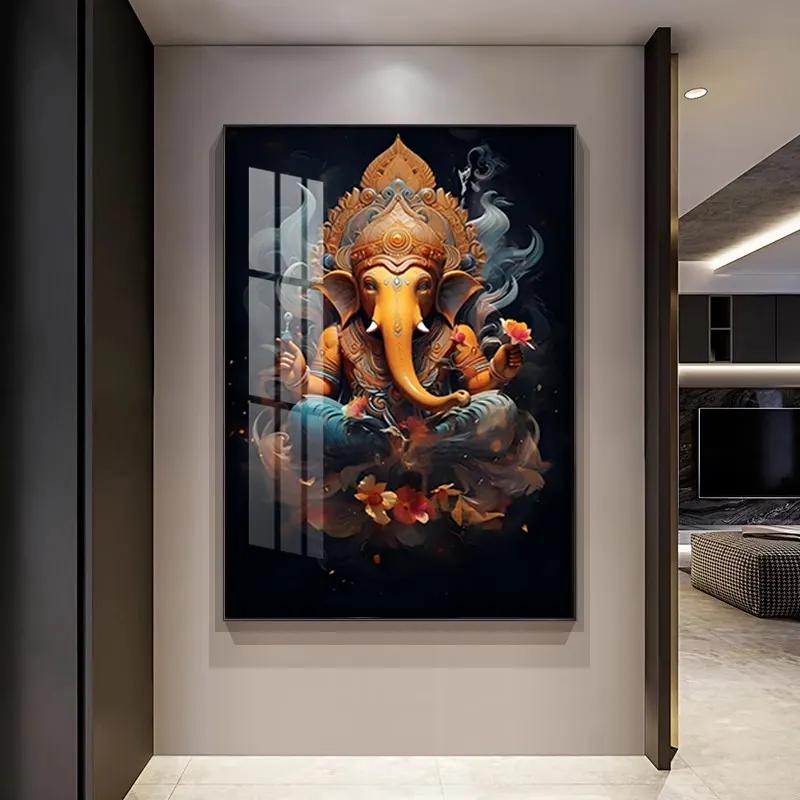
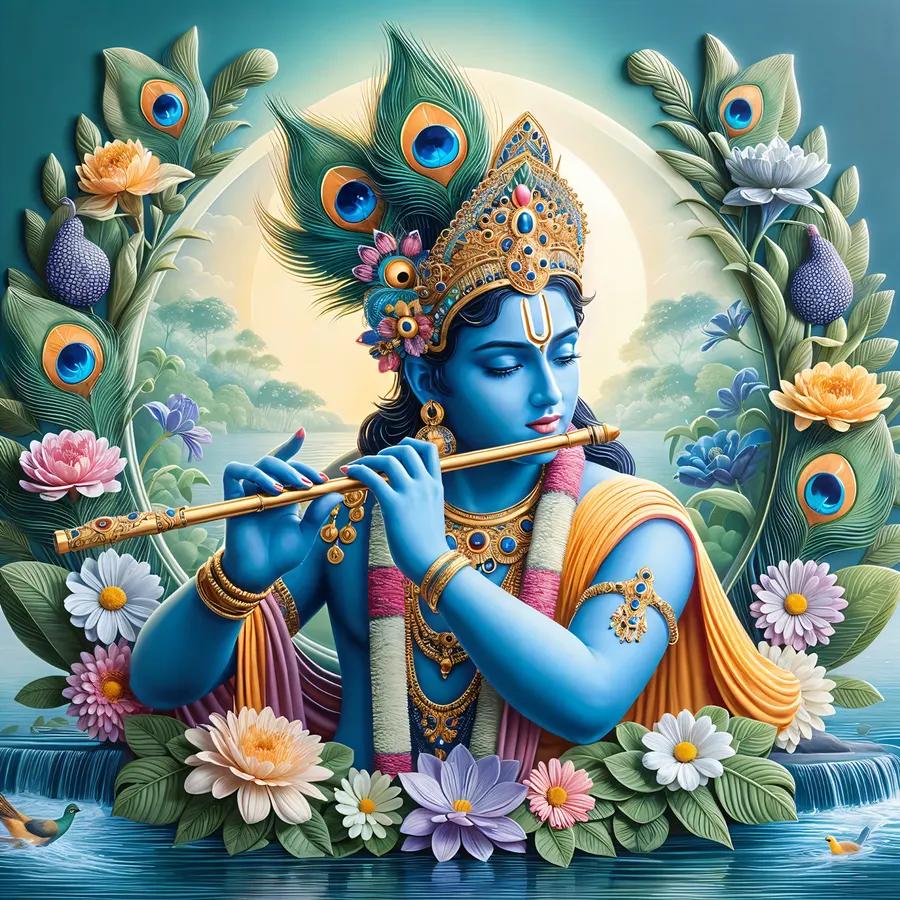
Hindu art is not one tradition but several centuries of them layered together, and the reason a modern print still reads instantly is that the visual grammar barely moved. A deity is identified by what they hold and what stands beside them, not by their face — which is why you can recognise Krishna by a flute, Shiva by a crescent and a trident, and Ganesha by an elephant head, whether the piece was painted in Rajasthan two hundred years ago or drawn last year.
Reading the attributes
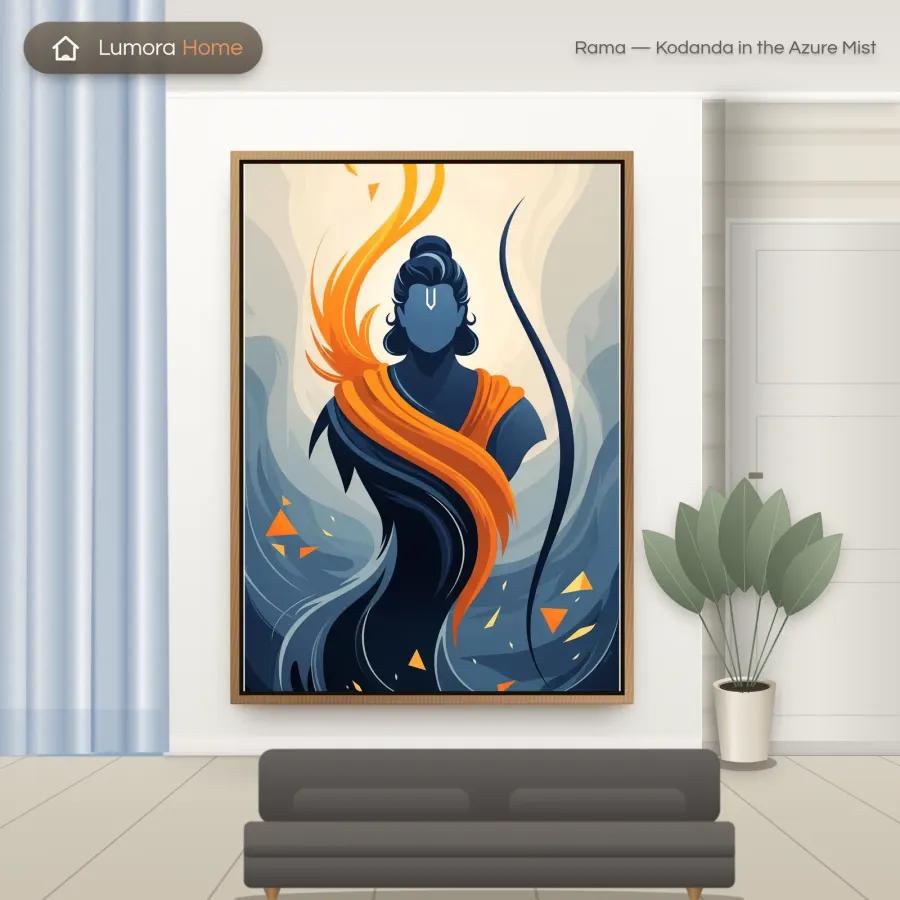
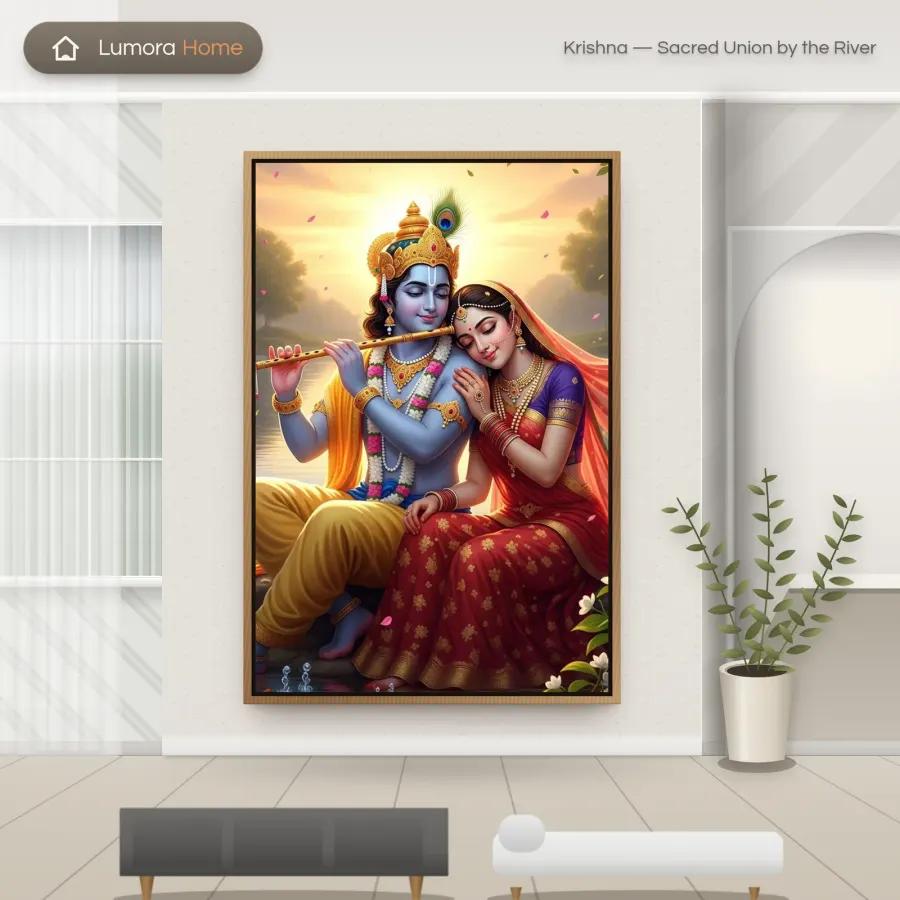
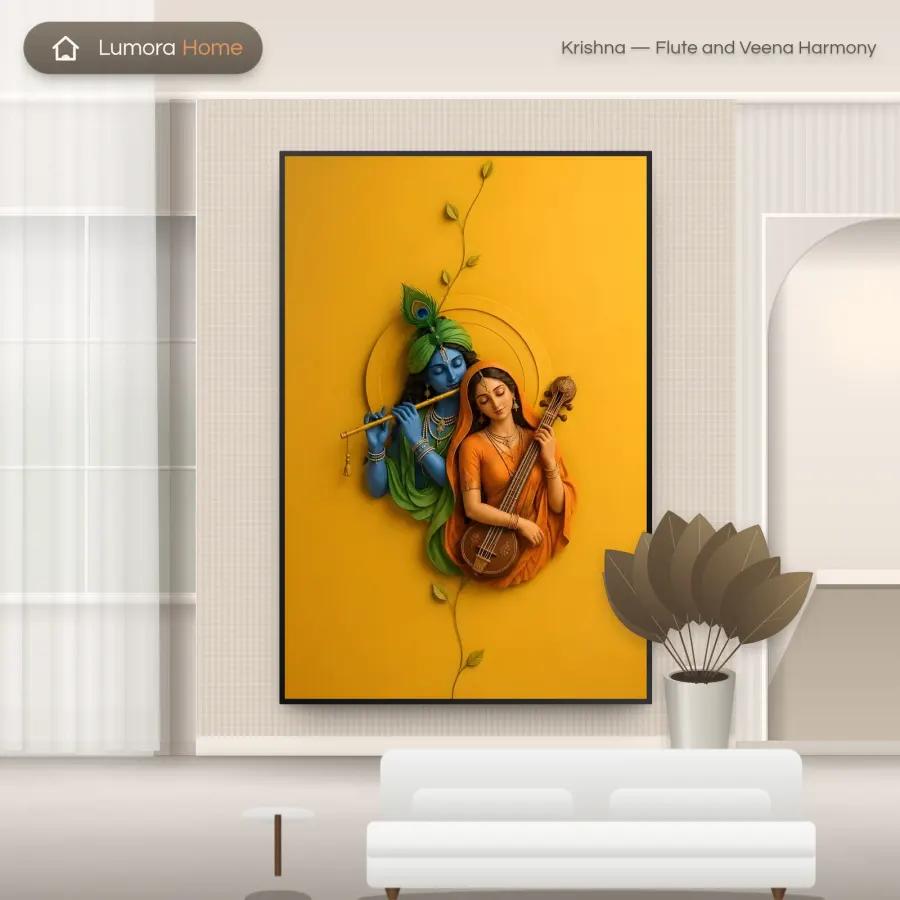
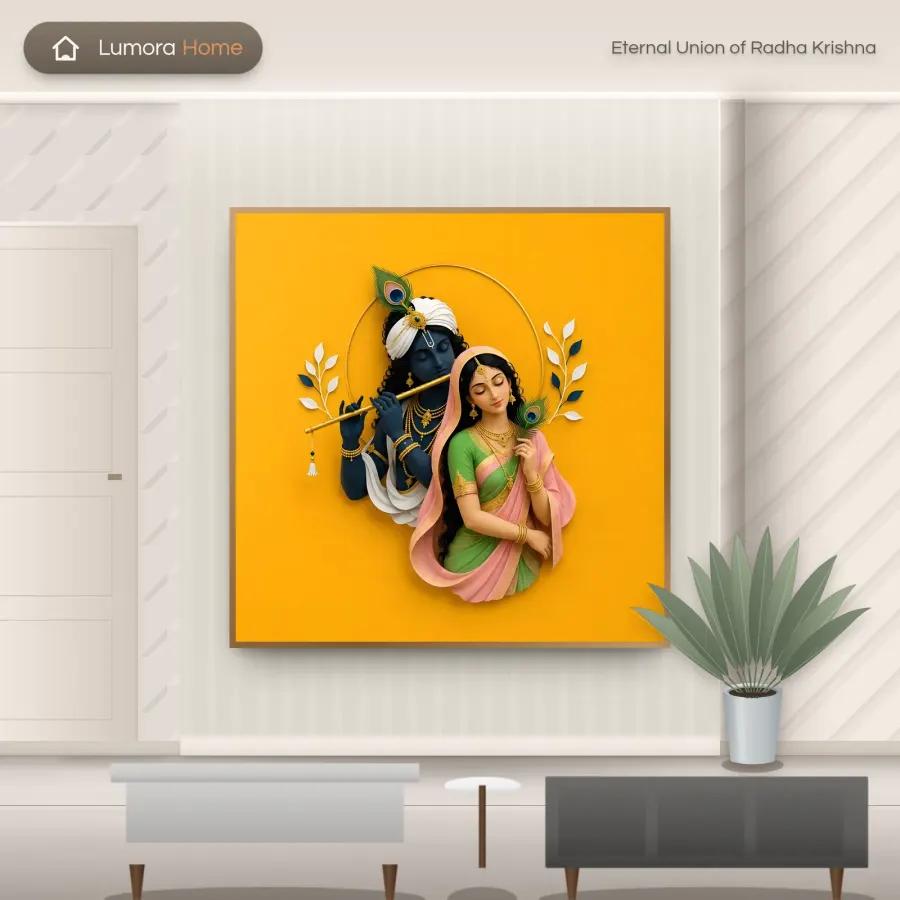
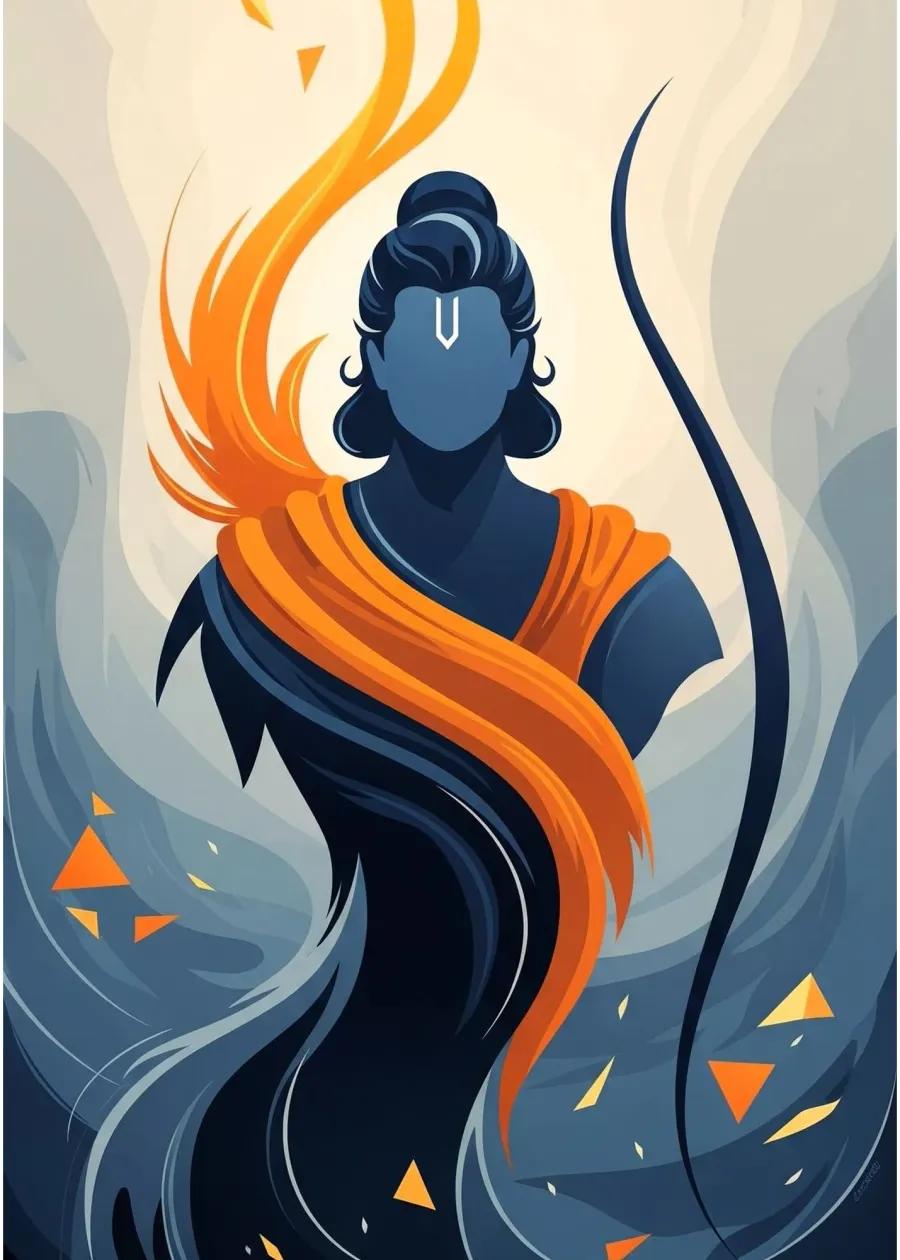
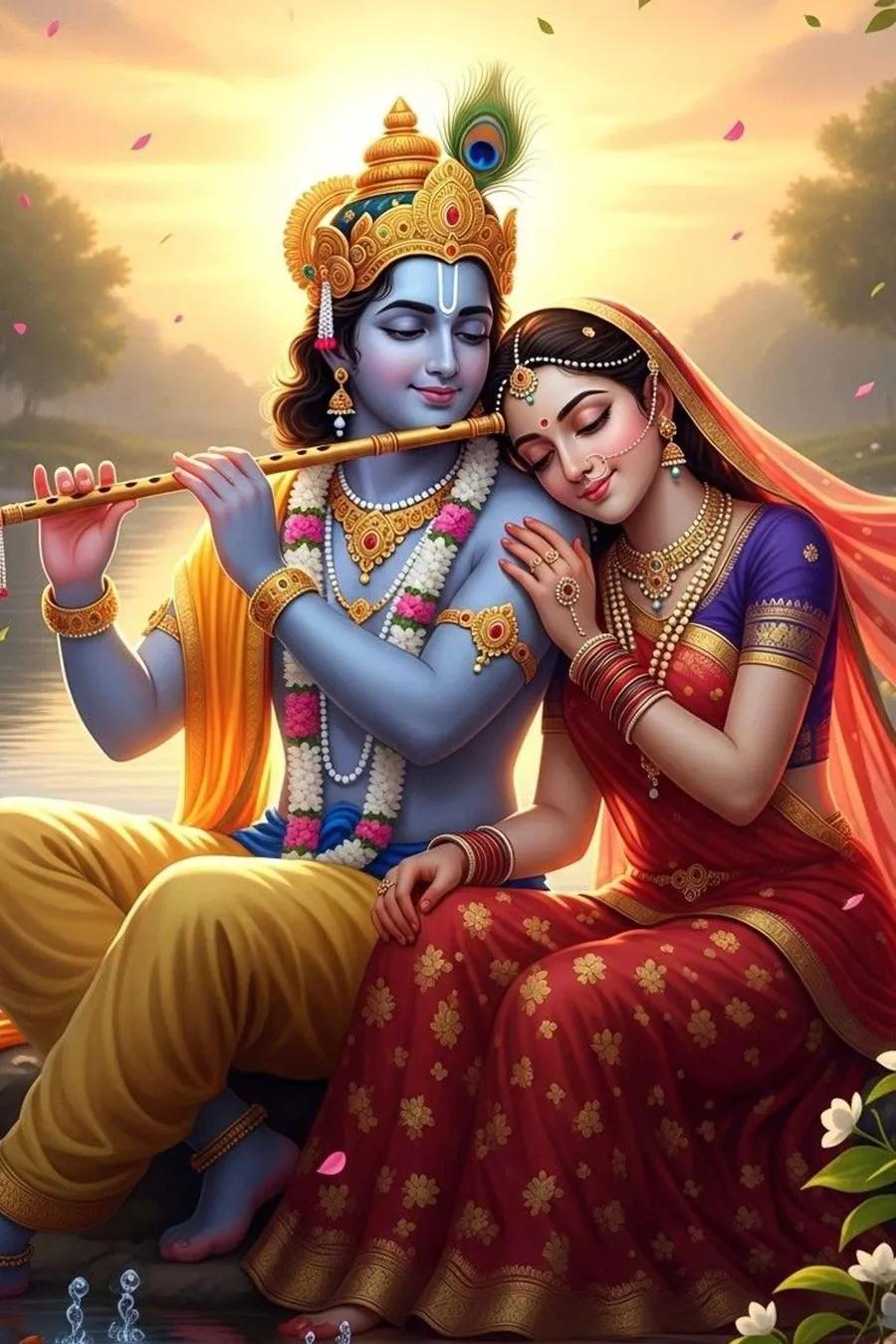
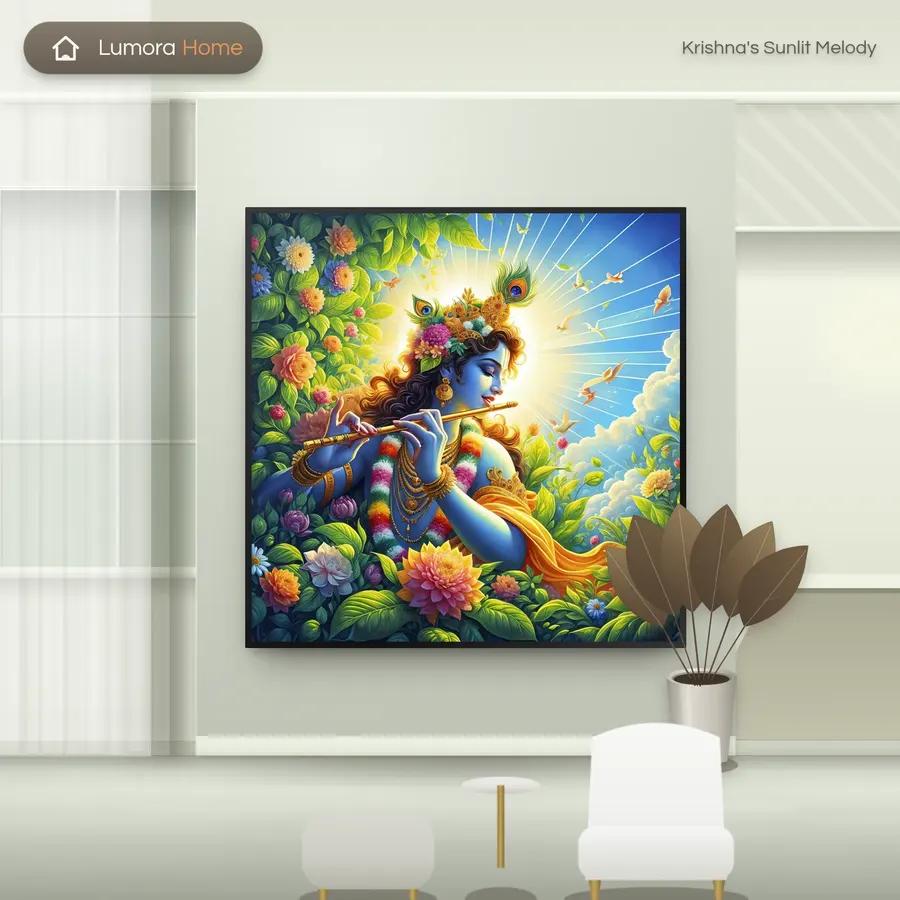
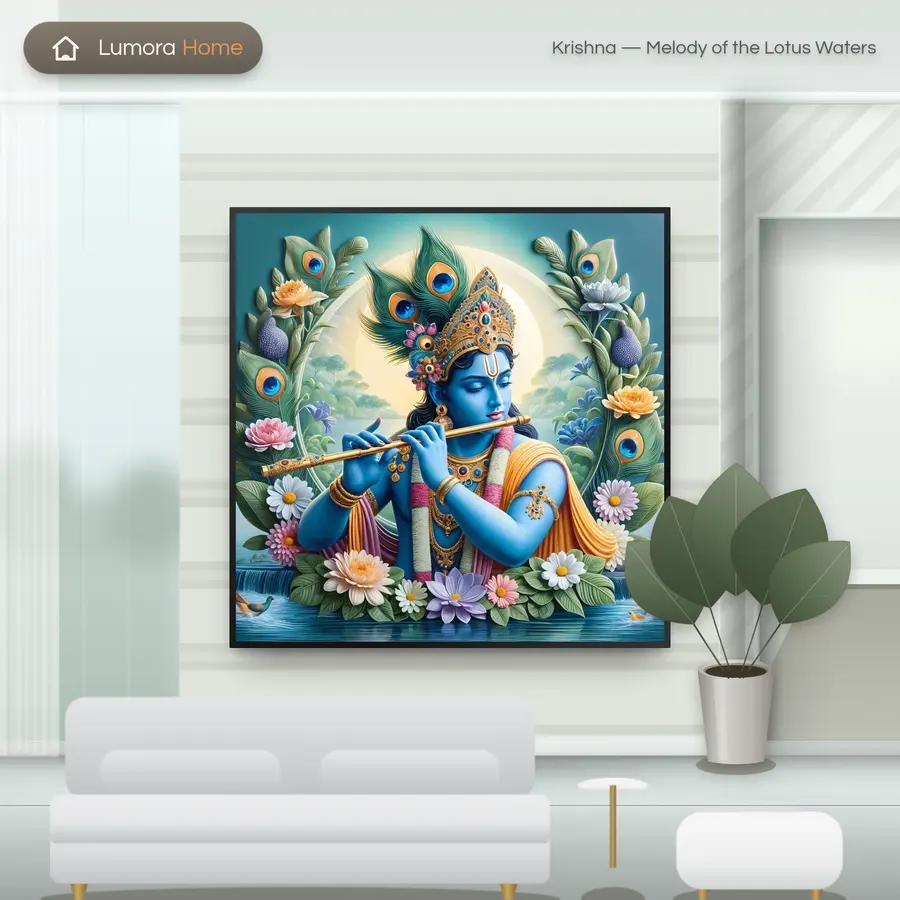
Every object in the frame is a sentence. Shiva ash-smeared and still is the ascetic; the same figure mid-step with a raised leg is Nataraja, the dance that makes and unmakes the world. Rama carries the Kodanda bow because his story is one of duty carried to an unreasonable conclusion. Krishna is almost never alone — cattle, gopis, peacocks, the river — because his stories are about presence and company rather than withdrawal.
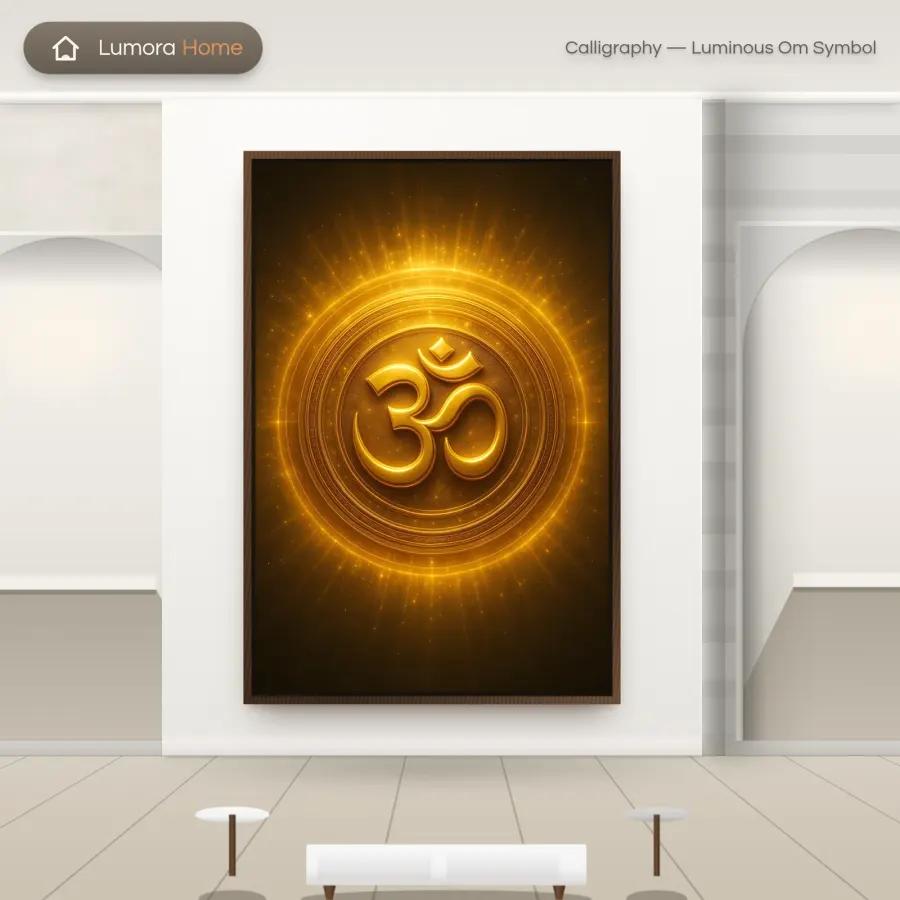
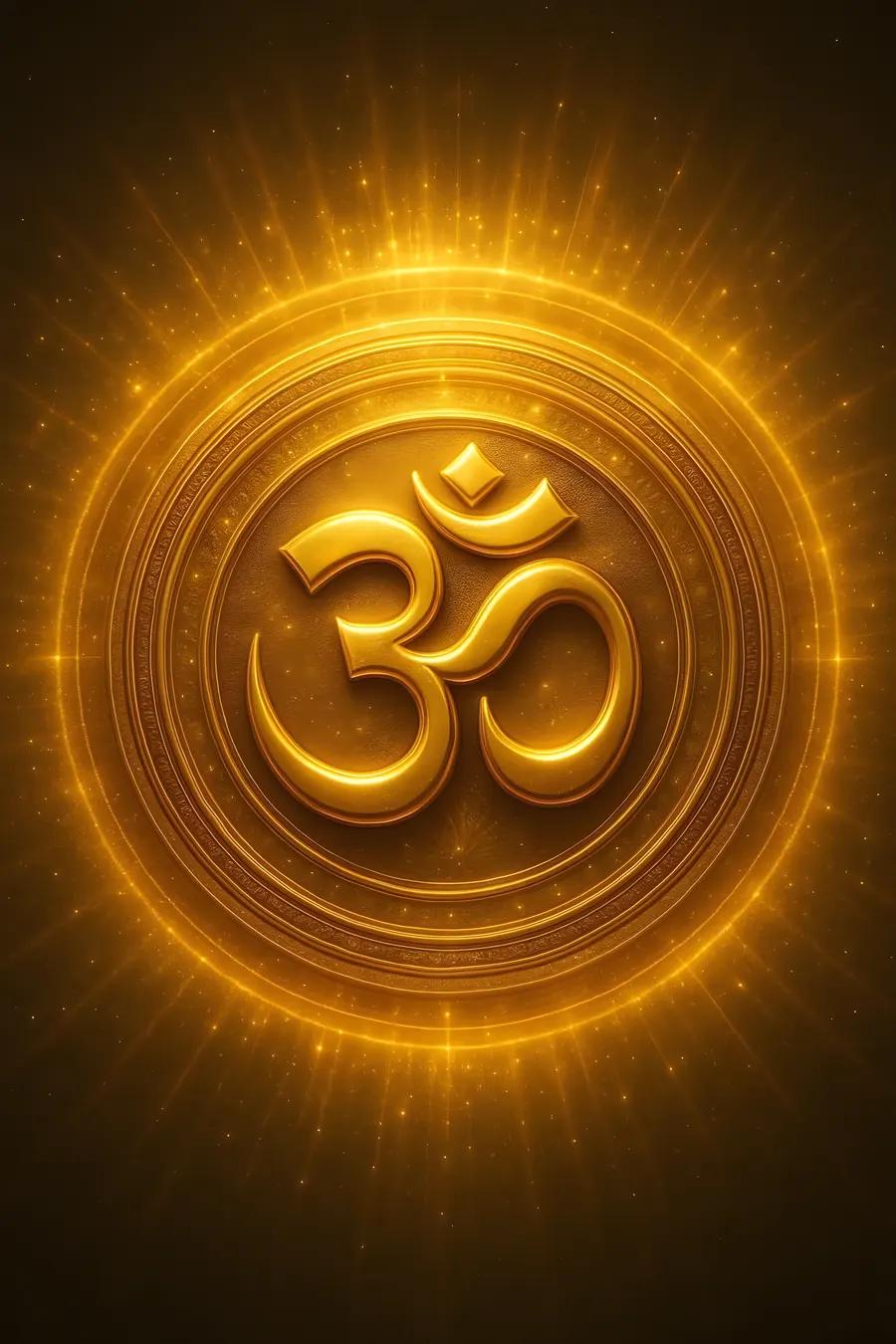
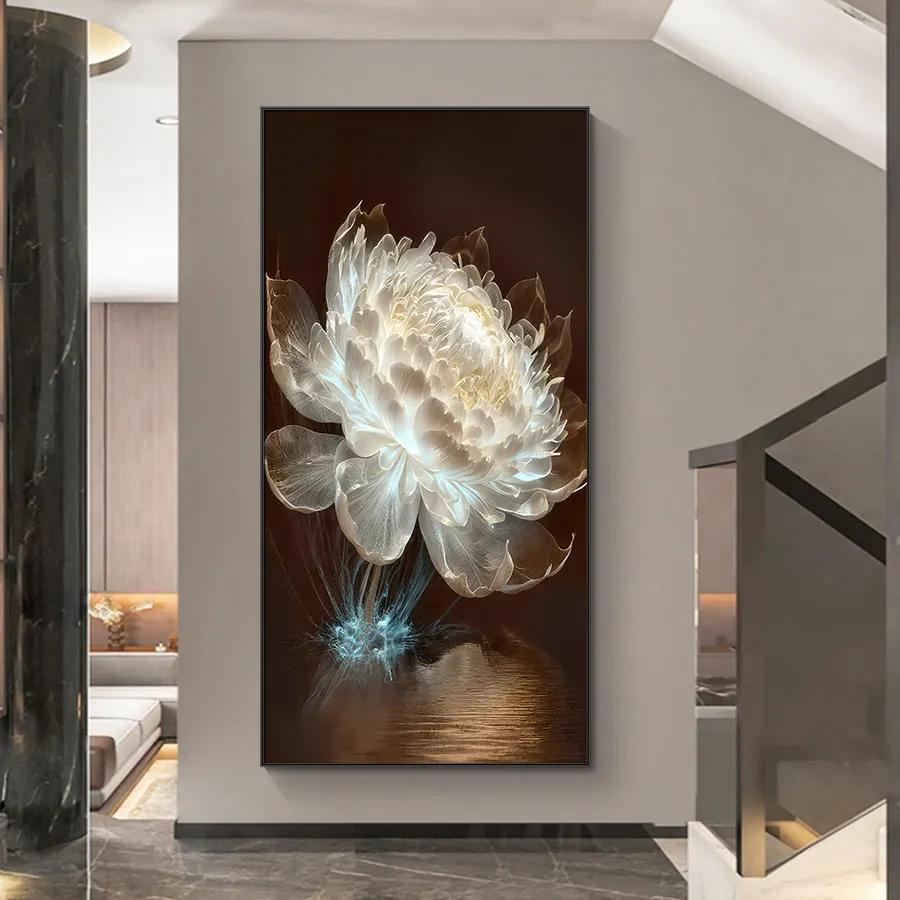
The Om symbol and the lotus behave differently. Neither is a figure, so both sit comfortably in a room that is not otherwise devotional, and both are common choices for people who want the tradition present without a deity looking back at them.
Traditional or contemporary
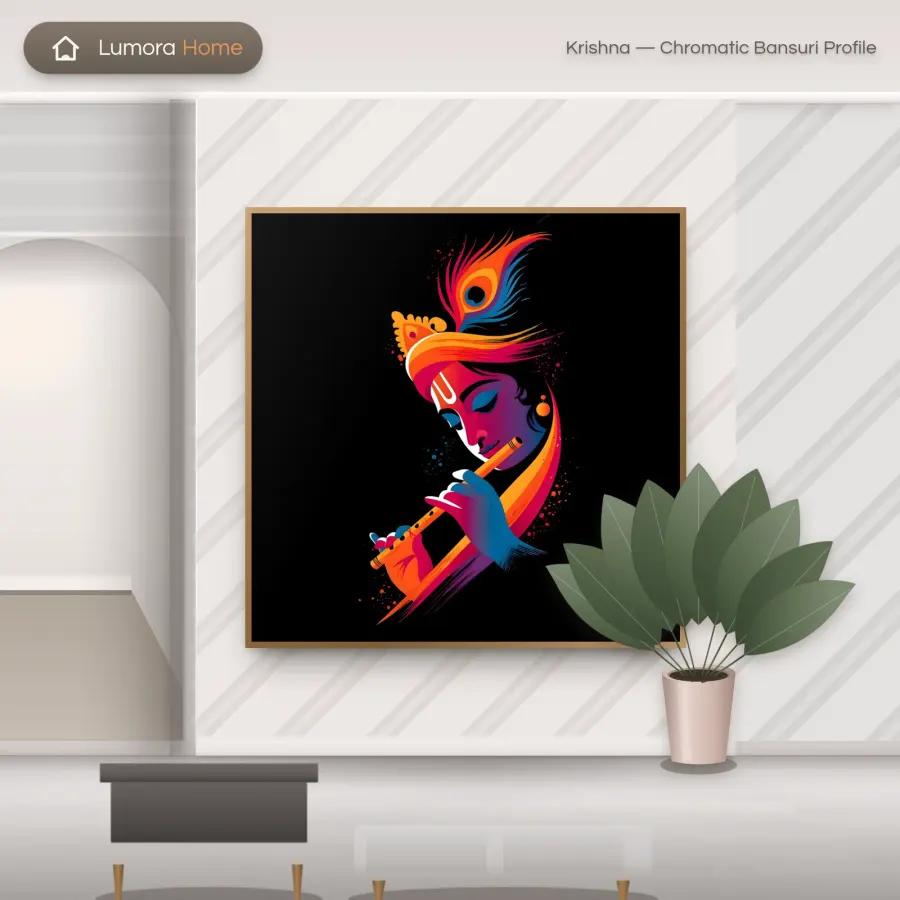
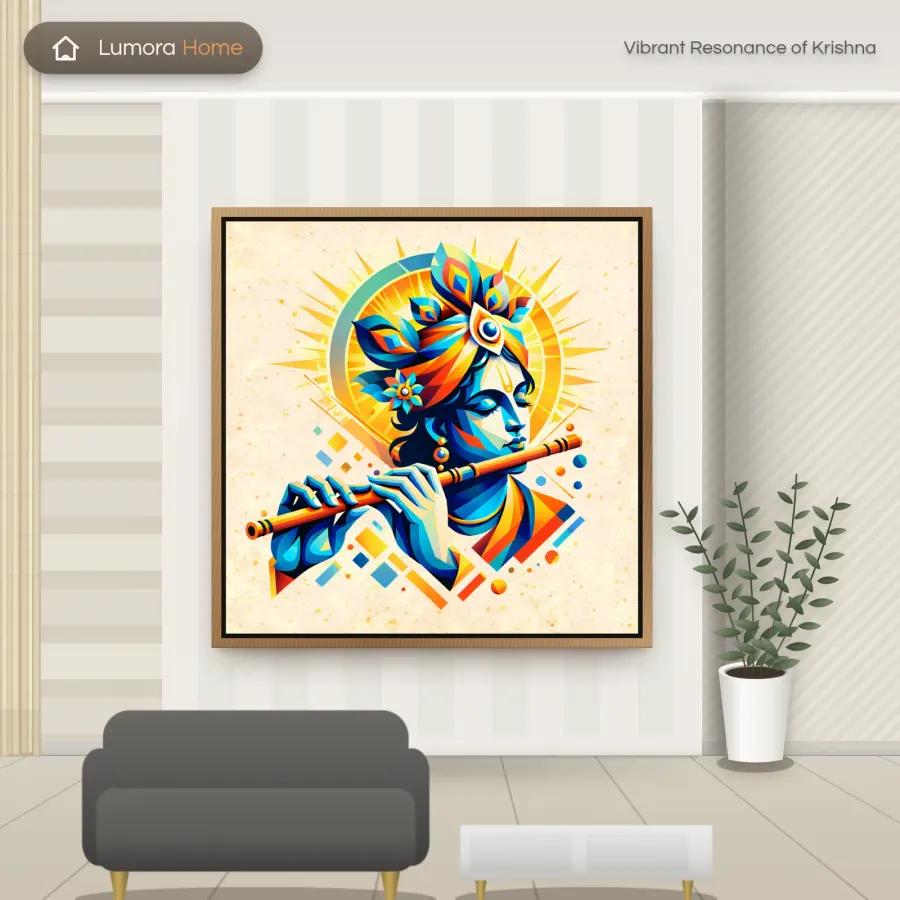
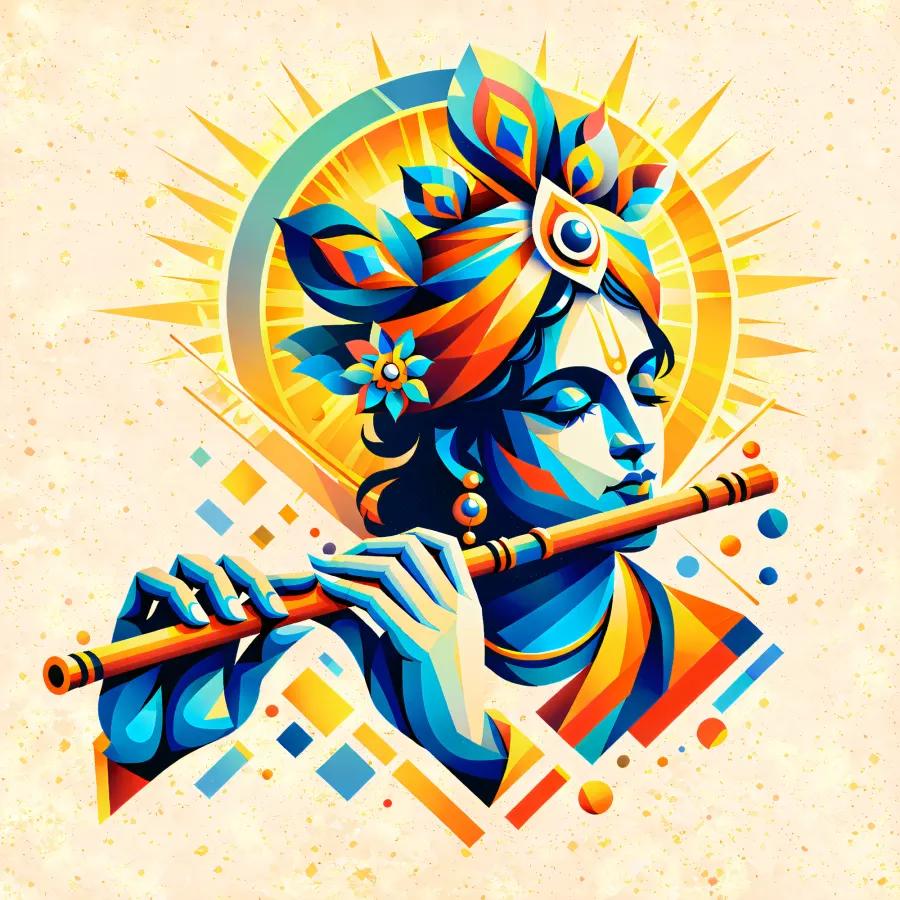
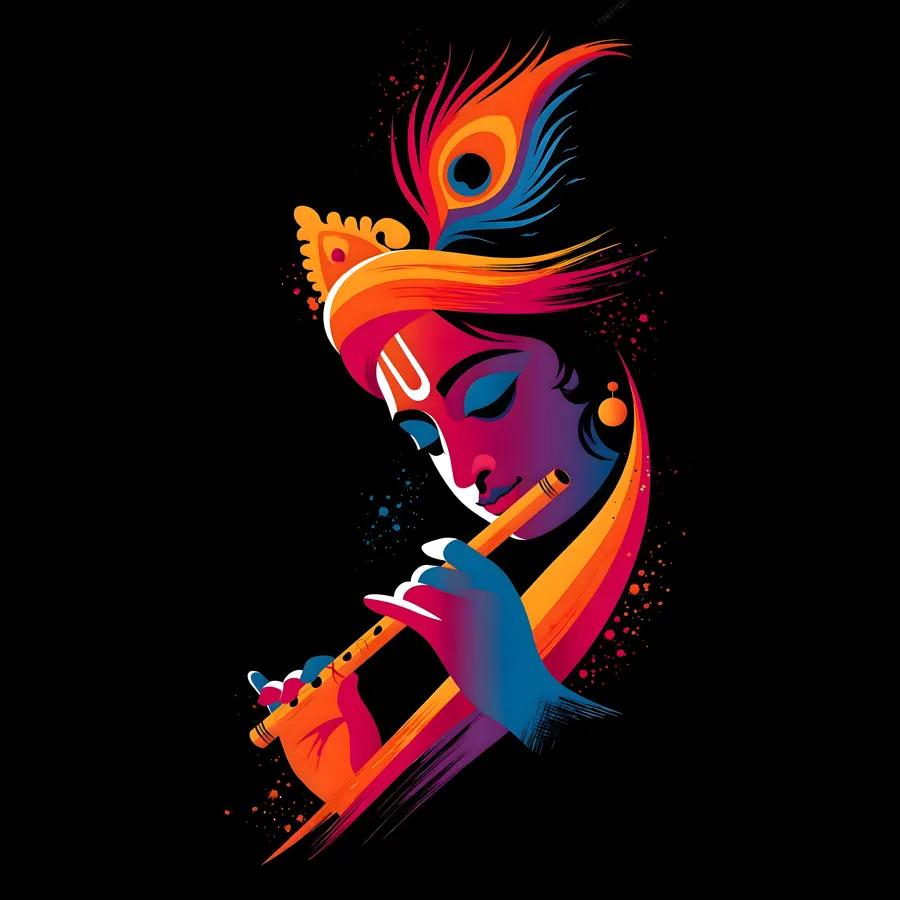
This is the real decision, and it is about the room rather than the faith. Traditional treatments — frontal, symmetrical, gold-heavy — carry authority and are what a puja space or shrine corner usually wants. Contemporary treatments abstract the same subject into line work, colour fields or a single profile, and sit in a living room without turning it into a prayer room.
Placing them
East-facing walls are the customary choice for devotional images, and the warm palette of most Hindu art genuinely does look better in morning light. Beyond that: keep the piece at or above eye level, which is a matter of respect as much as composition, and avoid hanging a deity directly facing a bathroom door or under a staircase if that convention matters in your household.
Pairs work particularly well here — Radha and Krishna, or two moments from one story — hung close enough to read as a single composition.
Read About Hinduism
- SubjectHow to Identify Hindu Deities in Art: A Short Visual GuideHindu art identifies a deity by what they hold and what stands beside them, not by their face. Learn six or seven attributes and almost any devotional painting becomes readable — including the very abstract modern ones.6 min read
- SubjectKrishna and Radha in Art: What the Flute, the Feather and the River MeanAlmost every depiction of Krishna keeps the same handful of details. Here is what the bansuri, the peacock feather, the lotus and the blue skin are actually saying — and how the meaning changes the moment Radha appears beside him.6 min read