Collection
Buddhism Wall Art
Buddha, zen landscapes and the visual language of stillness
6 pieces in this collection

About Buddhism Wall Art
Buddhist art is the most restrained devotional tradition on this site, and that restraint is doctrinal rather than stylistic. The imagery is meant to quieten the mind rather than impress it, so where Hindu art fills a frame with attendants, animals and incident, Buddhist work removes until only the essential is left. A face. A mountain. A deer at the edge of a clearing.
Three recurring subjects, and what each is for
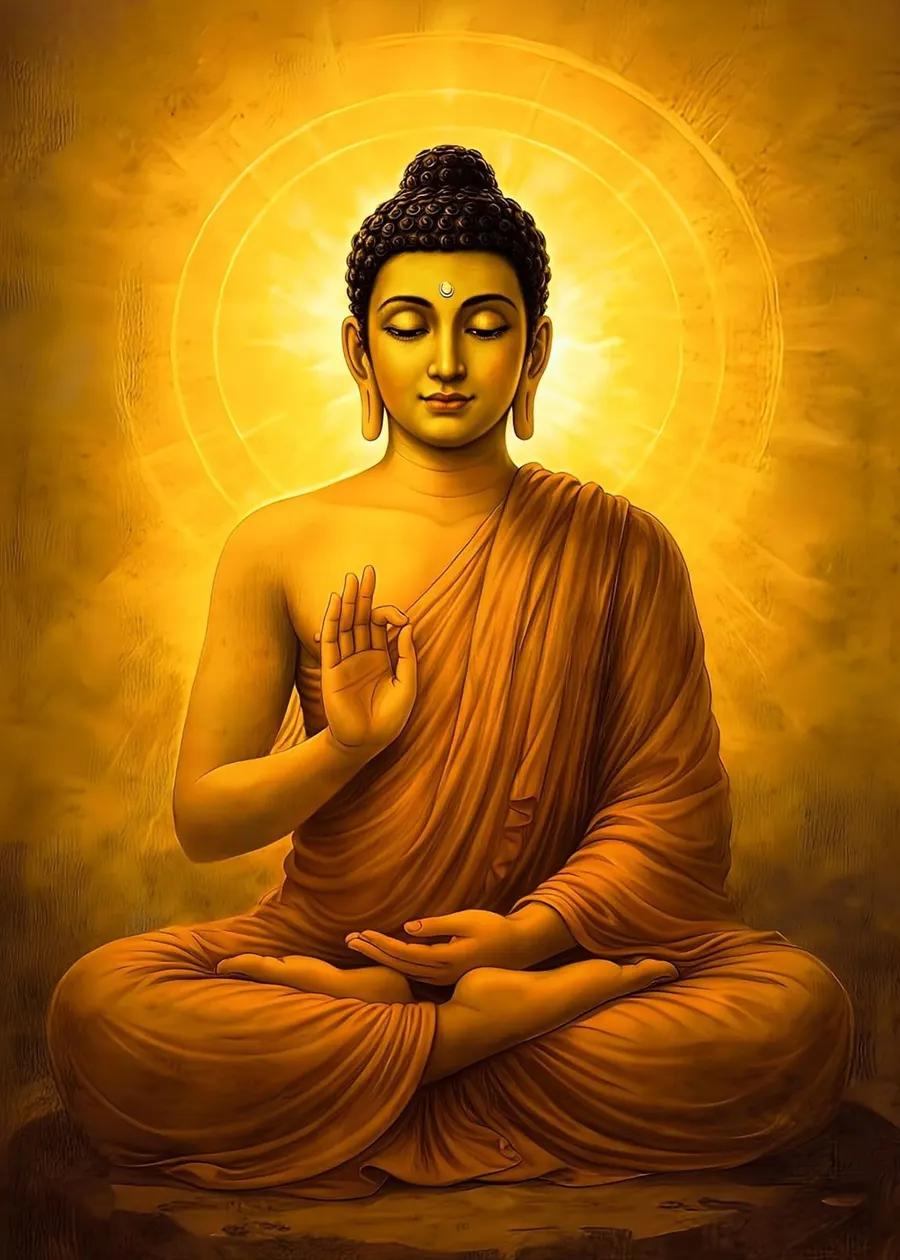
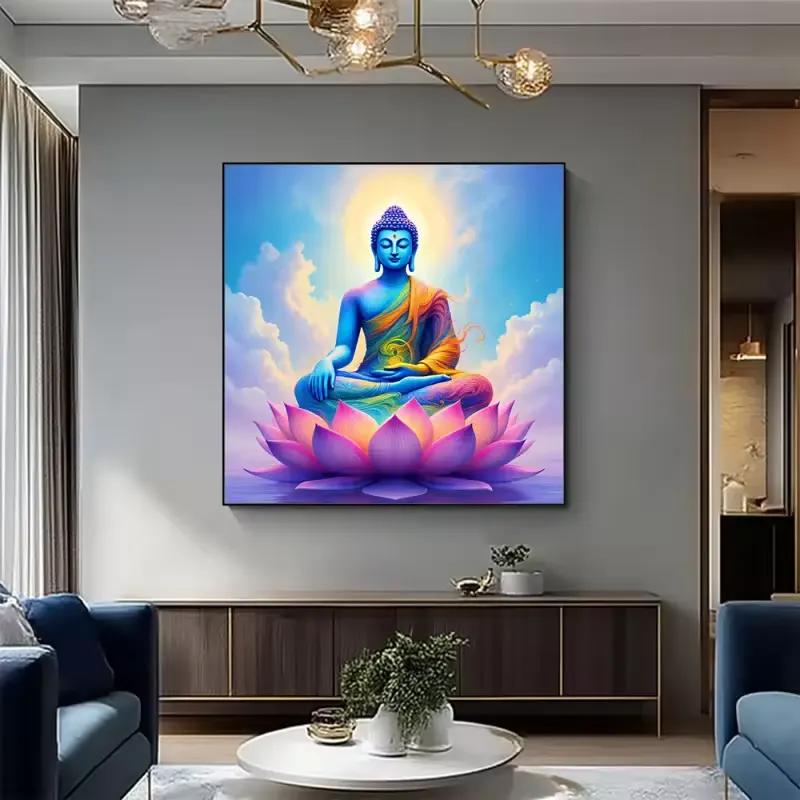
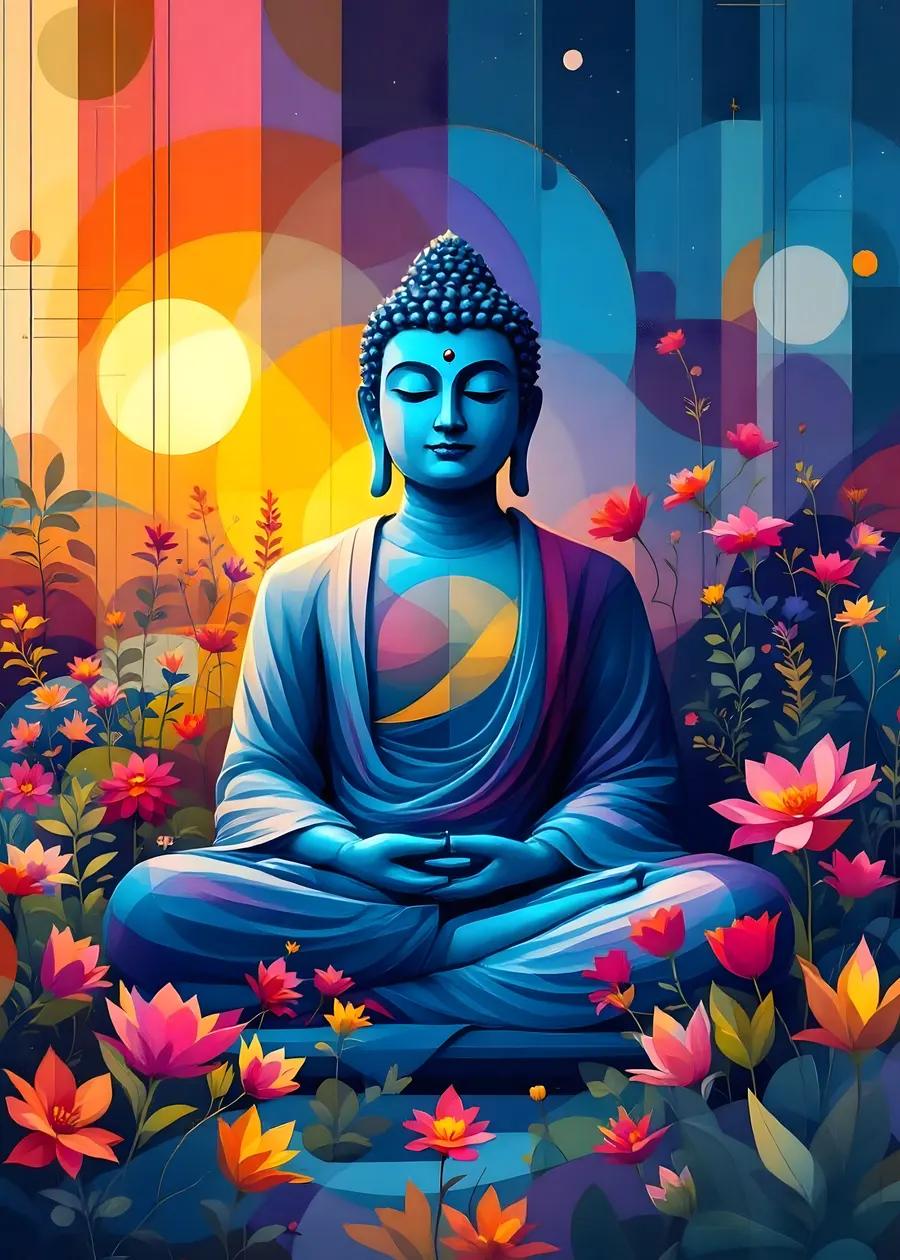
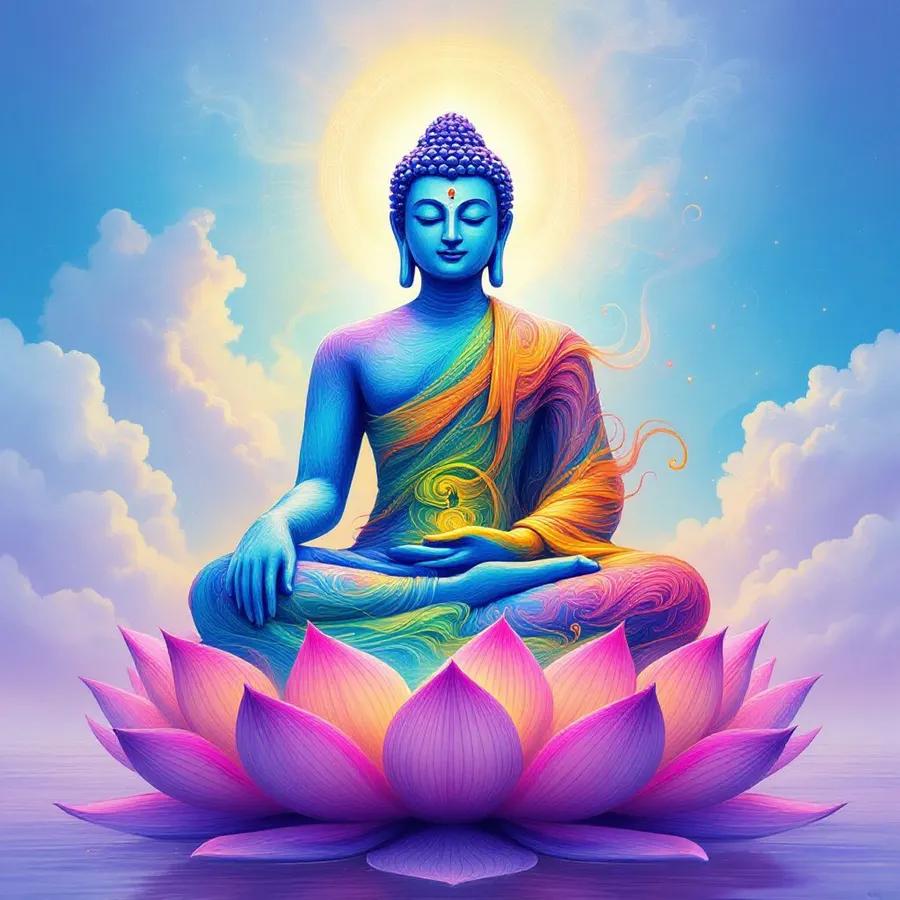
The Buddha image itself is the centre of the tradition — frontal, symmetrical, eyes closed, palette narrow. It is the piece you hang where you actually sit.
Zen landscapes work differently. A mountain with mist, a single tree, a deer rendered in gold leaf: the subject is a place rather than a person, and the emptiness in the composition is the point. These are easier to live with in a general living space than a Buddha is, because nothing in them is looking back at you.
Gilded animals — the deer especially — carry the tradition's association with gentleness and attentiveness, and they sit comfortably in a bedroom or a reading corner.
The palette, and why it is always similar
Sandstone, ash, amber, gold, deep green. Buddhist art rarely uses high-contrast colour, and a piece that does is usually a contemporary interpretation rather than a traditional one. The practical consequence is that these pieces coordinate with each other almost automatically — two or three from this collection on one wall will look considered without any effort to match them.
They also sit well beside natural materials: linen, raw timber, stone, unglazed ceramic. Against high gloss or chrome they lose something.
Building a meditation corner
If that is the intention, the useful advice is to under-fill it. One piece at eye level from a seated position — lower than you would normally hang art, because you will be on the floor or on a cushion — and nothing else on that wall. A single well-placed image does more for a practice space than three good ones competing.