Collection
Art Deco Prints
Symmetry, brass and the fan motif — the style that never fully left
9 pieces in this collection


About Art Deco Prints
Art Deco is the only decorative style on this site with a fixed birth date and a fixed argument. It arrived in the 1920s as a deliberate rejection of Art Nouveau's curling organic line, and it replaced that with symmetry, stepped forms, and materials that looked expensive on purpose: brass, lacquer, black marble, chrome.
The motifs, and why they recur
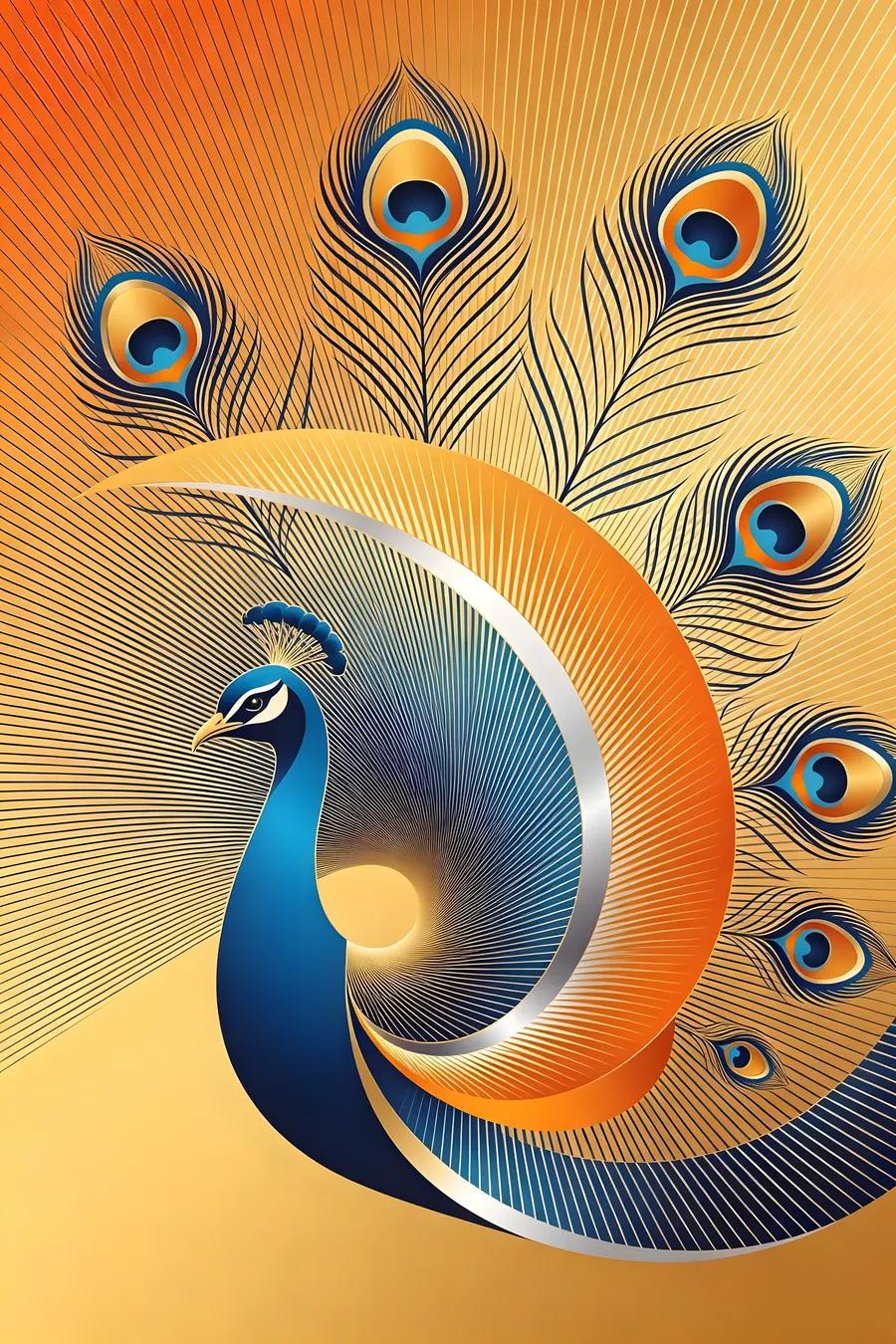
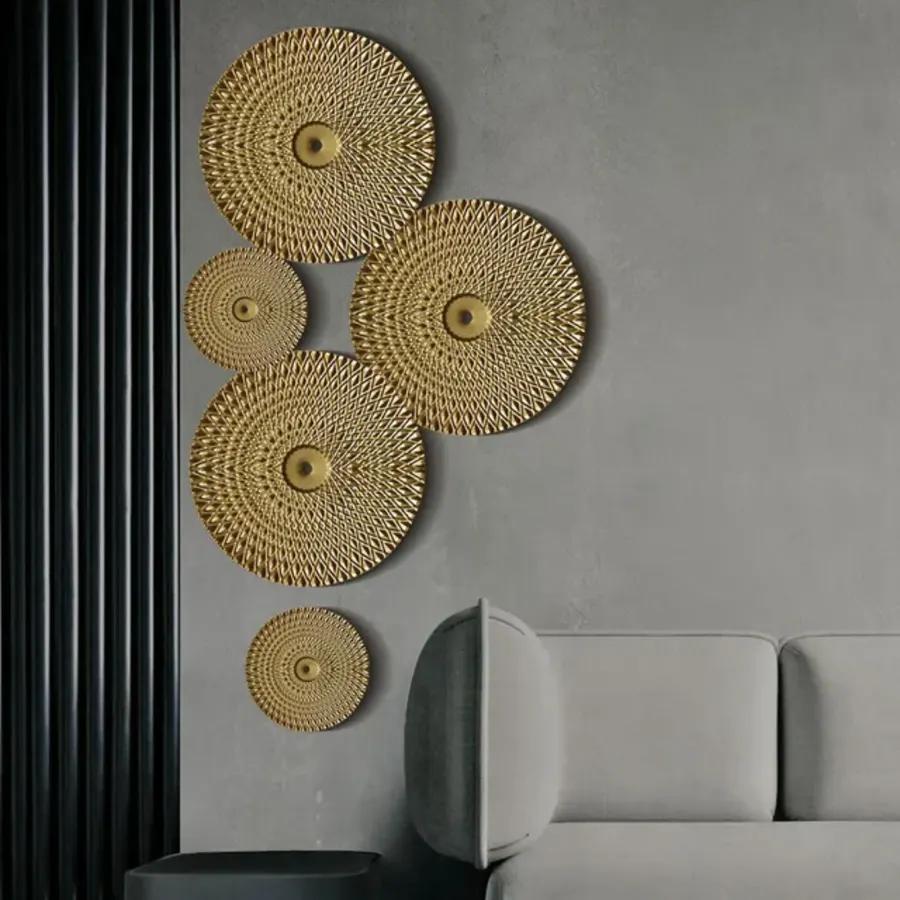
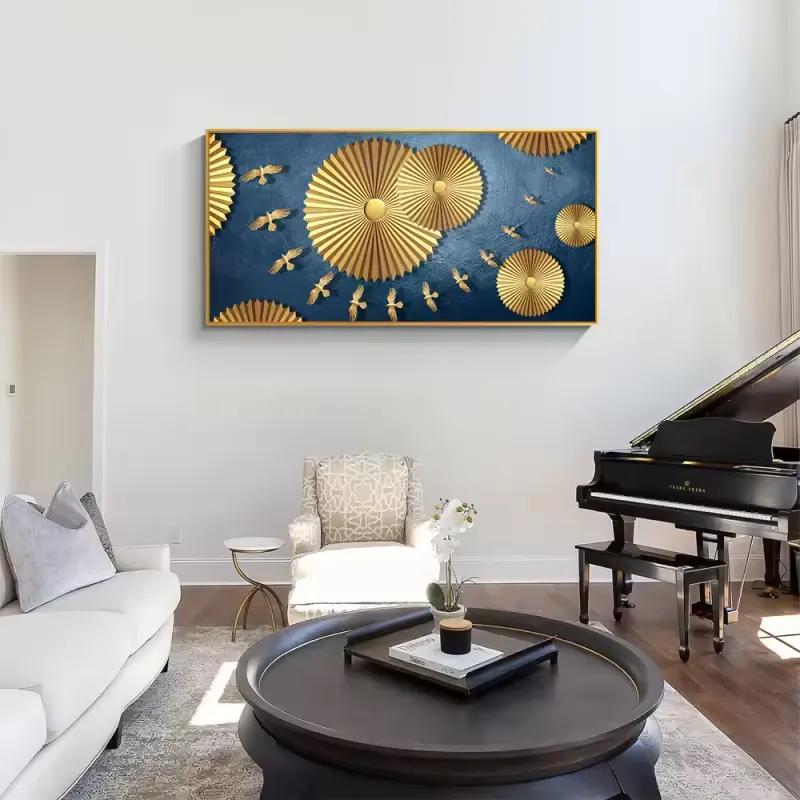
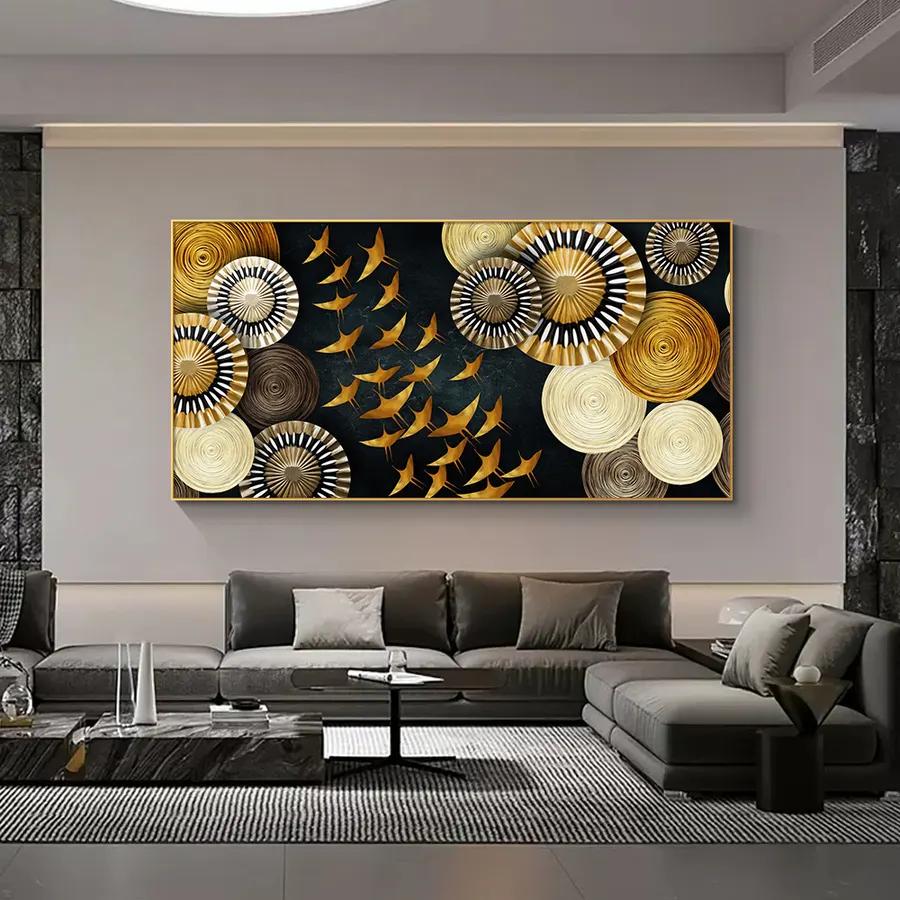
The fan is the signature — a quarter-circle of radiating lines, repeated until it becomes a border or a whole composition. The sunburst is its cousin. Stepped or ziggurat forms come from the same period's architecture, which is why Deco art and Deco buildings look like each other.
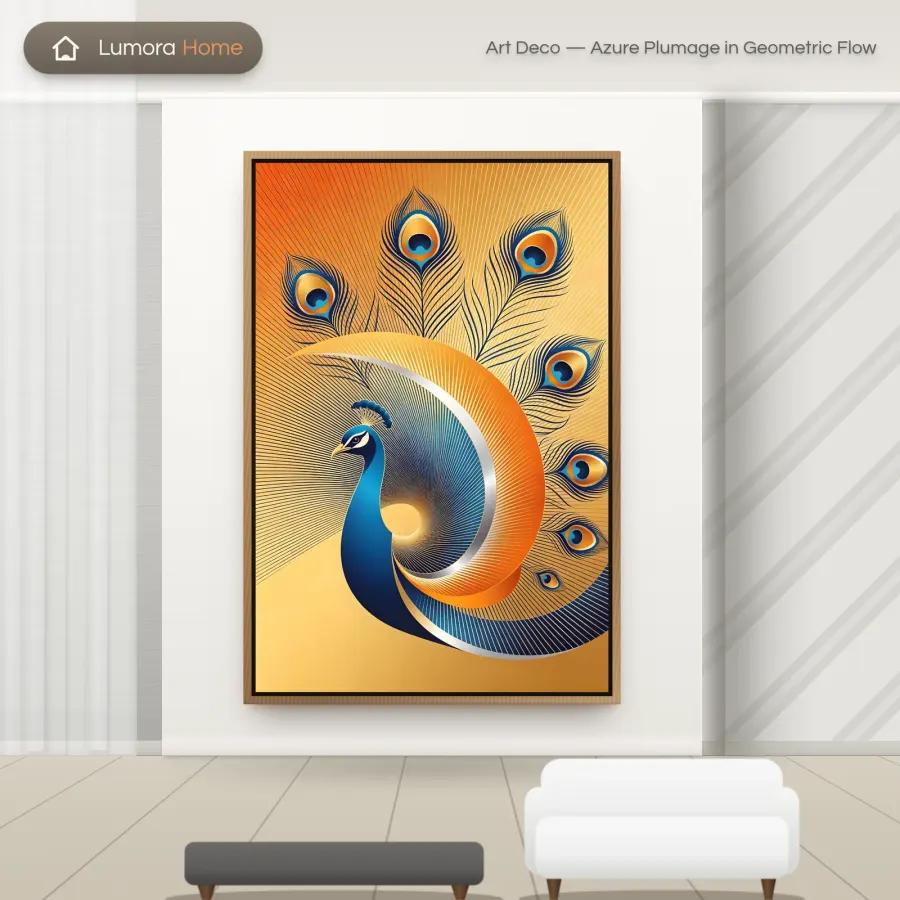
Birds appear constantly, and peacocks most of all, because a peacock is naturally symmetrical and naturally patterned — exactly what the style was looking for. A Deco peacock is a different animal from a naturalistic one: the tail becomes geometry, the bird becomes a motif.
Why it works in modern rooms
Because it was never really about nostalgia. Deco is geometry with warmth — the hard edges are softened by metallic colour and the symmetry reads as calm rather than austere — and that combination sits comfortably with contemporary furniture in a way genuinely period styles often do not.
It is also unusually good at rescuing a room with too much beige. A single Deco piece with brass and black in it will give a neutral scheme a spine.
Placing them
Symmetry demands symmetrical placement. A Deco medallion or fan piece hung off-centre fights itself, so centre it on the furniture below or between the windows either side.
Pairs are the natural arrangement, and the style effectively invites them: two matching or mirrored pieces flanking a mirror or a fireplace is the most Deco thing you can do with a wall.
What to pair it with
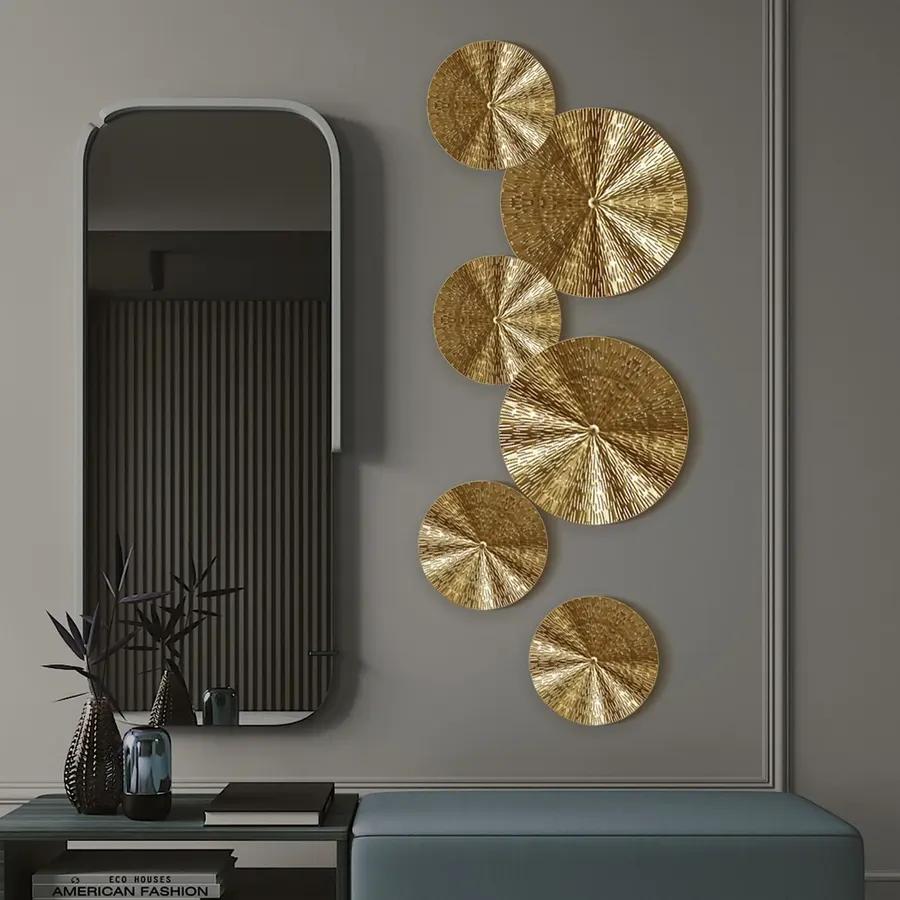
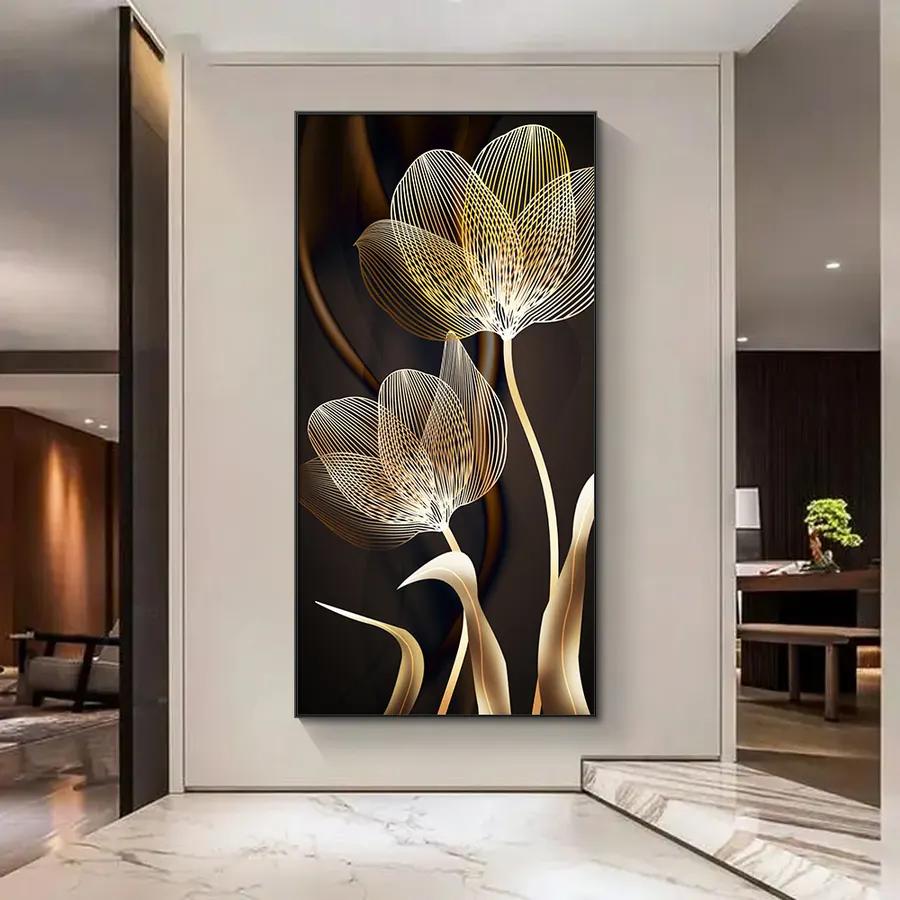
Brass or gold-toned frames, or none. Anything with a metallic accent already in the room — a lamp base, a handle, a tray. And it sits well beside monochrome photography, where the shared graphic sensibility does the work.