Collection
Architecture Wall Art
Bridges, opera houses, pagodas and towers
14 pieces in this collection


About Architecture Wall Art
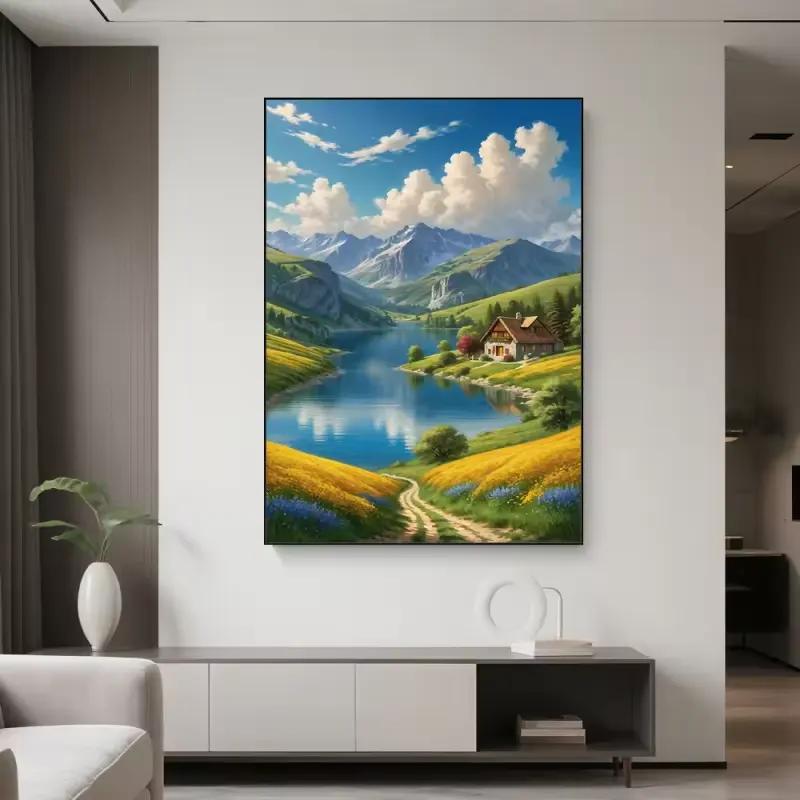
Architectural subjects are landscapes with a spine. A pure vista has no obvious focal point, so the eye wanders; put a bridge, a tower or a roofline in it and the whole composition organises itself around that one built object. Practically, that means an architecture piece can be hung narrower and smaller than a landscape and still hold a wall.
Why people actually buy them
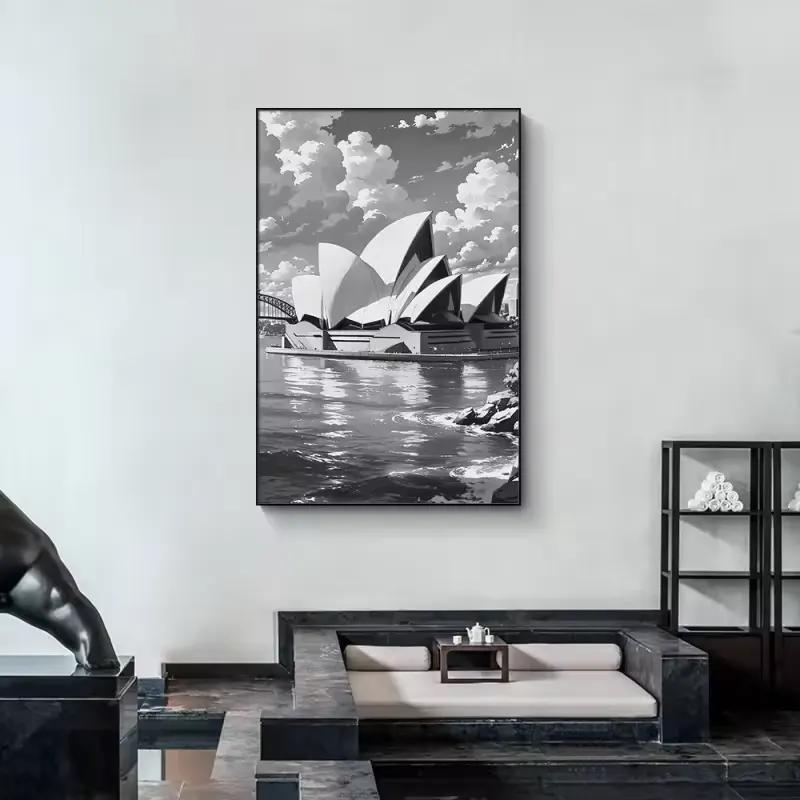
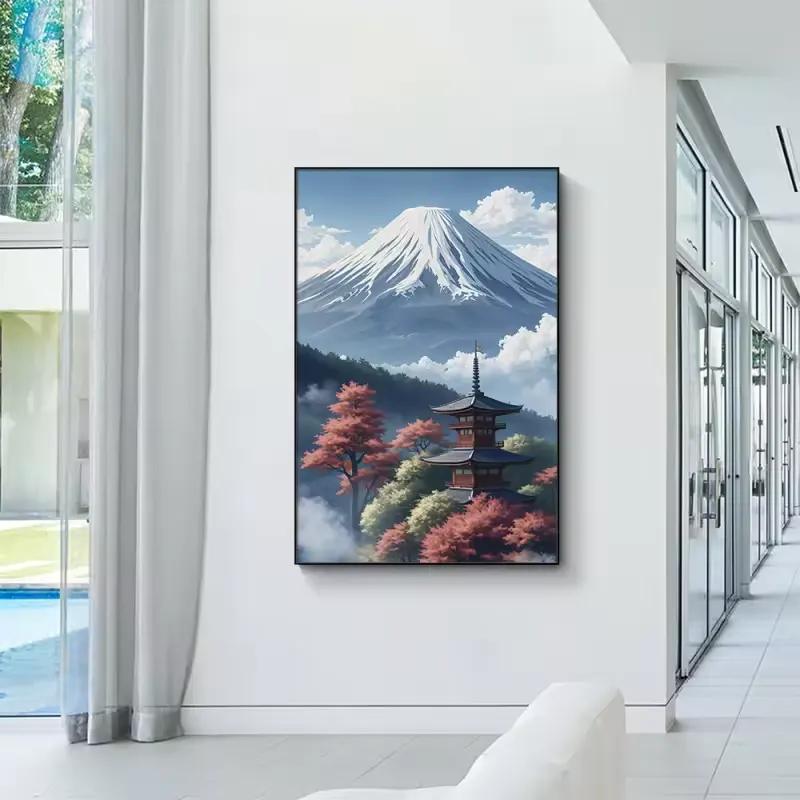
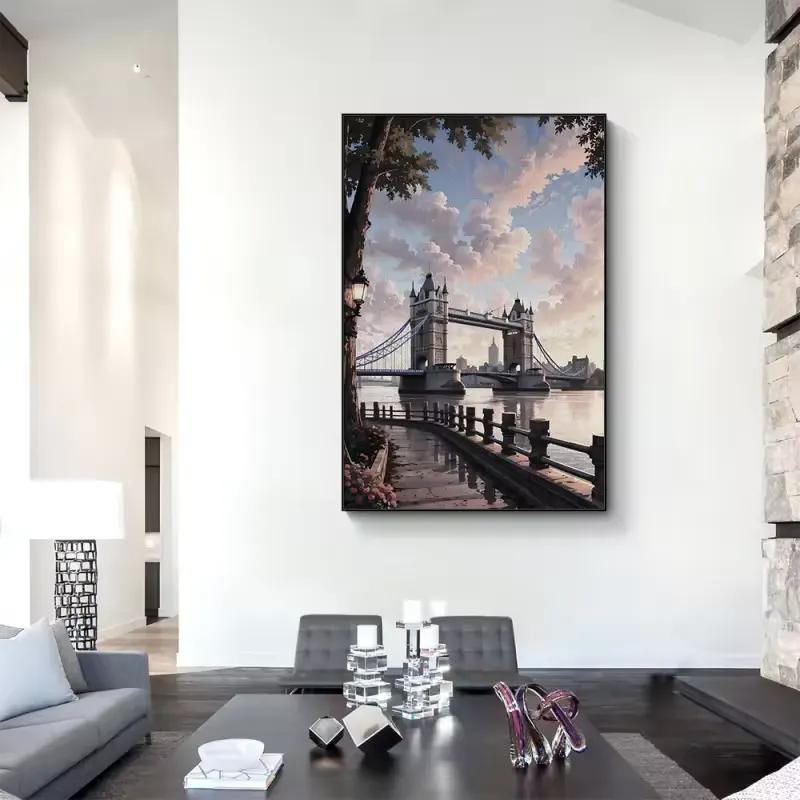
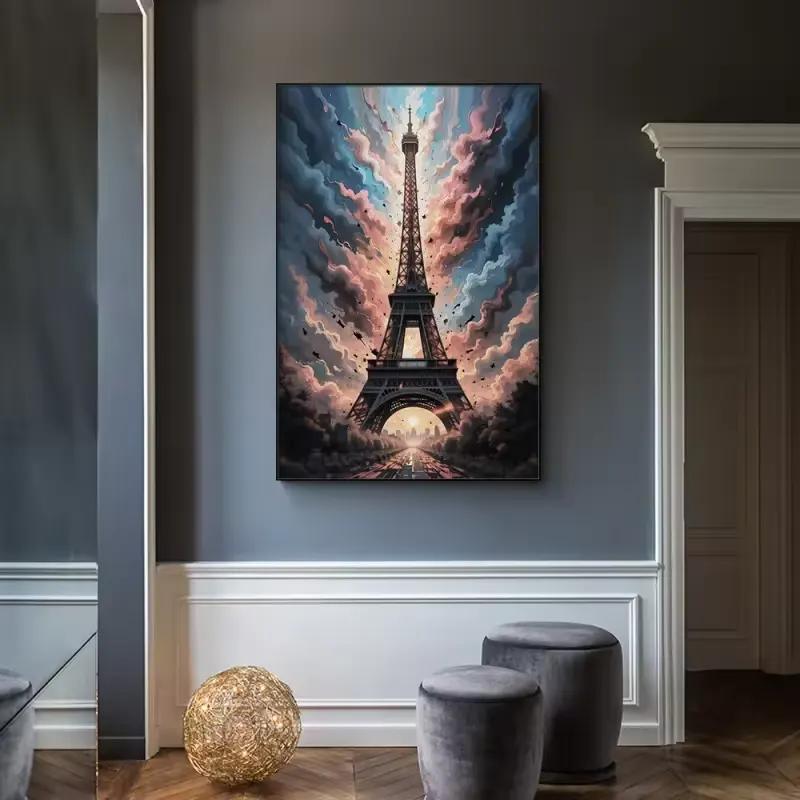
Almost always place-memory. A Sydney Opera House print is bought by somebody with a reason, and the same is true of Tower Bridge, the Eiffel Tower and Mount Fuji's pagoda. That changes how these should be treated: a piece bought because you lived somewhere wants to be hung where you will see it daily, not saved for a formal room.
It also means the treatment matters less than the recognisability. A heavily stylised landmark still does the job as long as the silhouette survives.
The two registers here
Monochrome and graphic treatments — the Opera House in black and white, sails reduced to shape — read as design. They suit modern interiors and they pair with each other across cities: three monochrome landmarks in a row is a coherent wall even though the places are unrelated.
Atmospheric treatments — the Eiffel Tower under storm light, a bridge at dawn — read as painting. These want to be alone or with landscapes rather than with other landmarks.
Placing them
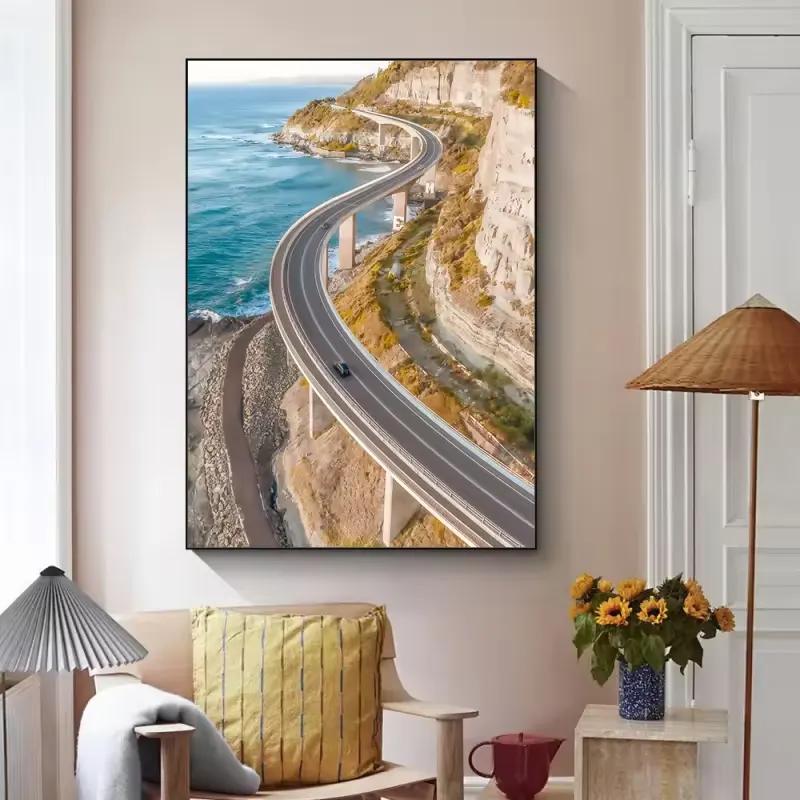
Verticals for towers, horizontals for bridges, and that is not a joke: it is the most common mistake in this subject. A tower squeezed into a wide frame wastes the wall, and a bridge in a tall one crops the span that made it worth drawing.
Hallways and stairwells work well, because these are pieces you recognise at a glance and do not need to study.
Grouping by treatment, not by place
Cities from opposite ends of the world hang together happily if the palette and handling match. Two treatments of the same city in different styles almost never do.