Collection
Abstract Wall Art
Lattices, grids, arcs and colour fields — form without subject
37 pieces in this collection








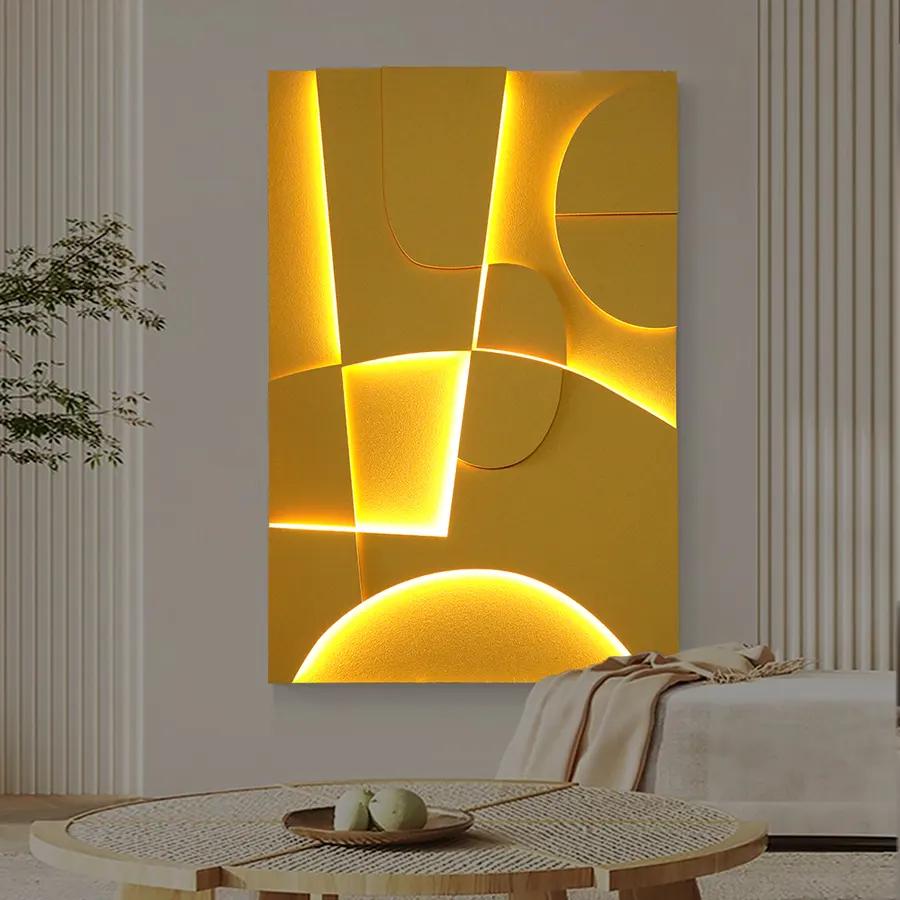
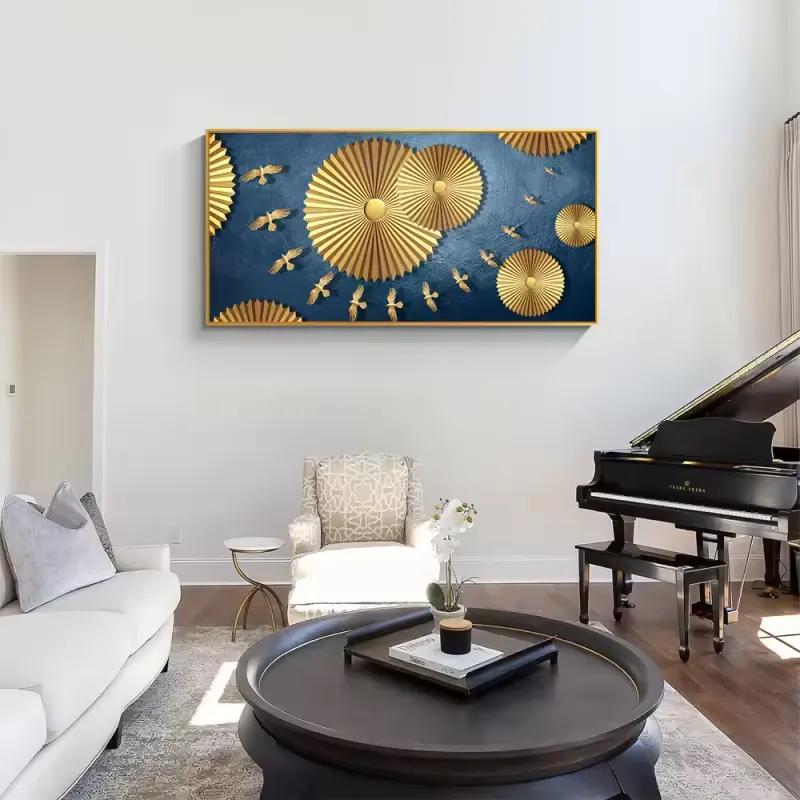
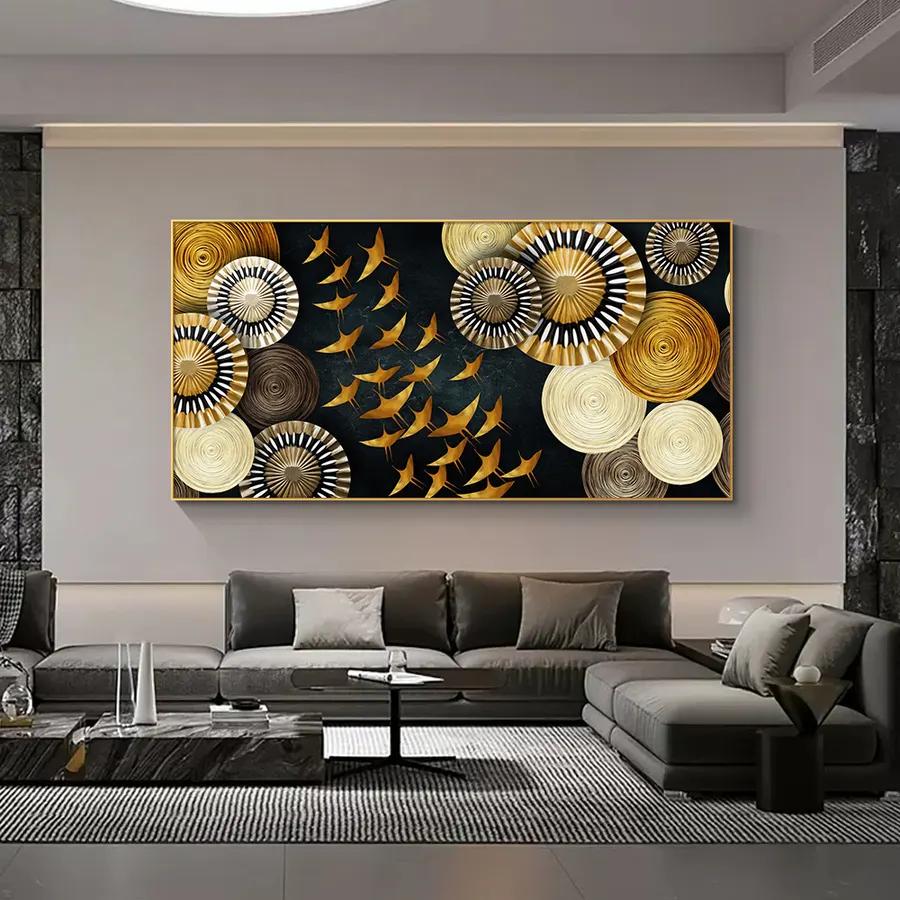
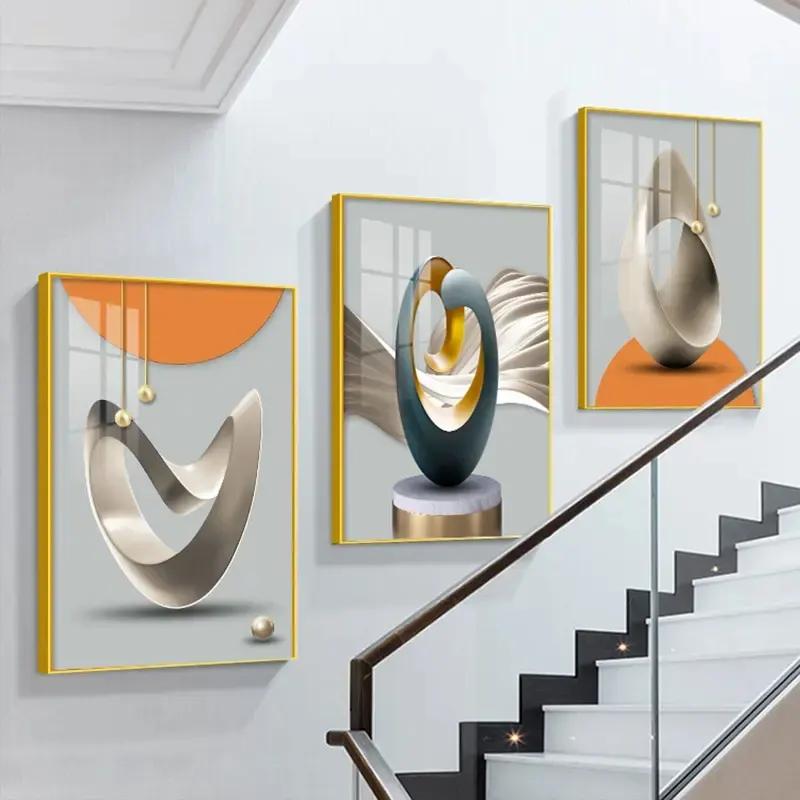
About Abstract Wall Art
Abstract work is what you hang when the room does not need another thing to look at. There is no subject to consider, no story competing with the furniture and nothing that dates the way a figurative piece can. What is left is composition, colour and scale — and because those are exactly the three things a room is already made of, an abstract piece integrates rather than announces.
What is actually in this collection
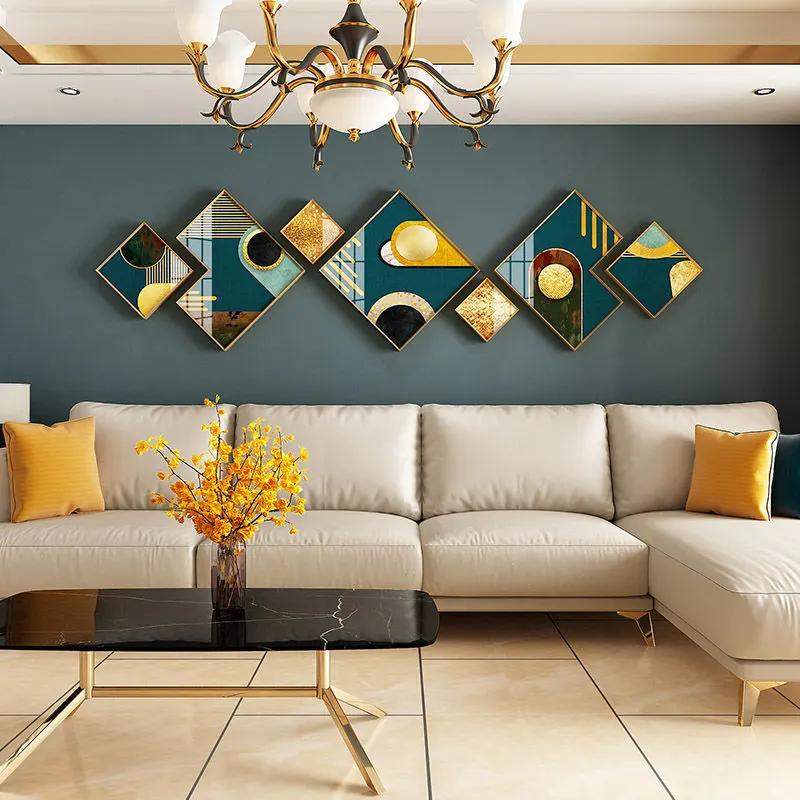
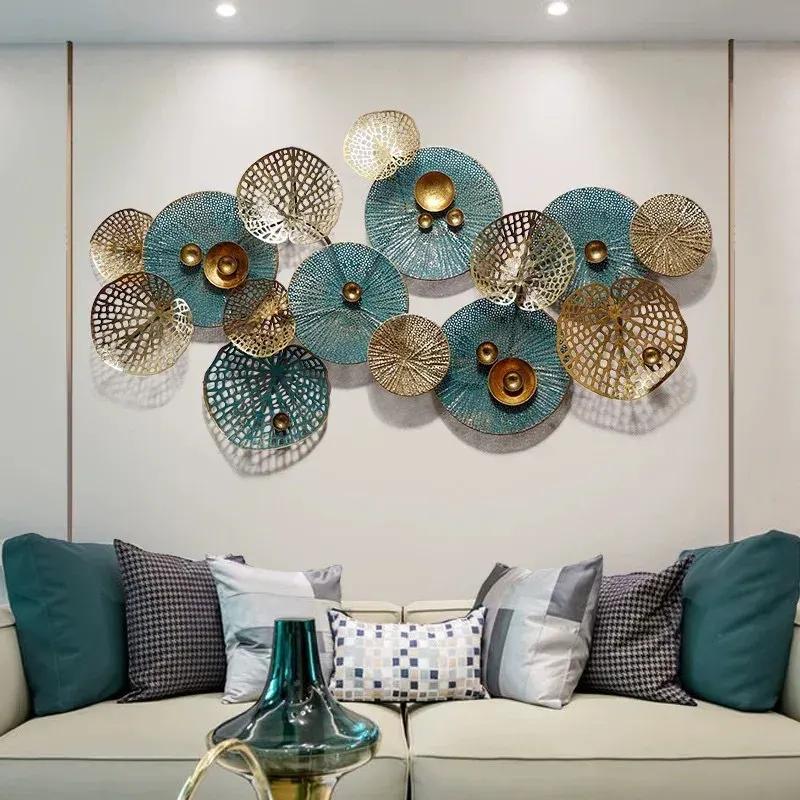
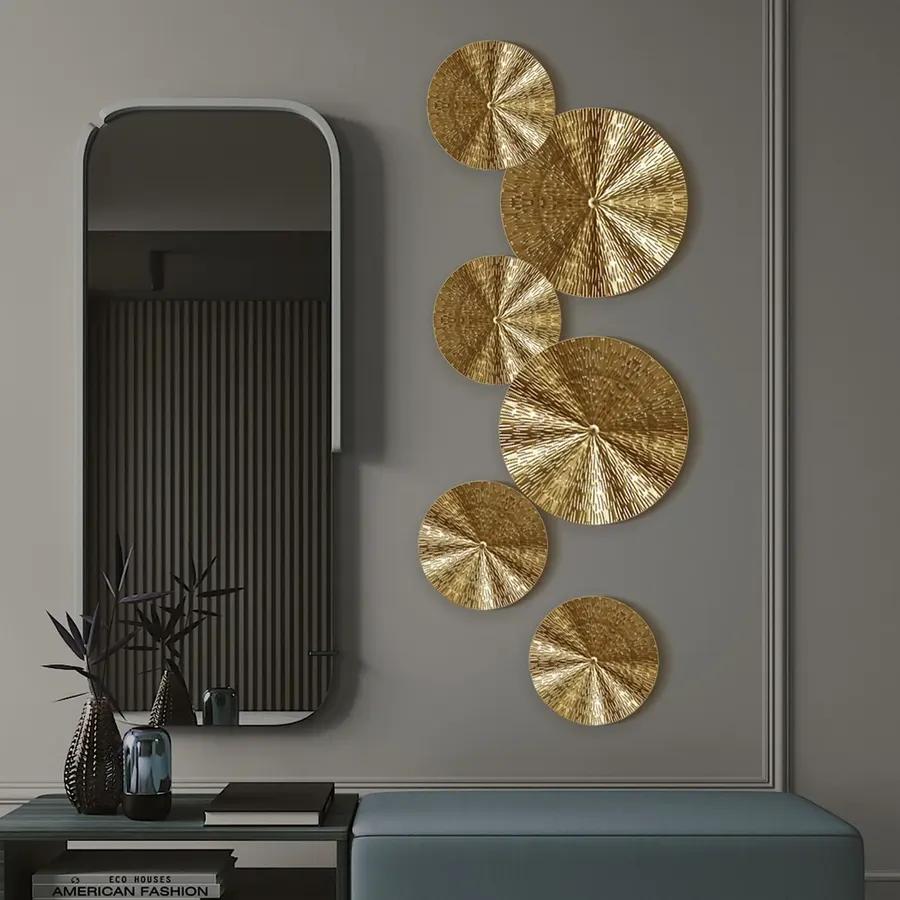
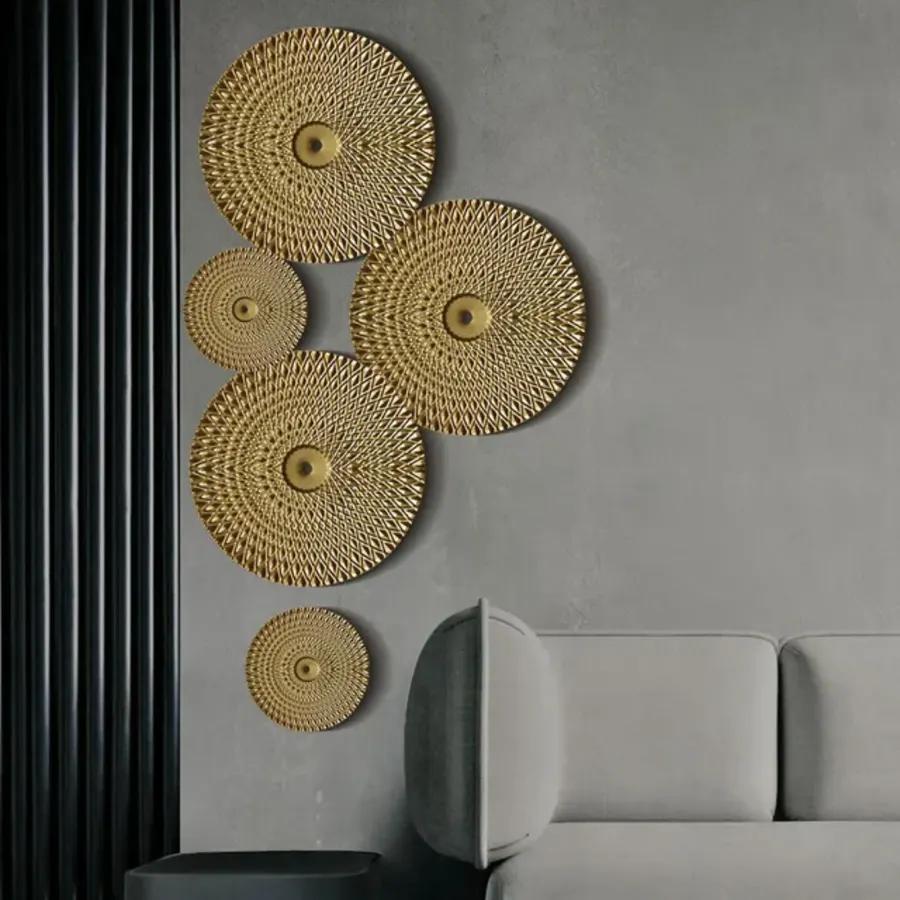
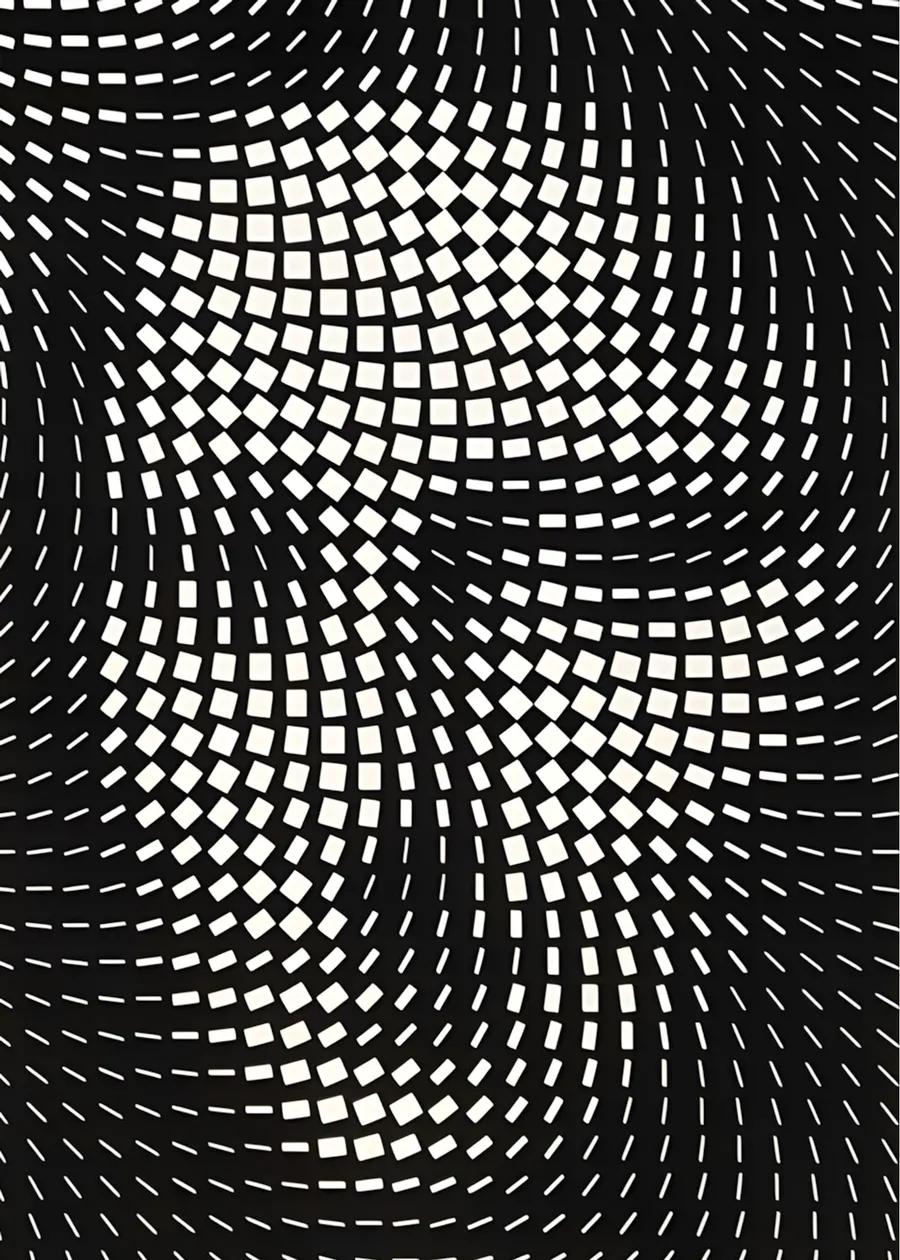
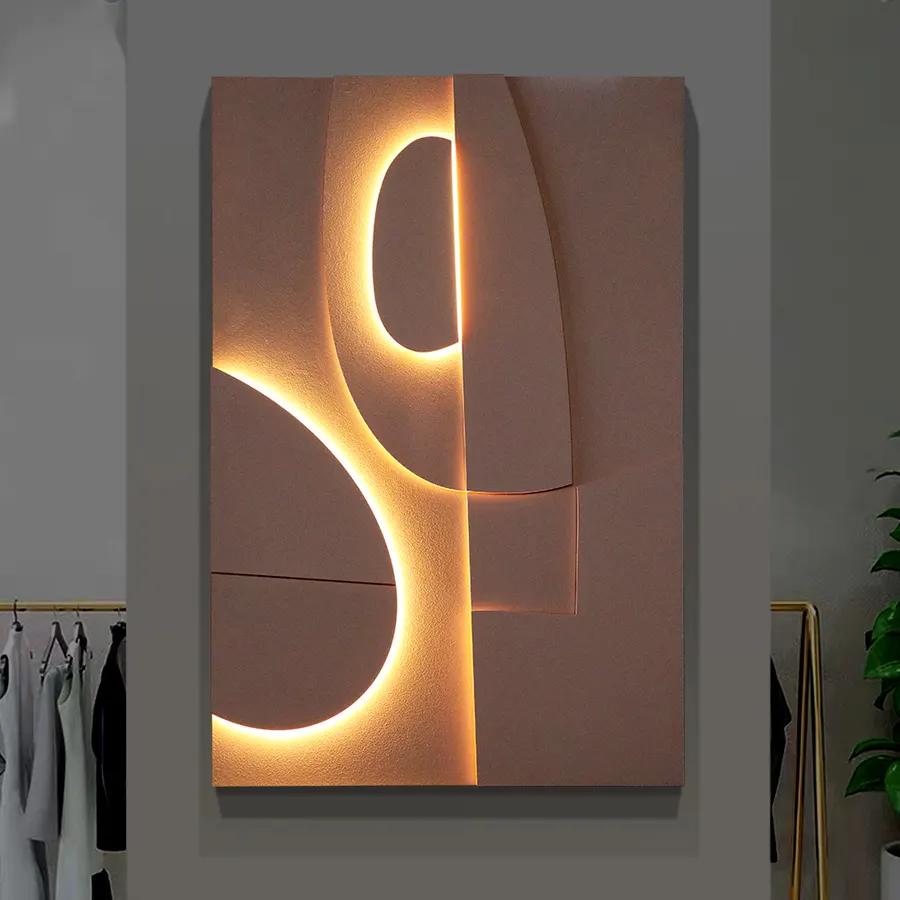
Less randomness than the word "abstract" suggests. Most of these are built on repetition: lattices and medallions that repeat a single form until it becomes a texture, grids that distort as they travel across the frame, arcs and strata layered like sediment. There are colour-field pieces where the whole event is two or three tones meeting, and there are hard-edged geometric works that are effectively architecture drawings with no building attached.
That structure is why they work as pairs and sets so readily. Two lattice pieces side by side read as one deliberate wall; two landscapes side by side read as two windows onto different places.
Choosing by what the room lacks
This is the useful way to shop abstraction. A room that is visually busy — patterned rug, gallery shelf, a lot of objects — wants a calm, low-contrast piece with a single dominant tone, and the minimal and monochrome end of this collection is for exactly that.
A room that is flat and quiet needs the opposite: high contrast, strong geometry, a piece that creates an event where there was none. The kinetic grids and the sharper ochre-and-black work do that.
Scale is the whole game
Abstraction has no inherent size — nothing in the image tells you how big it should be, so it is the subject most often bought too small. Err generous. A large abstract on a big wall reads as intentional; the same image at a third the size reads as a placeholder for something that has not arrived yet.
Two or three in a measured grid is the other reliable move, and it is more forgiving than a single piece: a set has its own internal logic, so it does not depend on precisely matching the wall.